500 Sails shares in celebration of Commonwealth Cultural Day
Editor’s note: This story was a collaboration between The Marianas Press and The Triton’s Call, the University of Guam’s student newspaper. For more from The Triton’s Call, please visit https://tritonscall.substack.com/ or follow @tritonscalluog on Instagram.
500 Sails, a local nonprofit organization, celebrated Commonwealth Cultural Day at the Crowne Plaza Resort Saipan on Monday, Oct. 12. With activities ranging from canoe rides to weaving classes, visitors and residents were able to learn about the culture and history of the Mariana Islands.
Commonwealth Cultural Day was established in 2006 under Public Law 15-4, which renamed holidays including Columbus Day to better reflect the history of the CNMI. The public holiday is now a yearly celebration.
Founded in 2014, 500 Sails’ mission is to revive, promote, and perpetuate the cultural traditions of the Marianas through community events. With a focus in maritime activities such as seafaring and circumnavigation, the team was able to share some of the rich Pacific heritage connected to the ocean.
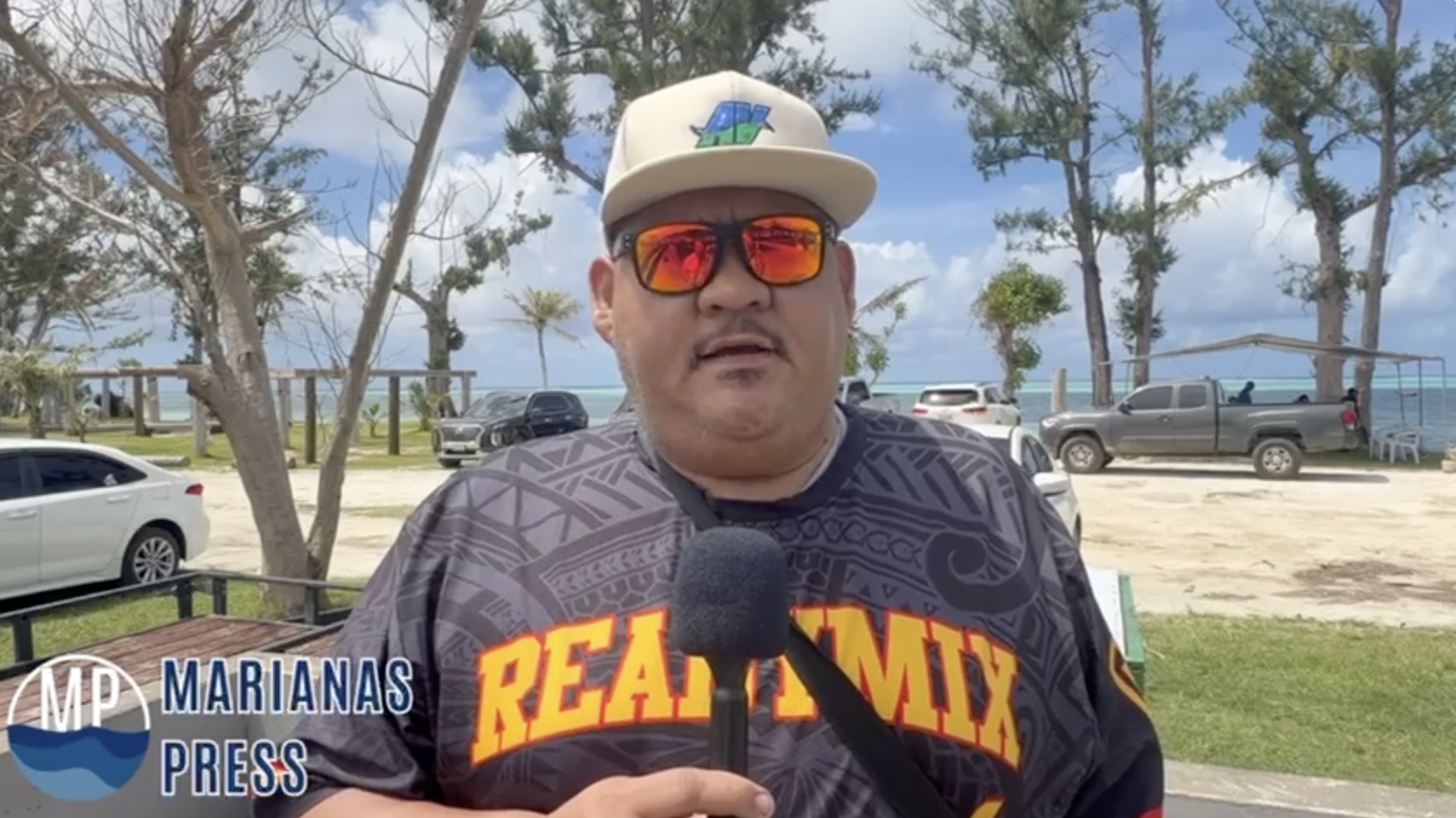
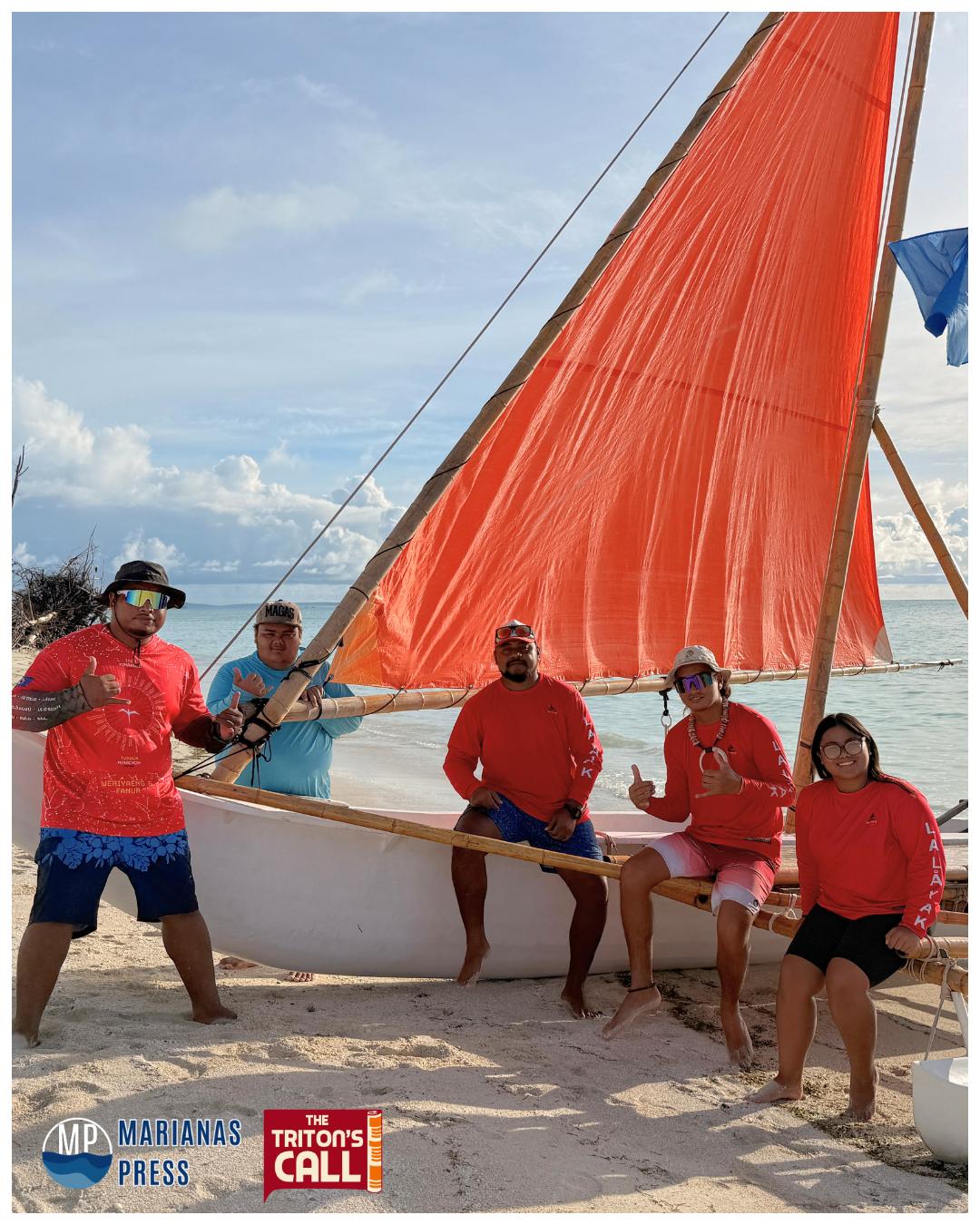
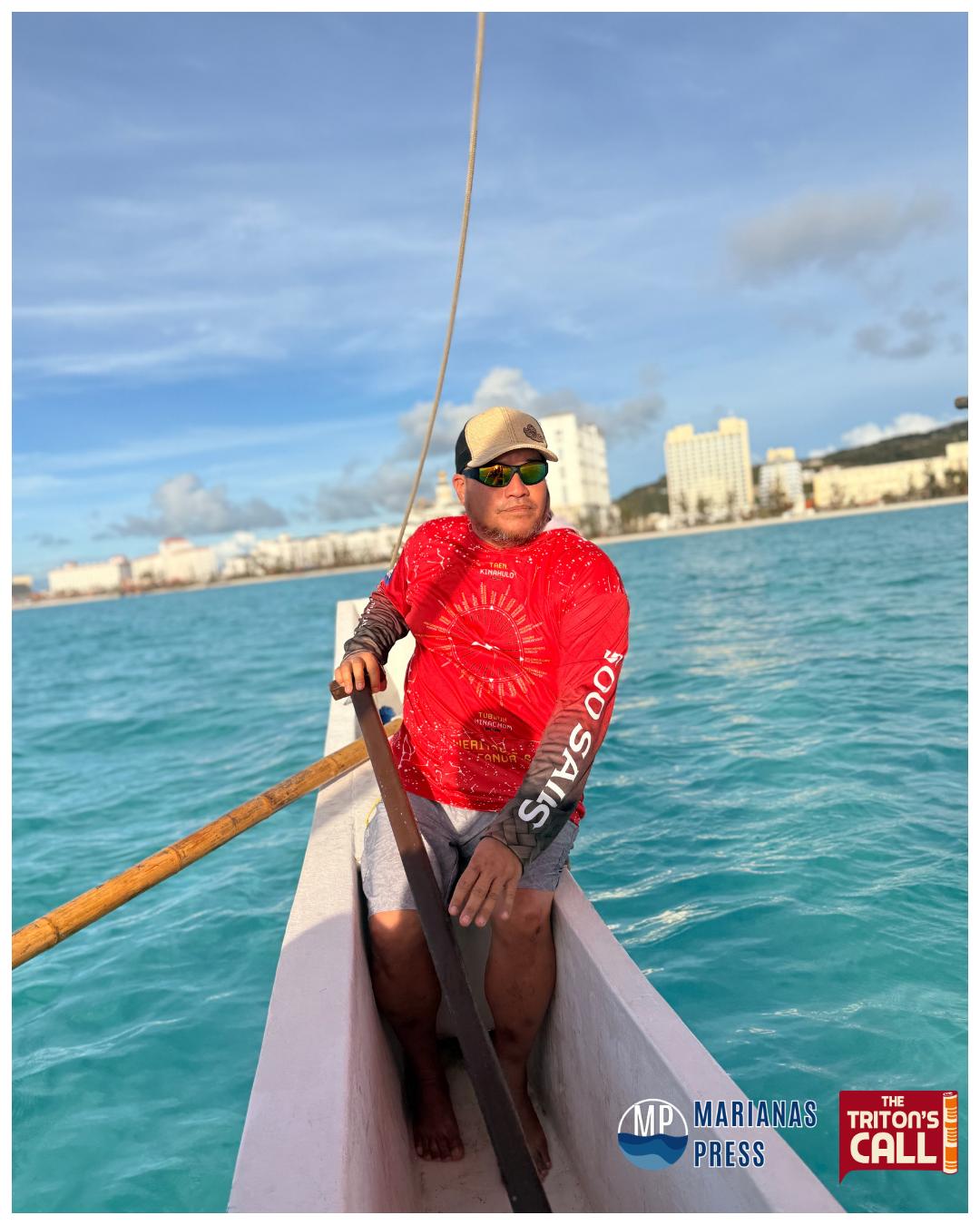
During a canoe ride with executive director Jun Coleman and sailor Rocky Wishim, they shared a story on the beauty of seafaring.
“George Anson actually wrote the longest run-on sentence I've ever seen. … To paraphrase, he said something along the lines that it should be recorded amongst any modern civilization where arts and sciences eminently flourish. That's how impressed he was. It became known as the flying proa,” Coleman said.
George Anson was an English Royal Navy officer known for his account, Voyage Round the World, in which he documented his experience circumnavigating the globe.
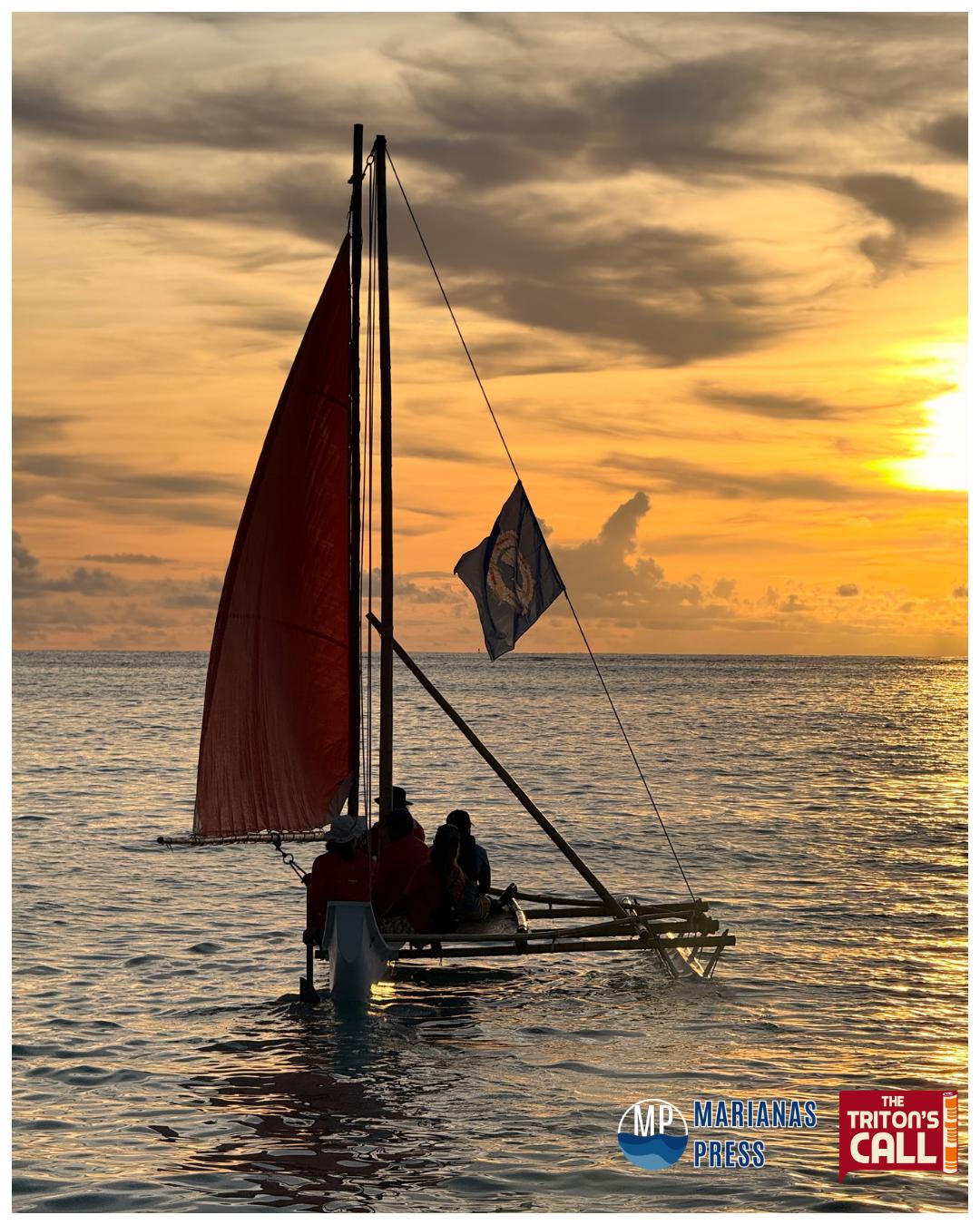
Coleman explained that it’s believed the praised shape of the canoe was inspired by seabirds.
“When the winds pick up, the canoe's speed picks up. … The ends of the canoe that curve up symbolize the neck of the bird and the sail is like a giant wing,” Coleman said.
The organization's name originated from a Spanish account.
“In fact, the name 500 Sails came from an account that came out of Guam. A Spanish galleon flew up to one part of the island. …There were over 500 canoes by the end of the day that surrounded the ship,” he said.
The organization’s goal is to restore the art of traditional seafaring and canoe-carving so that the sight of 500 canoes sailing in the waters of Marianas might be seen again.
“Right now, we have about 488 more to go,” shared Coleman.
In honor of Monday’s celebration, extra activities were also offered inside the hotel.
Lianalynn Muña, a program assistant and sailor, shared about her weaving and knot-tying activity.
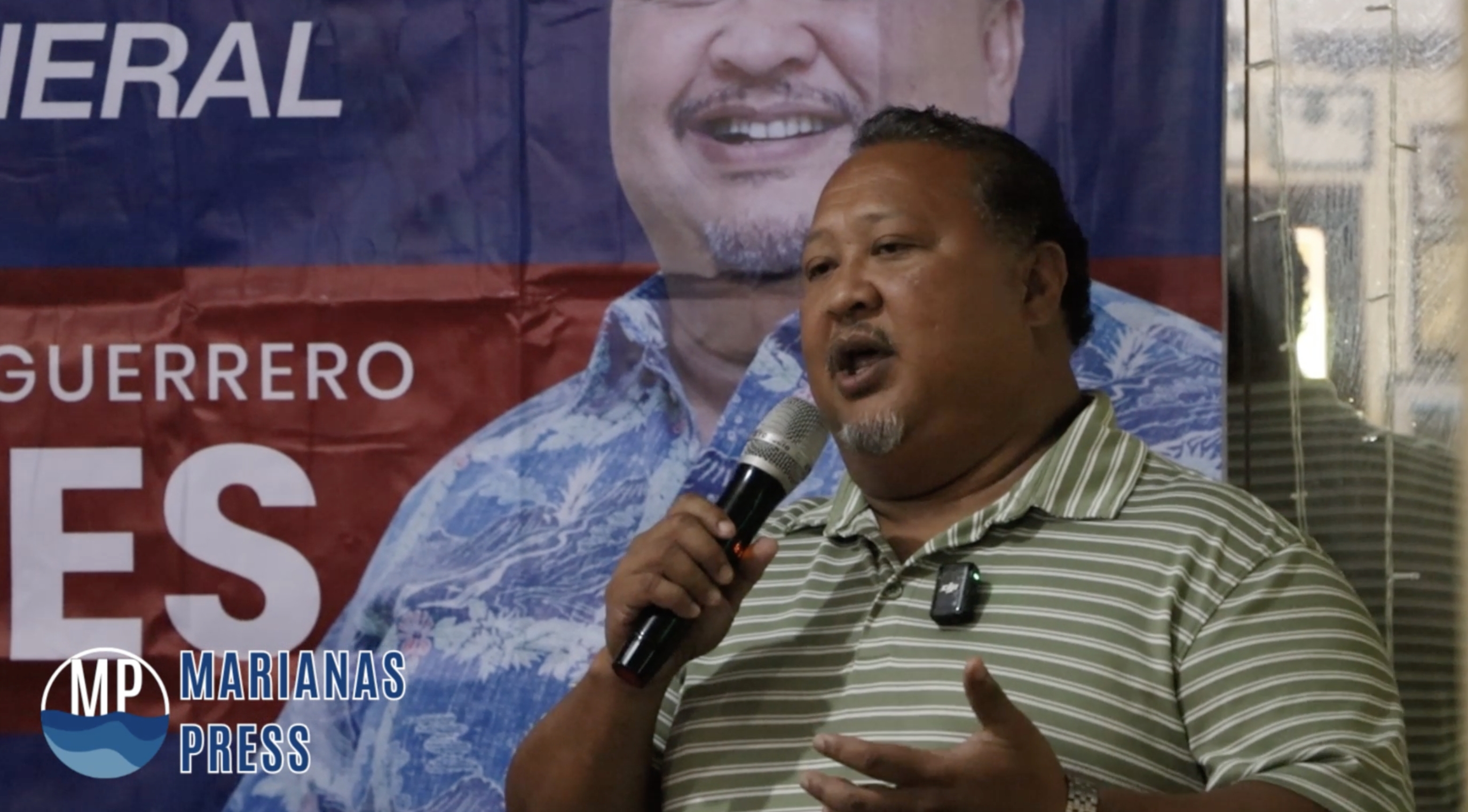
“[Along] with the normal program that we have, which is the sailing program, we decided to offer small activities like weaving, and also knot-tying to the community to let them learn how to weave … and also generally learning about the canoe history and culture,” said Muña.“We're teaching people how to learn the knots that we use on the canoe, to also show them that we use this on the canoes, and then you can also use it in your daily lives.”
The skills taught go beyond what is seen.
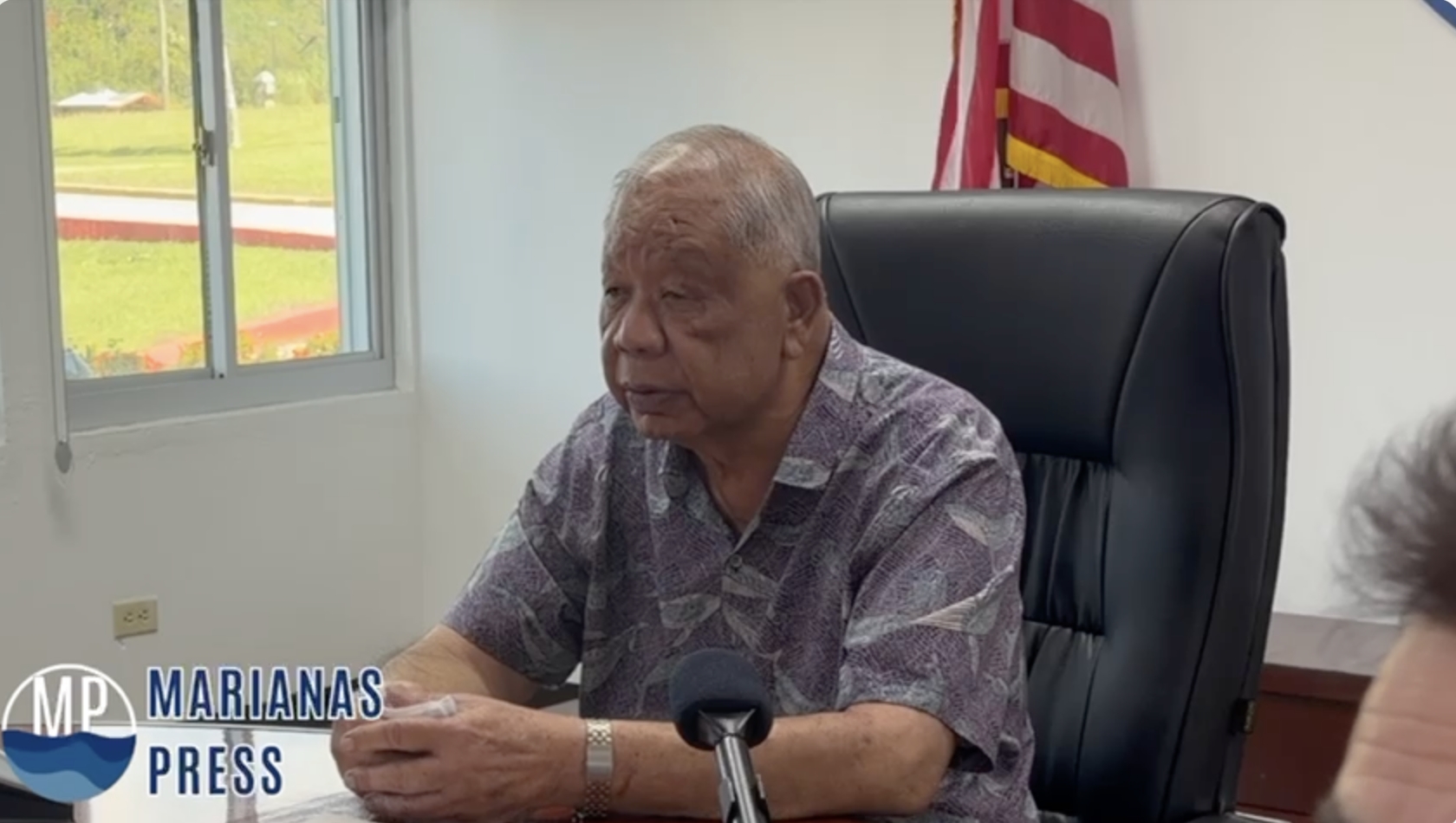
When asked about how the title of “master navigator” is given, Coleman explained that it’s more than just skill and acknowledgement.
“But it really comes down to responsibility, safety and life of everybody on board, and a lot of moral and ethical values to keep the tradition alive and to conduct yourself in a way that's good," explained Coleman.
There’s value instilled in the practices.
The Commonwealth Cultural Day event was more than just a celebration, but a beautiful tribute to the continued effort of preserving, passing down, and taking pride in the culture of the Mariana Islands.
“We got to keep it going because it's connected to all modern industries as well, whether it's education, tourism, business. There's a lot of connections with canoe culture. And that's why 500 Sails is here, to integrate that into all aspects of our community. Not to make everyone sailors or navigators, but at least they have the sense of pride in who we are as a people and continue that stewardship of our island,” Coleman said.
Share this article: