Accessible Capital and Disaster Relief for Local Producers
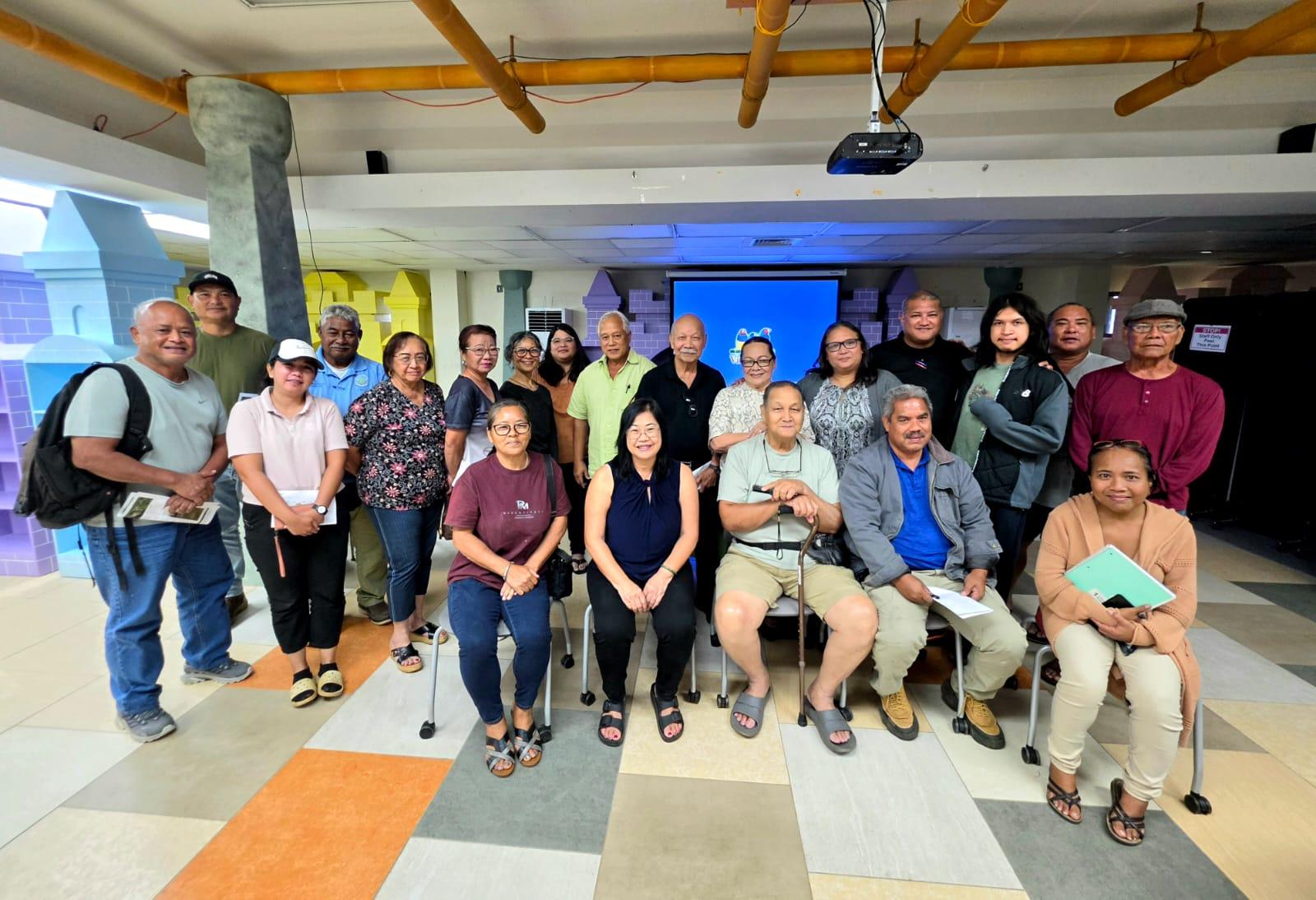
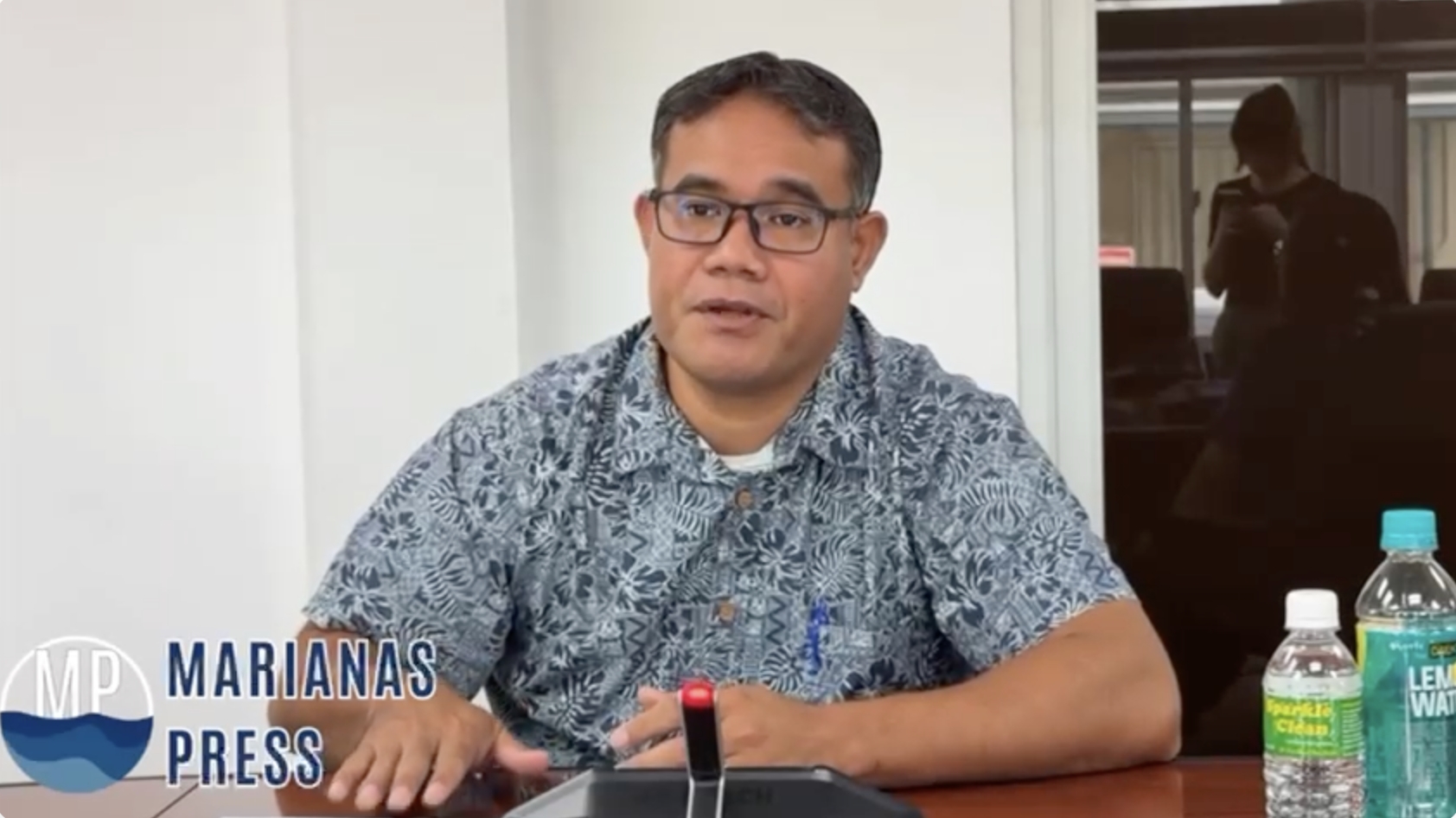
On August 19, local producers gathered at the Joeten-Kiyu Public Library (JKPL) for a community outreach event hosted by the USDA Farm Service Agency (FSA). Rather than opening with dense bureaucratic jargon, Farm Loan Officer Dori Rivera invited attendees to take a collective deep breath before diving into practical solutions for strengthening the island’s agricultural economy.
“Why is agriculture important to me? Don’t laugh—I love to eat,” Rivera told the gathering. “If it wasn’t for you, the world would starve. We have to continue to feed our people and ensure food security for our islands, because we are not fighting each other—we are fighting the ships that come into this port.”
Addressing the financial hurdles facing Northern Marianas growers, Rivera highlighted the danger of financing operations through revolving commercial credit cards, where national rates average near 25%. In contrast, the FSA’s fixed operating loan rate for August stood at 5.25%. On a standard $25,000 annual operating budget for seeds, fertilizer, fuel, or land lease, choosing an FSA operating loan over a credit card saves a farmer more than $7,400 in interest over 18 months.
Rivera explained that while commercial banks routinely turn down agricultural ventures as too risky, the FSA evaluates a producer’s actual farm viability and cash flow rather than rigid commercial credit scores.
Under the agency's Microloan Program, farmers can access up to $50,000 for equipment, livestock, or operational inputs with reduced paperwork and a 100% collateral requirement, which is typically secured by the purchased machinery or vehicle itself. In compliance with the CNMI’s Article 12 land restrictions, loans are collateralized through Uniform Commercial Code filings on operational assets and equipment rather than real estate liens.
Funding remains strictly reserved for genuine family operators who actively work the land rather than passive landowners or absentee investors. To further protect local growers from typhoons and rising freight costs, Rivera highlighted critical safety nets such as fee-waived Noninsured Crop Disaster Assistance, the Emergency Conservation Program for storm repairs, and the Reimbursement Transportation Cost Payment program, which reimburses commercial marine shipping expenses incurred between October 1, 2025, and September 30, 2026.
Rivera reassured producers that the lack of electronic spreadsheets should never prevent anyone from applying for federal support. “If you bring in three years of handwritten composition notebooks, I will gladly sit down and compile those electronic projections for you,” Rivera said.
“To build community, you need to know me as a human being, not just a loan officer. We are here to walk with you through every single step.”
Share this article: