Agape’s Pang warns new USCIS policy could disrupt CNMI schools relying on foreign educators
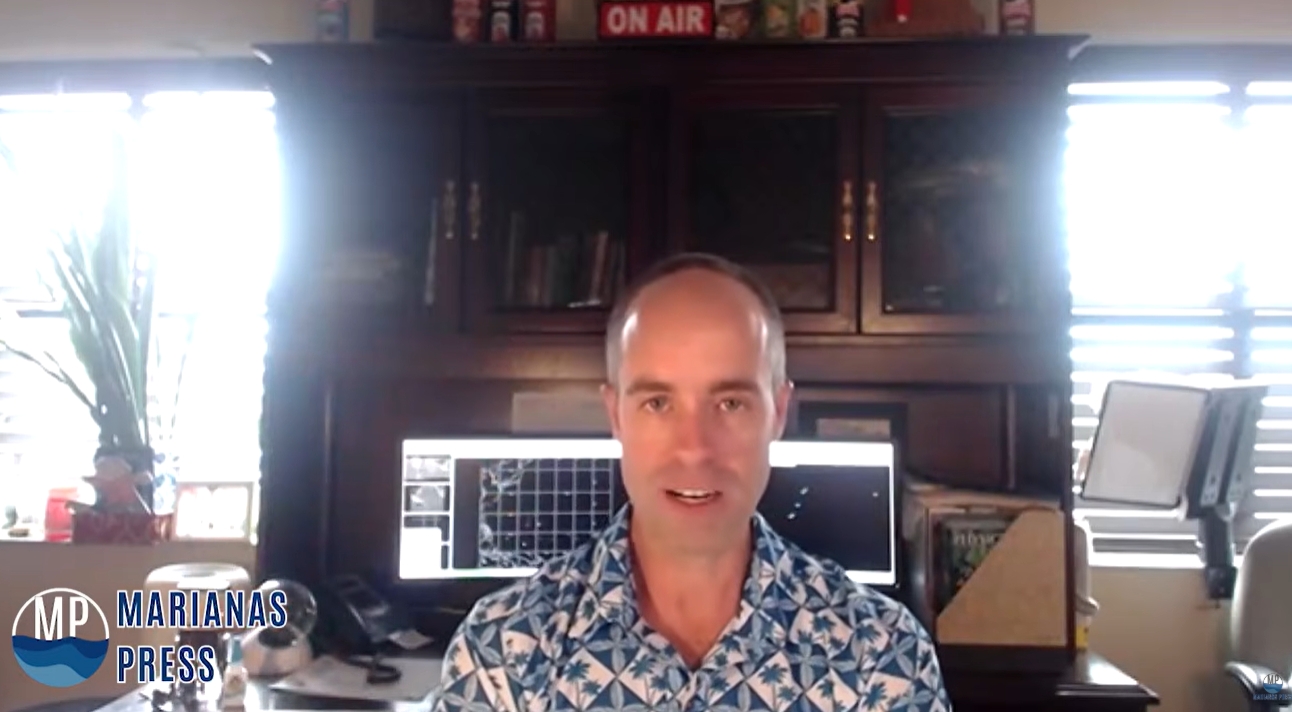
Agape Christian School administrator Kok H. Pang warned that a new U.S. Citizenship and Immigration Services policy tightening Adjustment of Status applications for green cards could severely disrupt private schools and ministries in the CNMI that depend heavily on foreign teachers and staff.
The USCIS memorandum issued May 21, 2026 emphasizes that Adjustment of Status, or AOS, is considered “extraordinary relief” and that many applicants should instead pursue immigrant visa processing overseas through U.S. embassies or consulates.
Pang said the shift could create serious uncertainty for schools like Agape, where many educators are foreign workers legally employed in the CNMI while pursuing permanent residency.
“This new USCIS policy is potentially very serious for schools like [ours] that depend on foreign teachers and staff who are working legally in the CNMI/U.S. while hoping eventually to obtain permanent residency,” Pang said.
He said the biggest concern is that teachers may now be required to leave Saipan and return to their home countries for consular interviews and processing instead of remaining in the CNMI while waiting for green card approval.
“That means the teacher may no longer be able to remain continuously employed in Saipan during the PR process,” Pang said. “For a school ministry, this is extremely disruptive.”
Pang said long overseas waits, administrative processing, visa delays, and uncertainty could leave schools understaffed and separate families for extended periods.
“This is especially difficult in CNMI because Saipan is geographically isolated and dependent on foreign workers,” he added.
He noted that schools across the CNMI rely heavily on Filipino, Chinese, Korean, and missionary educators, as well as foreign dorm parents and support staff.
“If staff members must leave the U.S. for consular processing, staffing continuity becomes unstable, retention becomes harder, [and] schools may hesitate to invest long-term,” Pang said.
The USCIS memo has sparked concern nationwide, with immigration attorneys warning the policy could increase scrutiny of green card applications already filed or pending.
Pang also said uncertainty remains over how USCIS will handle pending Adjustment of Status cases, derivative family members, religious worker categories, and CNMI-specific situations.
“There will almost certainly be lawsuits, injunctions, policy challenges, further clarifications, and probably changing interpretations,” he said. “So right now, there is substantial uncertainty.”
Pang urged schools and foreign workers not to assume previous immigration pathways will continue functioning as before.
“A person should not assume: ‘I can just stay in Saipan while waiting for green card approval.’ That assumption may no longer be safe under this policy direction,” he said.
He added that the policy reflects a broader tightening of U.S. immigration policy treating temporary visas strictly as temporary.
“For ministries and Christian schools depending on long-term foreign workers, this could become one of the most important operational challenges over the next several years,” Pang said.
Share this article: