Apatang: Furloughs necessary as CNMI weighs 2 budget options
Gov. David M. Apatang said furloughs will be necessary as his administration and the Legislature grapple with a tight fiscal year 2027 budget, although how many government workers could ultimately be affected remains unsettled.
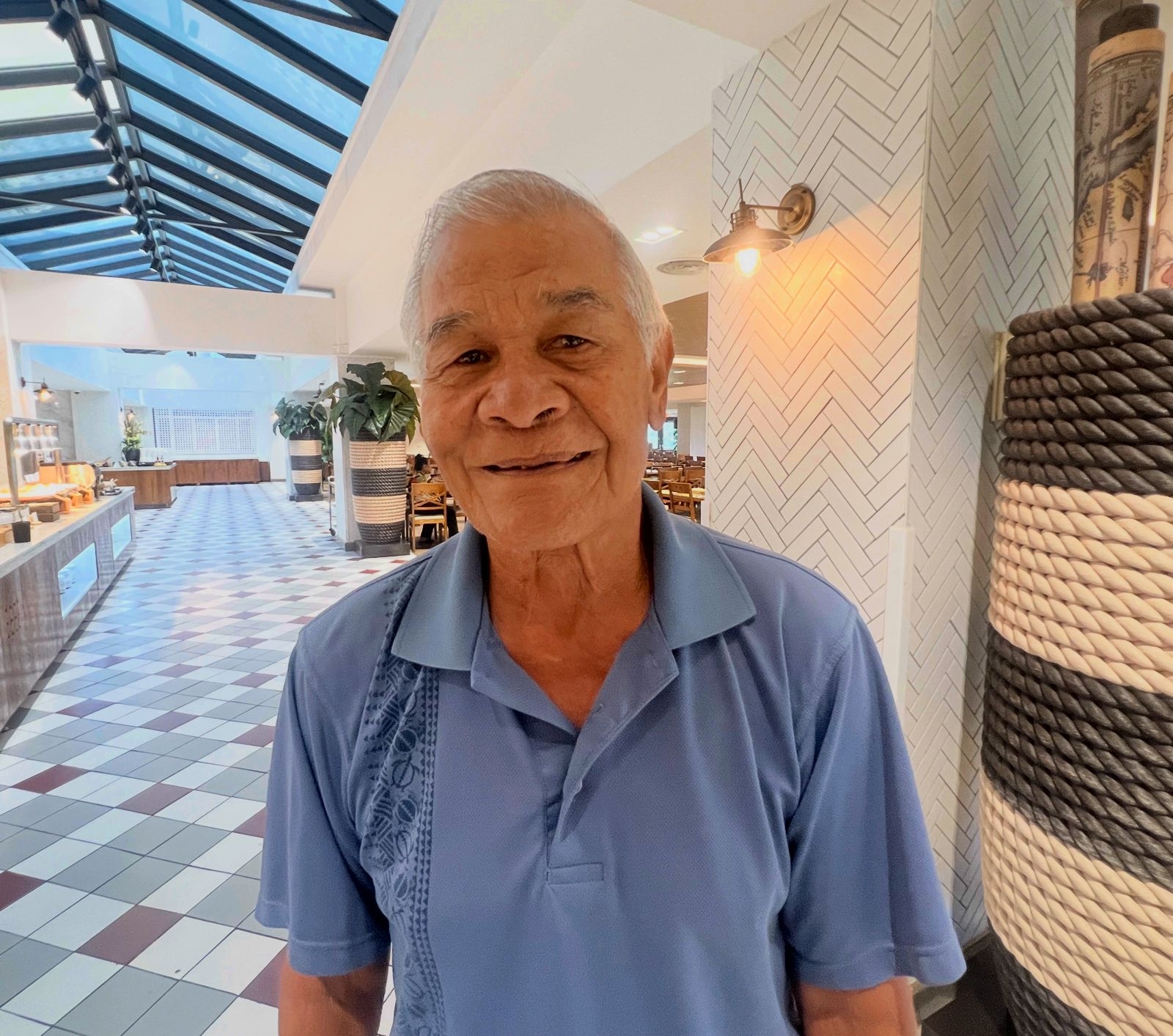
Interviewed by Marianas Press outside the Office of the Governor last Monday, Aug. 17, Apatang said the administration is waiting for the Civil Service Commission to complete emergency regulations governing how furloughs would be implemented.
“We have to do furlough, but the secretary of Finance and our Budget Office director says that there's two scenarios, so it's one or the other,” Apatang said.
The governor was referring to two fiscal year 2027 budget scenarios presented by the administration during last Aug. 14’s House Ways and Means Committee hearing.
Under one scenario, the government would avoid furloughs but maintain a 40-hour biweekly work schedule. Under the priority-based alternative, the government could maintain a 64-hour biweekly schedule but furlough an estimated 200 to 400 employees.
Apatang said the budget is now before lawmakers and acknowledged that more work remains before the government determines how to proceed.
The possibility of hundreds of government workers being furloughed drew concern and debate on social media, with commenters questioning where cuts should be made and pointing to the CNMI’s longstanding dependence on government employment.
Juanita Masga Mendiola called for cuts to begin with political hires in mayors’ and council offices and argued that staffing should be reduced to what is necessary to provide government services. She also suggested contracting out some critical functions to qualified private businesses.
Mendiola said the issue goes beyond simply reducing government employment, calling for several approaches to be pursued simultaneously. She suggested exploring a larger health insurance pool involving government and private-sector workers and possibly other parts of Micronesia, while also addressing wages and the cost of living.
Jane Mack, meanwhile, summed up the two choices as keeping the workforce at sharply reduced hours or cutting 200 to 400 positions while allowing remaining employees to work more hours.
“We have been dependent on government employment. Our private sector economy has not been attractive to most,” Mack wrote. “I'm not sure how we fix the situation except to build our economy.”
Other social media reactions ranged from expressions of surprise and sadness to criticism of the government and concern about the economic consequences of possible furloughs.
Apatang, for his part, acknowledged that the Commonwealth has faced several difficult years and pointed to his administration’s work to catch up on government audits.
“We've been experiencing a lot of challenge in this several years, you know, since I took over,” he said.
Apatang said his administration expects to hold a media briefing in September on the audits and what needs to be done going forward. He also said he would forward letters to the Office of the Public Auditor as part of continuing work on the issue.
Share this article: