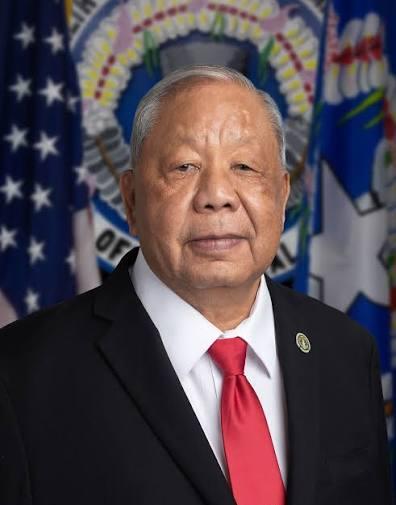
Gov. David M. Apatang ordered a government shutdown beginning with the new fiscal year despite the Legislature completing action Wednesday, Sept. 30, on the fiscal year 2027 budget, saying his office received the spending measure at 10:36am and had insufficient time to properly review it before the Oct. 1 deadline.
Apatang issued Executive Order 2026-22 after the House voted 18-1 to adopt Conference Committee Report 24-07 on House Bill 24-108, HS1, SD1, CCS1. The Senate had unanimously adopted the same report, 8-0, hours earlier during an emergency session that began at 1:37am. The order says government operations will cease until the FY 2027 appropriations law is approved, except for 100% federally funded positions, autonomous agencies and public corporations not paid from the General Fund, and positions designated as essential.
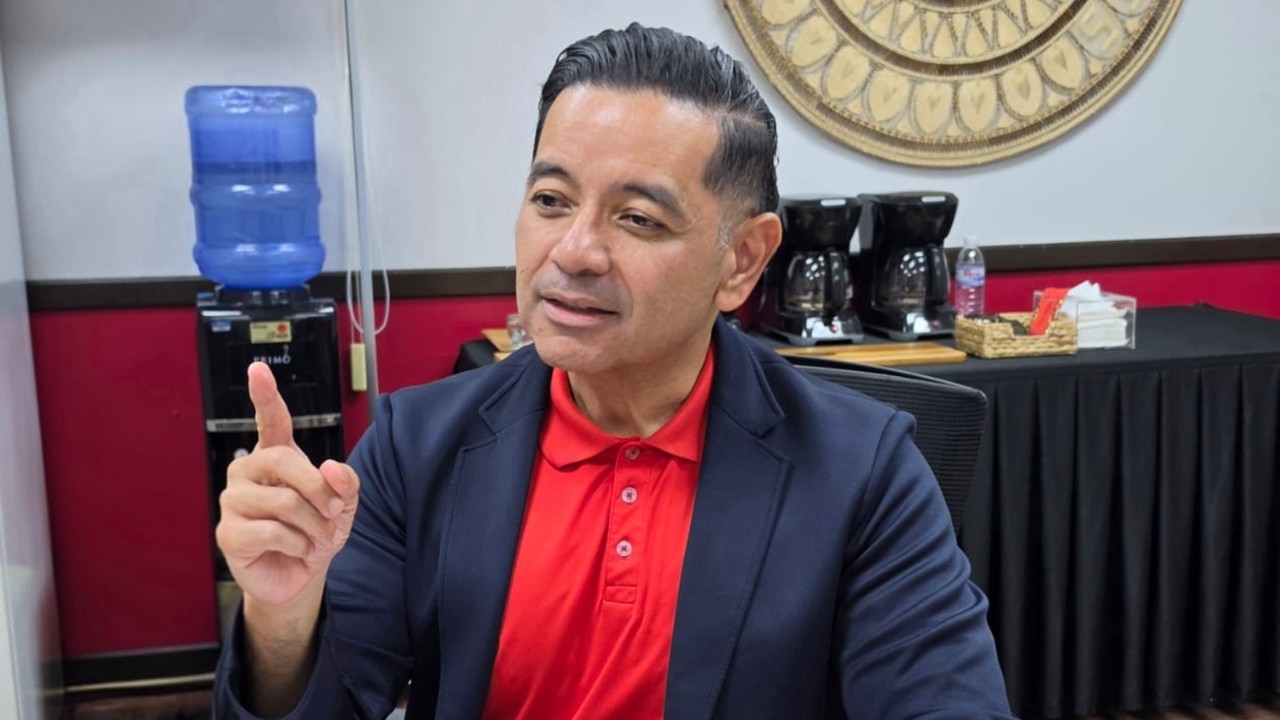
Before the House vote, however, Rep. Vincent Aldan—the only representative to ultimately vote against the measure—warned that passage of a budget would not address the Commonwealth's underlying fiscal problems without confronting the size and cost of government.
“Before we ask our community for another dollar, I believe government must first demonstrate that we are using the dollars already entrusted to us as efficiently as possible,” Aldan said. “Before we talk about raising taxes, we should talk about restructuring government.”
Aldan said the fiscal year 2027 schedule shows roughly 3,099 funded government positions and about $51.9 million in personnel costs. He stressed that government employees themselves were not the problem, pointing to police officers, firefighters, teachers, nurses, inspectors, engineers, and other frontline workers whose services are necessary. Instead, he questioned layers of management and administrative functions across government and whether some could be consolidated.
“Government should be the facilitator of first resort, not the employer of first resort,” Aldan said. “Because when the private economy shrinks, while government remains the same size, eventually fewer businesses and fewer workers are being asked to support a government structure that was built for a much larger economy.”
Aldan proposed freezing unnecessary hiring, eliminating unnecessary vacant positions, using attrition and retirement, consolidating duplicative administrative functions and moving personnel toward understaffed essential services. He said restructuring should not mean indiscriminately firing government workers.
The shutdown order invokes Article III, Section 9 of the CNMI Constitution, which mandates approval of a balanced budget before the first day of the fiscal year. The order says that if a balanced budget is not approved before Oct. 1, no money may be drawn from the General Fund except to maintain government services and employees essential to public health, safety and welfare and the protection of property.
Apatang said that because “essential services” has not been defined by the Legislature by statute, it falls to the governor to determine which positions qualify. Employees designated as essential will continue reporting to work and being paid from the General Fund, while all other services and expenditures, including salaries of nonessential employees, will be suspended until a balanced FY 2027 appropriations bill is enacted into law.
The list accompanying the executive order designates all Public School System and Northern Marianas College employees as essential. It also includes all Commonwealth Election Commission employees; most frontline Department of Public Safety, Department of Fire and Emergency Medical Services and Department of Corrections personnel; specified Finance, Customs, Public Works and other employees; and designated personnel in the mayoral offices.
The budget that reached Apatang was itself the product of days of contentious negotiations between the House and Senate over PSS, NMC, Medicaid, government work hours and other programs. The final spending plan identifies approximately $100.73 million in net resources available for appropriation and retains Medicaid and other specified programs among those eligible for advance allotments.
PSS was among the biggest sticking points. The agreement initially allocates about $16.18 million to PSS for the first two quarters of fiscal year 2027 to cover 64-hour biweekly work periods and school operations. It also requires Finance to transfer at least about $2.7 million monthly to PSS beginning Oct. 1 and identifies additional funding sources lawmakers can use to help maintain the 64-hour schedule for the remainder of the fiscal year. The maximum education tax credit for donations directly to PSS was also increased from $5,000 to $10,000.
For most other General Fund-supported government employees, the compromise provides at least 60 hours per biweekly pay period during the first quarter, from Oct. 1 through Dec. 31. Work hours afterward will depend on remaining General Fund allocations, revolving funds, outside funding and any supplemental appropriations.
The agreement also allows legally established revolving and special accounts to be used for personnel and operating expenses and includes NMC among entities benefiting from the provision. Fifty percent of cumulative balances in most of those accounts as of Sept. 30 must be reserved for future legislative appropriation for retirees' benefits, PSS and NMC.
Another provision requires cumulative undrawn Federal Emergency Management Agency reimbursements received by the executive branch during fiscal year 2027 to be reserved and identified by Finance for legislative appropriation. The agreement also provides $100,000 in each senatorial district for typhoon recovery costs subject to FEMA reimbursement.
House Ways and Means Committee chair Rep. John Paul Sablan, who led the House conference team, called the negotiations a “marathon” and said the House initially objected to Senate cuts involving Commerce, NMC and PSS before the two sides reached compromises.
“This is not a perfect product, but it is a product that both sides feel is fair and balanced,” Sablan said. “Let's continue to work together through this fiscal year and continue to find solutions to our ailing economic situation.”
Senate Fiscal Affairs Committee chair Sen. Jude U. Hofschneider similarly described the agreement as the product of difficult negotiations. “Although we were far apart in terms of the budget, differences between the House and the Senate, we were able to crank out hard at work over the last couple of days to come to this agreement,” Hofschneider said.
Senate President Karl King-Nabors, meanwhile, warned after the Senate vote that passage of the spending plan did not resolve the Commonwealth's underlying fiscal problems. “I don't see us not being right back here in 10 months,” King-Nabors said.
Share this article: