BOEM sees Saipan port gains, deep-sea risks from CNMI mineral exploration
The Port of Saipan could get a boost from the federal government’s push to explore millions of acres of waters around the CNMI for critical minerals, but the venture also comes with potential risks to fragile deep-sea habitats.
That is one of the takeaways from a July 16, 2026, Bureau of Ocean Energy Management report entitled “Negative Determination: Commercial Leasing for Minerals Offshore the Commonwealth of the Northern Mariana Islands.”
Prepared by BOEM’s Pacific Outer Continental Shelf Region last July 16, it discusses possible commercial mineral leases east and west of the CNMI.
According to the report, BOEM is looking at issuing up to six leases—three east and three west of the CNMI. For now, however, the leases would allow only preliminary exploration and not actual mining.
Any future mining would require a separate plan and another BOEM environmental review.
The proposed areas are huge, covering about 69.1 million acres of federal Outer Continental Shelf waters. The western area comes within about 54 miles of Saipan, while the eastern area is about 128 miles from Saipan at its closest point.
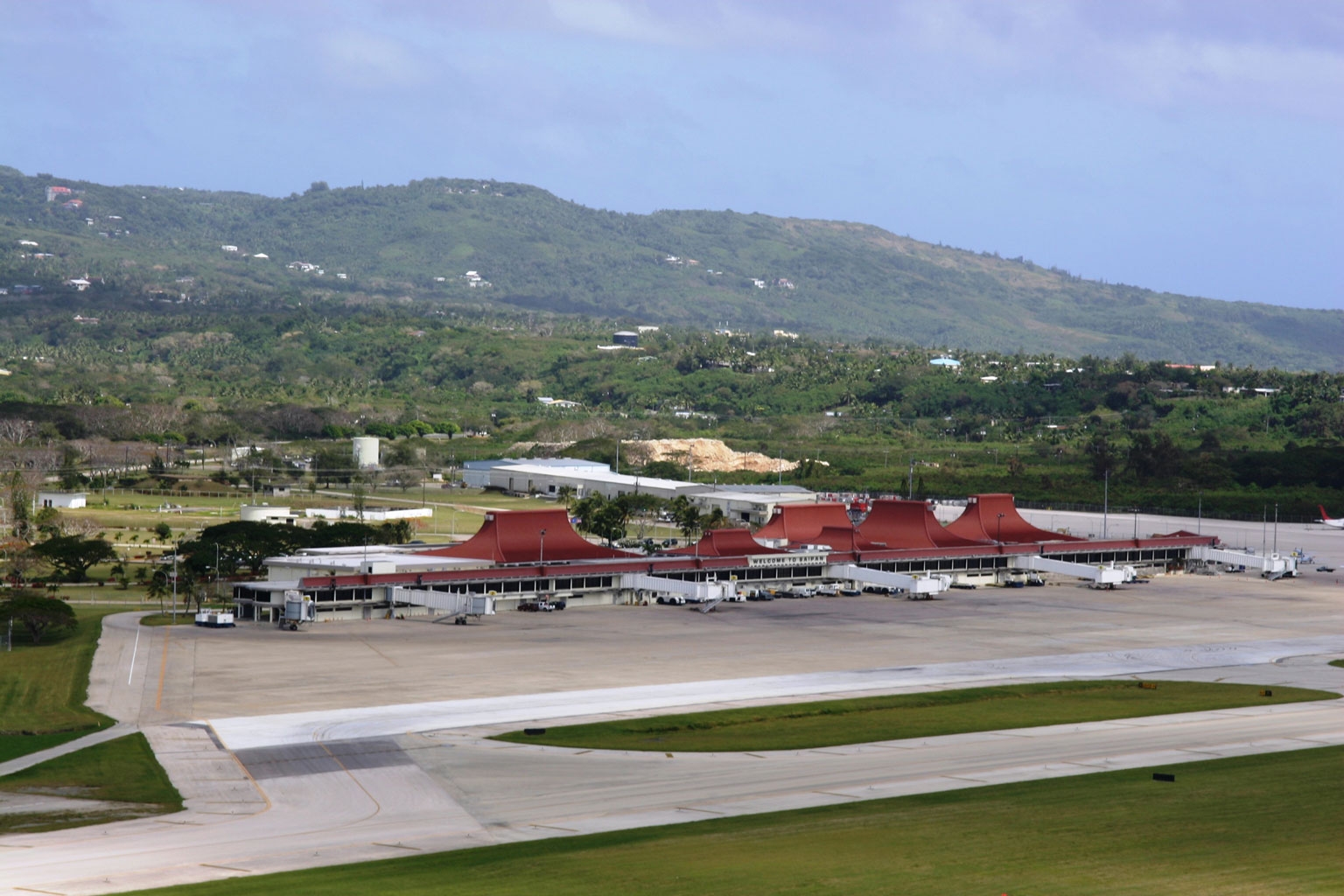
One potential benefit for the CNMI is increased business at the Port of Saipan.
“BOEM assumes the Port of Saipan in the CNMI would be the primary local port utilized,” the agency said.
Survey vessels could use Saipan to refuel, load supplies and get other support services. Other CNMI ports and the Port of Guam could also be used.
BOEM expects the vessels to likely come from the U.S. mainland, although they could also arrive from Pacific hubs such as Malaysia and Australia.
The exploration itself could mean hundreds of vessel trips and thousands of days at sea, although BOEM said its estimates are conservative and actual activity would likely be lower.
The work could include mapping, geophysical surveys, underwater vehicles, limited seabed sampling, moorings and scientific monitoring.
But there is another side to the story.
BOEM acknowledges that even preliminary work could disturb the ocean floor.
While the area directly disturbed would be small, the agency said “the local consequences are likely to persist due to the extreme longevity and slow recovery of deep benthic communities.”
BOEM cited experimental mining studies elsewhere showing some deep-sea communities had still not recovered to their previous levels after 26 to 44 years.
Mineral nodules can also take millions of years to form, meaning their removal or disturbance could result in habitat loss that is effectively permanent on a human timescale.
BOEM, however, said the preliminary work proposed around the CNMI would be far smaller than those experimental mining disturbances and spread over a large area.
Seamounts are another concern, as BOEM said their flanks can be home to deep-sea corals and sponges that are highly sensitive to physical disturbance.
“Even minor contact could damage these long-lived organisms,” BOEM said.
The agency said avoiding seamount habitats could reduce that risk.
The exploration could also have some effect on fish, as surface buoys and moorings could temporarily act as fish-aggregating devices, attracting tuna, mahi-mahi and billfish and changing their behavior and distribution.
BOEM, however, does not expect population-level effects and said the fish-aggregating effect would disappear once the structures are removed.
Seabed sampling could also stir up sediment and temporarily affect water quality. BOEM expects the sediment to settle quickly and water conditions around preliminary sampling sites to return to normal within minutes.
Accidental diesel or lubricant spills could cause short-term impacts near the site of a spill.
There is also a piece of World War II history sitting at the bottom of the ocean.
BOEM said shipwrecks and downed aircraft are the cultural resources most likely to be encountered in the proposed areas.
Historical records show 12 Japanese vessels were reported lost during World War II within the proposed action area, including transports, submarines, a gunboat, repair ship and fleet tanker.
The U.S. Naval History and Heritage Command also reported three U.S. Navy shipwrecks and four Navy aircraft wrecks in the area.
Some military wrecks could be submerged grave sites. BOEM also warned of the possible presence of unexploded ordnance around World War II archaeological sites.
If cultural resources are discovered, BOEM said requirements would include avoidance measures, qualified marine archaeologists and procedures for unexpected discoveries.
The July 16 document is technically a “negative determination” submitted to the Guam Coastal Management Program. BOEM concluded that the proposed preliminary activities would not have reasonably foreseeable adverse effects on Guam’s coastal resources because of their distance offshore, limited scope and lack of direct overlap with Guam’s coastal zone.
That finding does not mean BOEM has determined that commercial seabed mining itself would have no environmental impact.
The leases now being considered cover preliminary activities only. Actual mining would require another plan and environmental review.
And while the report points to possible economic activity at the Port of Saipan, it does not say how much money the CNMI would receive if commercially valuable minerals are eventually found and mined. It also does not establish a Commonwealth share of federal lease or mineral revenues.
Share this article: