Camacho denies recusal bid in Mendiola misconduct case, orders prosecutors to clarify charges
Superior Court Associate Judge Joseph N. Camacho has denied a government motion to disqualify or recuse himself from presiding over the criminal case against Lt. Gov. Dennis C. Mendiola and two co-defendants, while ordering prosecutors to clarify vague allegations underlying multiple counts of misconduct in public office.
Camacho ruled from the bench during the motion to disqualify last Dec. 17, following arguments on a Nov. 21, 2025 motion to disqualify, later clarified by the Commonwealth as a motion to recuse.
The motion stemmed from comments Camacho made during an earlier hearing in which he raised logistical questions about a possible change of venue from Saipan to Rota.
Office of Attorney General special prosecutor Olga Kelly argued that the court raised the venue issue in a “suggestive” manner that could lead a “reasonable person” to question the judge’s impartiality.
She said no alleged criminal acts occurred on Rota and that Rota was merely “the end of the crime,” making it premature and improper for the court to suggest the venue. She further argued that because Mendiola is from Rota, holding the trial there could result in a more favorable outcome for at least one defendant.
Kelly cited a 1992 Ninth Circuit case in Anchorage, Alaska, arguing recusal is required when an objectively reasonable observer could question a judge’s neutrality.
Defense counsel Bruce Berline, representing Mendiola, opposed the motion along with Joey Patrick San Nicolas, who represents Justin Mizutani, and Charity R. Hodson, who represents Joey Dela Cruz.
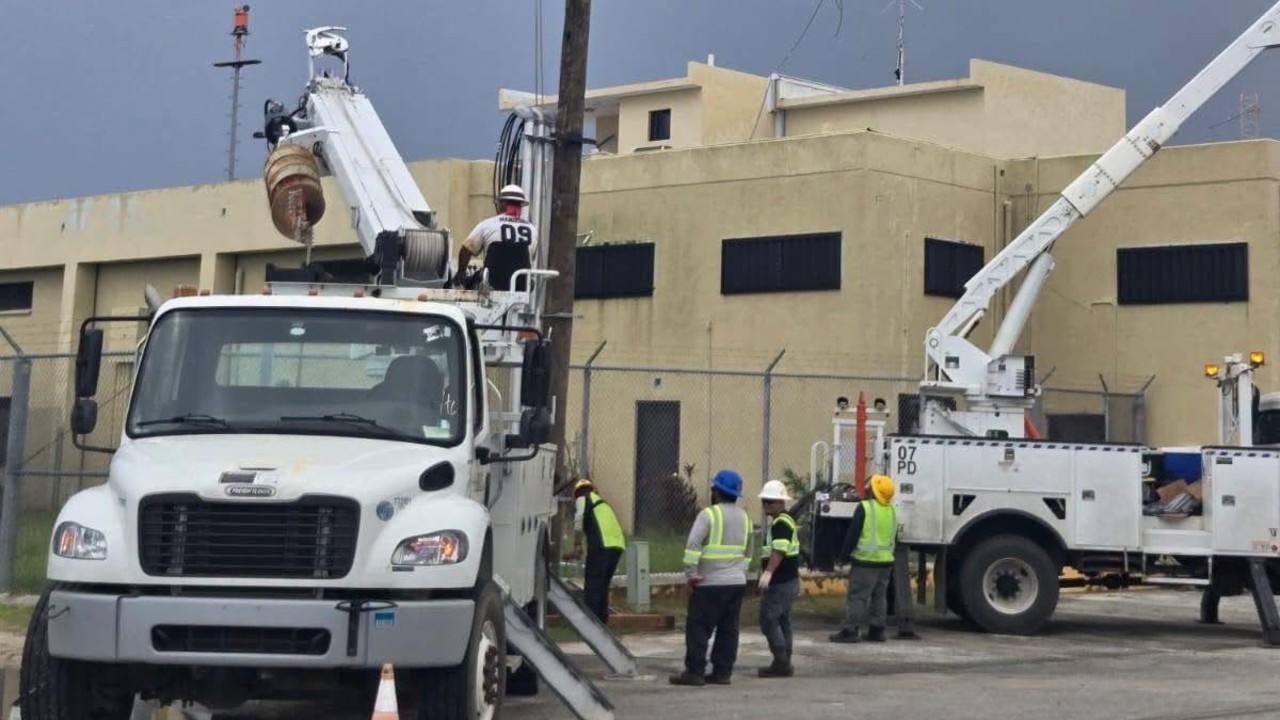
According to court filings, Mendiola—who in 2022 was serving as special assistant of the Homeland Security and Emergency Management office—allegedly ordered the transport of private and rental vehicles on government-chartered vessels, incurring thousands of dollars in costs to the Commonwealth.
Mizutani was a Department of Fire and Emergency Services lieutenant detailed to HSEM, while Dela Cruz later became acting special assistant at the agency.
Berline, along with San Nicolas and Hudson, said the government failed to meet the heavy legal burden required for recusal. Berline argued there was no transcript, affidavit, or sworn evidence supporting the government’s characterization of the hearing and objected to what he described as hearsay.
Defense counsels said the court’s comments were routine case-management inquiries involving jury logistics, trial length, and scheduling—not legal advice or advocacy. They cited U.S. Supreme Court precedent holding that general courtroom discussion “almost never” constitutes grounds for recusal.
Defense attorneys also objected to the government’s suggestion that a Rota jury would be biased in Mendiola’s favor, calling the claim unsupported, offensive, and an affront to the people of Rota. They noted that two other defendants are from Saipan and argued the same logic would suggest Saipan jurors could also be biased.
In denying the motion, Camacho said he was merely setting trial dates and exploring logistical considerations, including jury instructions, transportation, lodging, and the anticipated three-week length of trial. He said he was not advising counsel on strategy.
Separately, the court addressed defense challenges to the charging documents. On Dec. 3, defendants filed a motion for a bill of particulars, followed by Mendiola’s Dec. 5 motion to dismiss the information, filed by Berline, arguing the charges fail to identify the specific illegal acts required to sustain misconduct counts.
Defense counsel said the information is constitutionally deficient, lacks statutory citations, and fails to clarify whether the alleged conduct constitutes a felony. Kelly said the alleged illegal acts involve misappropriation of public funds but requested additional time to consult with the Office of the Public Auditor.
Camacho ordered the government to specify the alleged illegal acts and respond on or before Jan. 5, 2026, and said he will issue a written order on Mendiola’s motion to dismiss. Trial is scheduled to begin March 9, 2026.
Share this article: