Candidates pitch plans for a storm-ready CNMI
Harden infrastructure, build up disaster reserves, stabilize utilities, and make sure recovery money is spent wisely.
Those were among the prescriptions offered by the three candidates for CNMI governor when they were asked how they would better prepare the Commonwealth for the next major disaster.
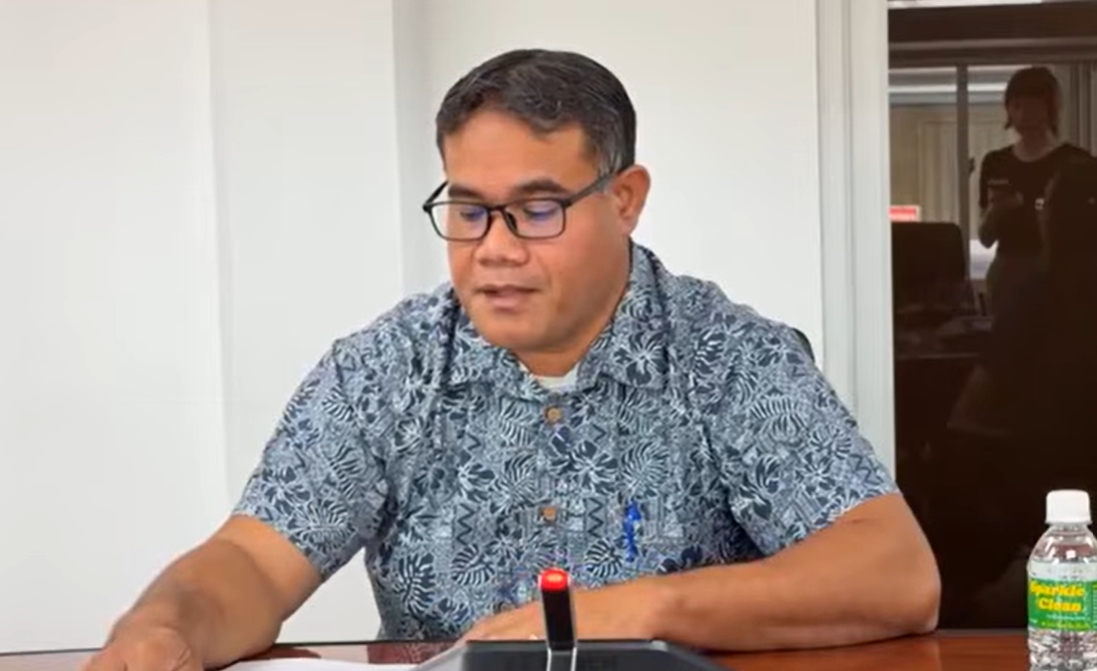
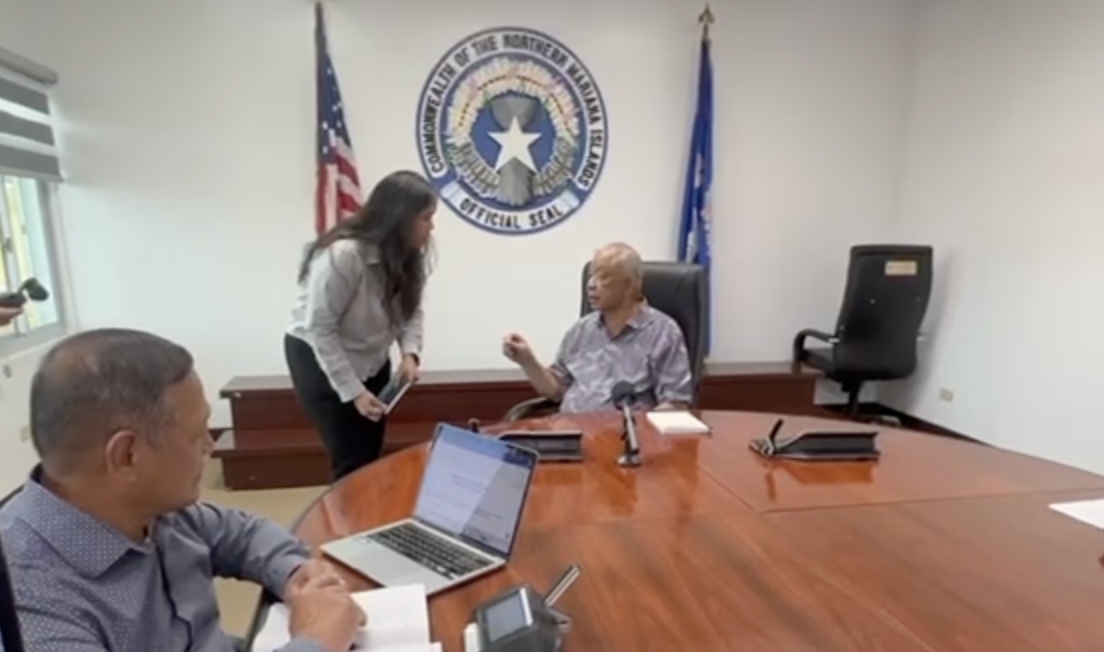
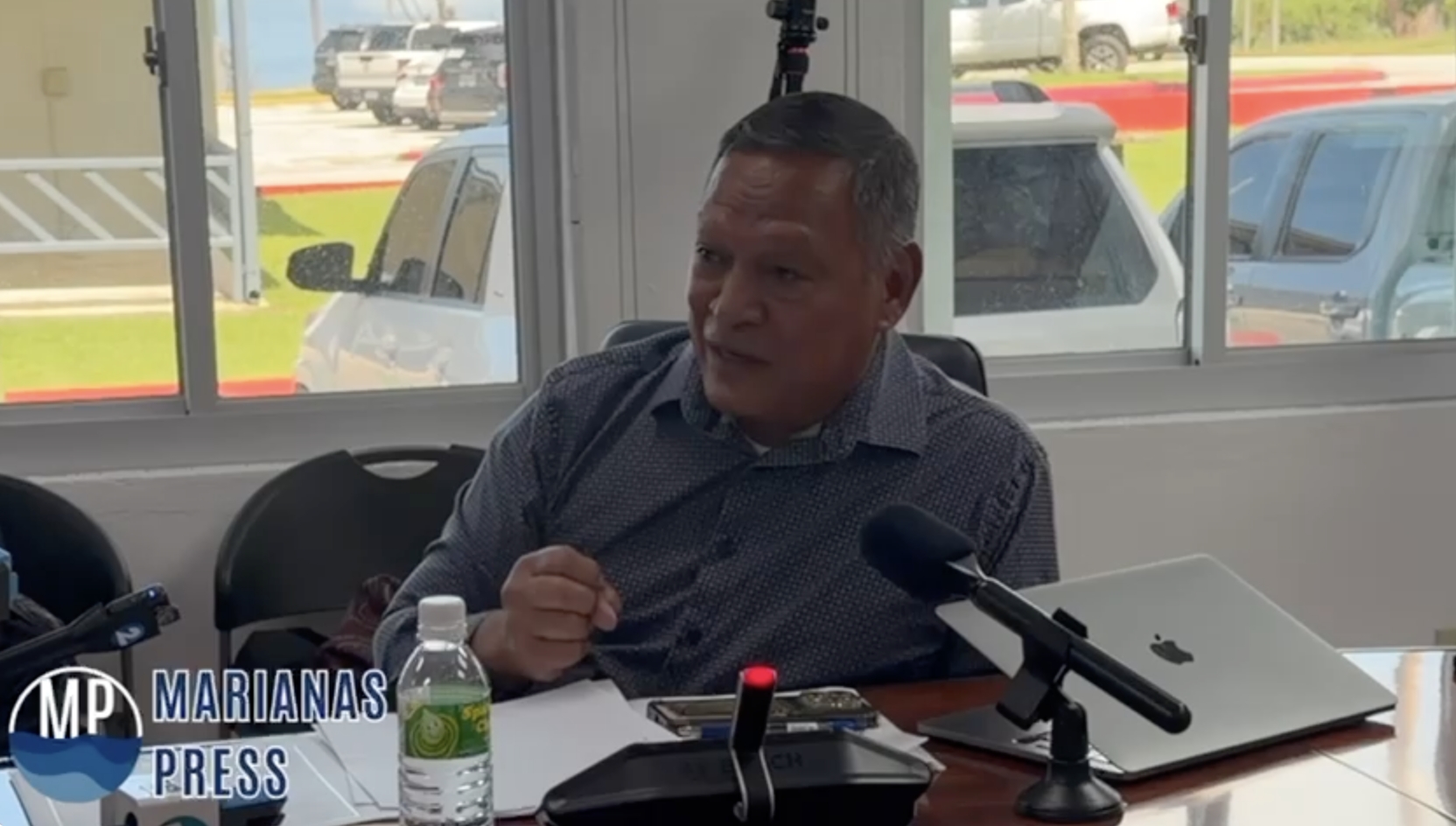
Independent candidates Blas Jonathan T. Attao and Lawrence F. Camacho and CNMI Republican Party candidate Ralph DLG Torres tackled disaster preparedness during the second question of the Marianas Press 2026 gubernatorial debate last Aug. 18 at Pacific Islands Club Saipan’s Charley’s Cabaret.
Coming on the heels of super typhoons Sinlaku and Bavi, moderator Thomas Manglona II noted that the CNMI has been struck by multiple disasters over a relatively short period before asking: “What investments will your administration make to better prepare the NMI for future disasters?”
The disaster question was the second of 11 posed to the gubernatorial candidates during the debate.
Attao, a longtime House representative, didn't mince words on his first priority.
“We've got to harden our infrastructure. That's first and foremost,” Attao said.
Attao said the Commonwealth Utilities Corp. needs to be stabilized and held accountable for how it uses money, while ensuring backup supplies such as transformers and power lines are available after disasters. He also called for hardening power plants and developing renewable-energy systems capable of surviving typhoons.
He also pushed for a rainy-day fund, saying he had supported setting aside money for such a reserve while serving in the Legislature.
Under an Attao administration, he said, proposed budgets would include reserve funding to harden infrastructure and help prevent schools from suffering financially after a typhoon.
Torres, a former governor, pointed instead to his administration's record following previous disasters.
“My administration has actually done that,” Torres said. “I've done it in the past, and I'll do it again.”
Torres cited permanent housing, concrete power poles, and federal infrastructure investments during his tenure. He said his administration secured “$300 million of EDA infrastructure,” and also cited 3,000 concrete poles.
EDA stands for U.S. Economic Development Administration.
He also stressed maintaining a strong relationship with the Federal Emergency Management Agency and said $94 million was paid under the Community Disaster Loan program.
Torres agreed that a disaster reserve would help the CNMI avoid deficit spending when another storm strikes and questioned whether the current legislative leadership had established rainy-day or disaster reserve savings.
He agreed that a disaster reserve would help the Commonwealth avoid deficit spending when another storm strikes and questioned whether the current legislative leadership had established rainy-day or disaster reserve savings.
Camacho, a former Education commissioner, also put infrastructure hardening at the top of his list, particularly ensuring water and electricity can be restored quickly after disasters.
“Hardening infrastructure is obviously the critical thing to do,” Camacho said.
Camacho supported adding solar capacity as backup for CUC and said the Commonwealth should look for practical solutions that do not necessarily require massive spending. One example he offered was investing in equipment to shred storm-generated green waste so it could be reused rather than simply disposed of at additional cost.
The candidates then got a minute each for rebuttal.
Torres used his time to highlight disaster assistance provided during his administration, including Disaster Unemployment Assistance. He also cited efforts after Super Typhoon Yutu to address eligibility issues affecting residents, including people facing probate-related obstacles to rebuilding their homes.
Camacho said disaster spending needs a clear framework rather than simply pouring money into projects.
“We have to make sure we don't just throw money at it and then see if that's the solution, because that's been the problem,” Camacho said.
He said projects should have identified costs and priorities, contingencies if grants do not materialize, delivery timelines, and measurable goals to ensure investments are protected and sustained.
Attao used his rebuttal to challenge Torres' account of the Community Disaster Loan, saying the Legislature and the CNMI's congressional representative worked to secure access to additional money. He also defended the lack of a rainy-day fund, saying the government was paying obligations to residents and vendors, including amounts he said remain owed from the Pacific Mini Games.
Share this article: