Che: Stronger career, technical education key to building CNMI workforce
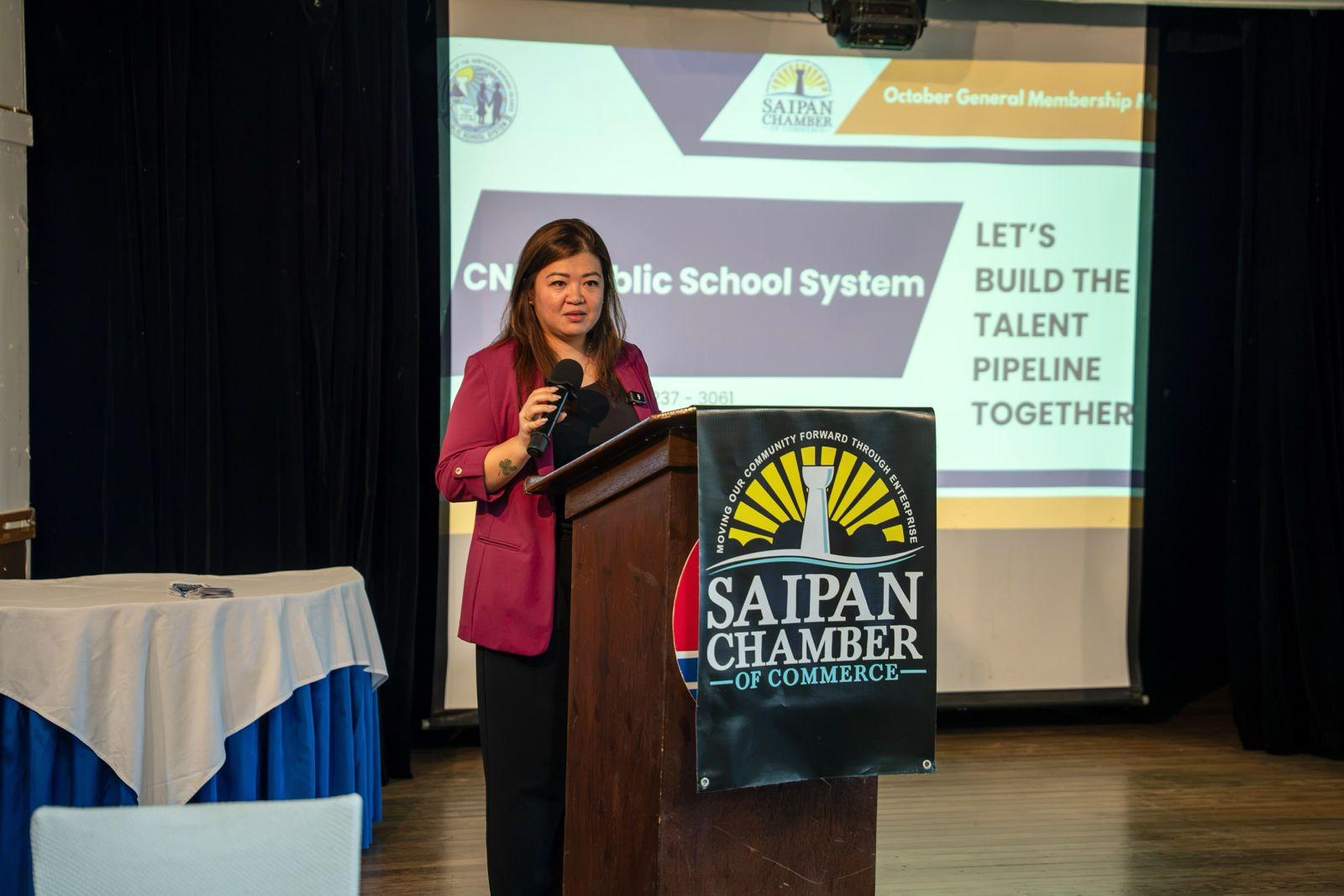
Interim Education commissioner Jacqueline Che is pushing for stronger career and technical education programs to prepare students for jobs available in the CNMI and help address the Commonwealth's workforce shortage.
Speaking at the Saipan Chamber of Commerce's monthly general membership meeting last Oct. 7 at Pacific Islands Club Saipan's Charley's Cabaret, Che said developing a skilled local workforce is essential to keeping young people in the islands and helping businesses recover from the economic downturn.
She said PSS is developing career pathways in tourism and hospitality, healthcare, construction and trades, and information technology.
Che said these programs should be developed with the help of local employers to ensure students are learning skills that businesses actually need.
“Our goal is not only to prepare students for careers, but to build those pathways with employers. We want to stop guessing what skills your future hires need; we want you to tell us,” she said.
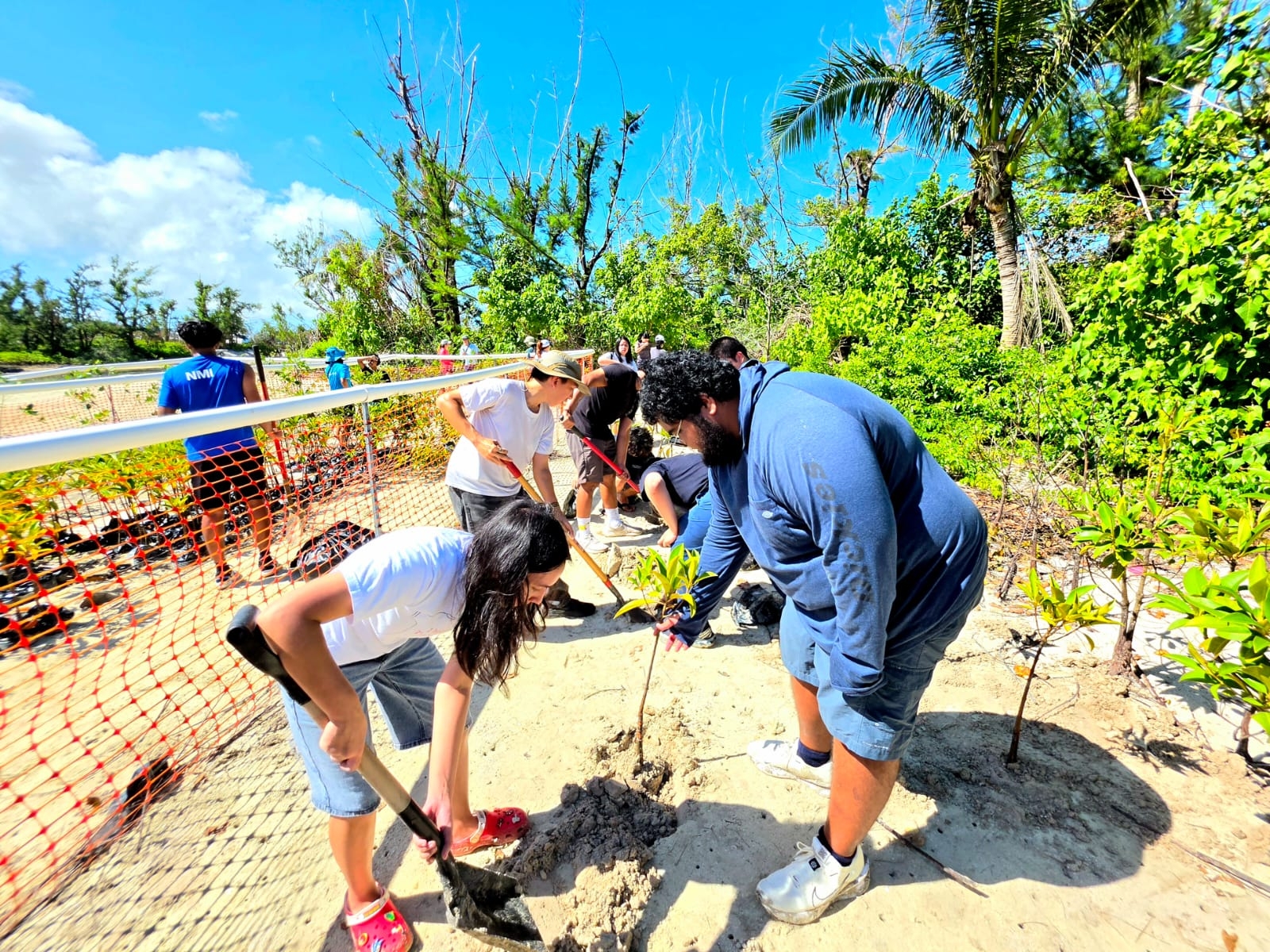
Che called on Chamber members to take a more active role in preparing students for employment through internships, workplace tours, job shadowing, mentoring, and hands-on training.
She said businesses could also help develop school curricula and identify the skills needed in their respective industries.
Che said exposing students to actual workplaces would help them better understand available career opportunities in the CNMI.
She said students should realize they do not necessarily have to leave the islands to build successful careers.
The PSS official said developing a local workforce has become more important as the CNMI continues to lose workers and families because of its struggling economy.
She cited the departure of CNMI-Only Transitional Worker program staff, the federal touchback requirement, and the continued migration of local families as factors affecting businesses and schools.
“We don’t need a slide or a spreadsheet to know that the CNMI is weathering an unprecedented economic storm,” Che said.
She said the economic downturn has also affected PSS, which continues to struggle with declining local funding.
According to Che, budget cuts have forced the school system to consider reducing instructional time, consolidating schools, and furloughing employees.
She said federal education funding has exceeded local funding since fiscal year 2010, leaving PSS increasingly dependent on federal grants and assistance.
However, Che said federal funding comes with restrictions and cannot always be used to cover local budget shortfalls.
Despite these challenges, she said investing in career and technical education could help the CNMI develop its own workforce and reduce its dependence on workers from outside the islands.
Che also proposed stronger cooperation between PSS and the business community through the PSS Business Advisory Council.
She said the council could serve as a bridge between schools and employers to identify workforce needs, strengthen training programs, and connect students with employment opportunities.
Che said the partnership should focus on listening to employers, connecting students with businesses, and providing actual workplace experience.
She stressed that businesses need to contribute more than financial assistance.
“Money alone will not solve the workforce crisis keeping you awake at night. We need your leadership,” she said.
Che acknowledged that developing a local workforce would take time but said the effort would benefit both students and businesses in the long run.
She ended her presentation by urging Chamber members to work with PSS in preparing the next generation of workers.
“Help PSS. Help us help you. Help us invest in the future - our children. And they will help you, and they will rebuild the CNMI,” she said.
Share this article: