CLI hopes to resume full operations as connectivity becomes lifeline for disabled community after Sinlaku
The Center for Living Independently is hoping to reopen within the next two weeks as it continues recovery efforts for hundreds of consumers affected by Super Typhoon Sinlaku, with officials stressing that internet connectivity has become critical in preventing isolation and depression among people with disabilities.
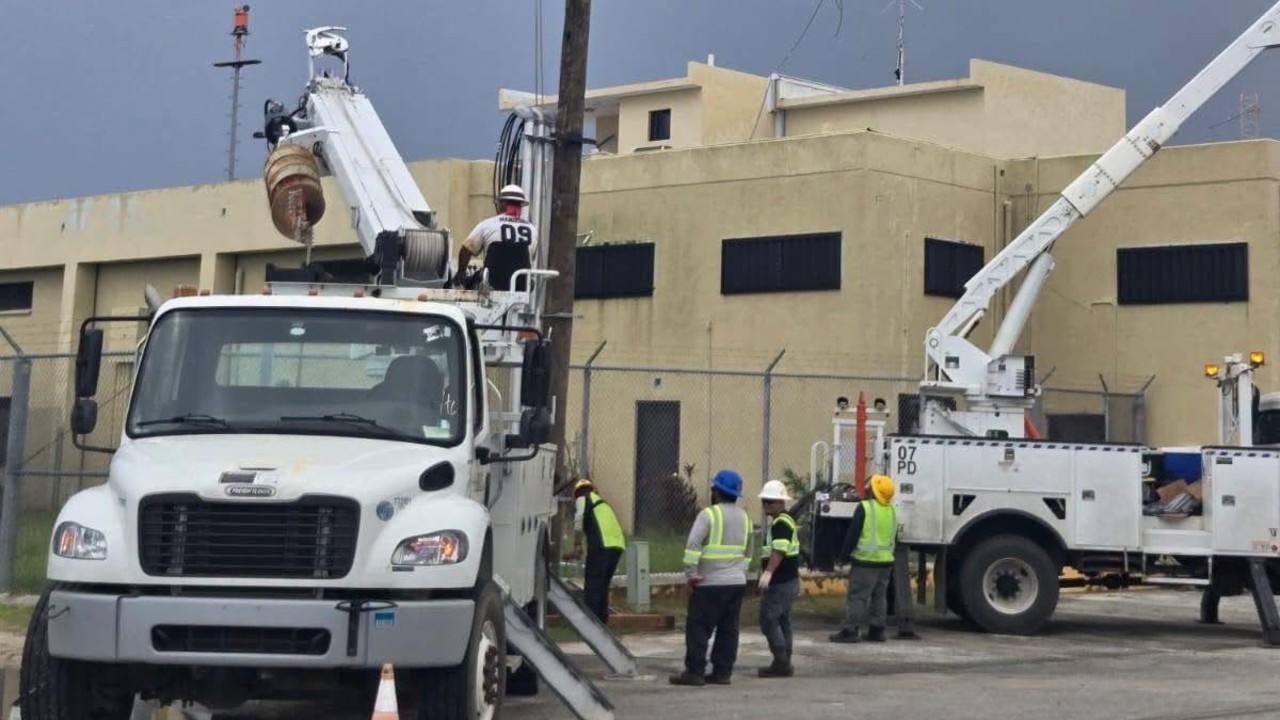
CLI executive director Susan Satur said the nonprofit sustained major damage to its facility, including the destruction of a walkway connecting two buildings, but noted that the center’s concrete structures helped minimize further losses.
“We hope to open the center within the next two weeks, once we get power and we can get this area all cleaned out,” Satur said. “We want to get them out of the home and doing activities that they enjoy doing. Isolation is really dangerous, so we’re trying to get them out into the community.”
Disability Services coordinator Tiana Babauta said communication challenges following the typhoon highlighted how essential internet and cellphone access are for the disability community, especially as many consumers remained isolated in damaged homes or shelters.
“As you know, people with disabilities, or anybody for that matter, when there’s isolation involved, they can get depressed,” Babauta said. “We have a group chat and everybody kind of checks in on everybody during the day.”
She added that CLI is currently seeking grant funding to provide internet access for consumers who remain disconnected.
“We’re trying to write a grant right now, as we speak, to get everyone connected to something, whether it’s a flash drive that will give them internet,” Babauta said. “That’s why there’s this need to have that internet connection.”
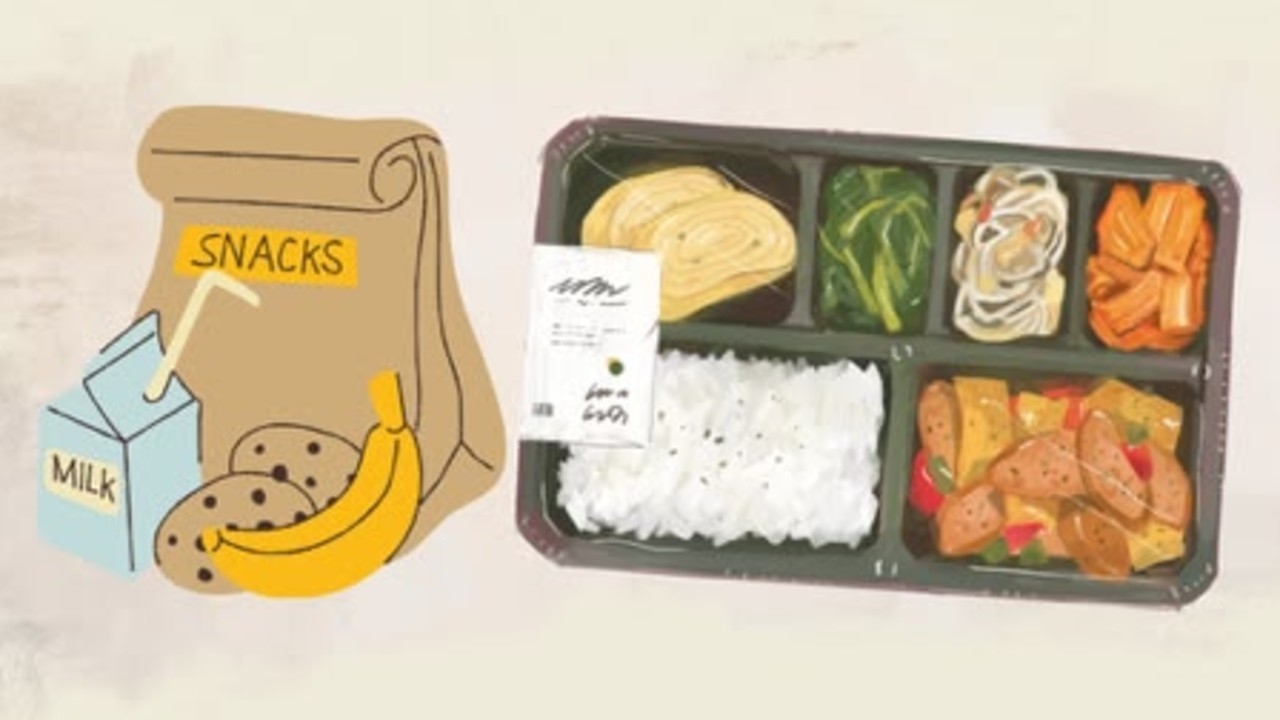
Satur said CLI immediately shifted into disaster response mode after the typhoon, delivering 600 meals daily to people with disabilities across Saipan and assisting residents with generators, tarps, water, and cleaning supplies.
“So, we delivered 600 meals every day until we just stopped on Thursday,” Satur said. “They do not have to be a CLI consumer.”
She said three CLI consumers are currently living in tents, while others relocated with family members or shelters after their homes were damaged.
Babauta said CLI teams split up by village areas to personally check on consumers because cellphone and internet service outages made communication difficult in the days after the storm.
“So what the team did is we really had to split up our efforts within each of the villages,” she said. “Many of them, their homes have been damaged. Some had to go into the shelters, or they’re living safely in their home, or had to relocate with family.”
CLI also distributed generators donated through Samaritan’s Purse, particularly to medically vulnerable residents dependent on oxygen machines, CPAP devices, and air mattresses.
“Those who are being released from the hospital can’t go home without [power], because they’re on oxygen or they have a CPAP,” Satur said.
The nonprofit currently serves about 330 consumers across Saipan, Tinian, and Rota, including roughly 80 who regularly attend activities at the center.
Satur credited community organizations and relief groups for helping CLI sustain operations during the recovery phase, including Samaritan’s Purse, World Central Kitchen, Ayuda Network, Pacific Coastal Research & Planning, American Red Cross, and CNMI Homeland Security.
Share this article: