CNMI Opioid Proceeds Council awards over $380K to local programs
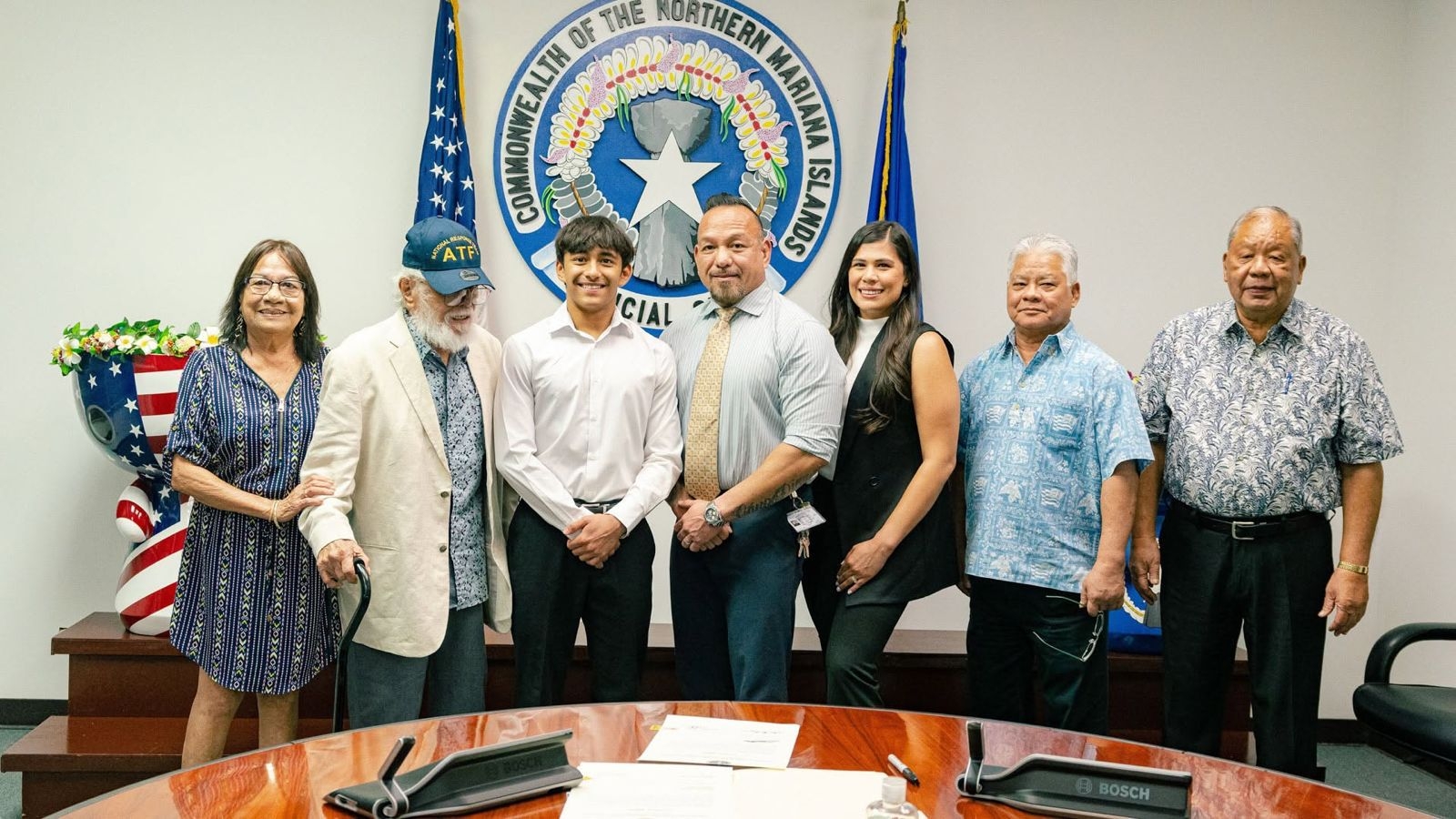
The CNMI Opioid Proceeds Council marked the first distribution of opioid settlement funds, awarding about $380,000 to six local agencies and organizations aimed at strengthening substance abuse prevention, treatment, recovery, and rehabilitation services across the Commonwealth.
A total of $383,490.50 was awarded to the CNMI Drug Court, Substance Abuse Addiction & Rehabilitation, Department of Corrections, Community Guidance Center, Rota Health Center, and the Northern Mariana Islands Football Association. A total of 10 entities applied, and the council didn’t provide a breakdown of how much money each successful applicant received.
The funding stems from nationwide lawsuits filed by state and territorial attorneys general against opioid manufacturers and distributors, which the CNMI joined through the Office of the Attorney General. Attorney General Edward Manibusan said the distribution represents the culmination of several years of legal and policy work.
“This is the inauguration after many years of putting together a settlement agreement. We filed lawsuits in our courts as well. We got consent judgments against the manufacturing and distribution [companies] in our local courts. And as a result of that, we were given these funds... and so right now, we have this money that's available for us to spread to the community through a grant application,” he said.
Manibusan said the council was created by law to oversee how settlement funds are spent, ensuring the money is used solely for programs that directly address substance abuse and recovery. Rather than spending the settlement funds all at once, the CNMI has invested a portion into a long-term portfolio to extend the life of the program.
“We didn’t want to use all the money at once,” he said. “We want to extend the life of this program so that assistance can continue for years, not just one year.”
CNMI Drug Court manager Edward P. Diaz said the funding will help close gaps in treatment and recovery services.
“We are really grateful for this opportunity. I think when we're dealing with substance use disorders and also opioid use. We really need a lot of resources, not only funding resources, but humans, and also like the ancillary services that we would like to provide to those who are struggling with addiction, because the approach is holistic, right? It's not a cookie-cutter approach; it's holistic,” he said.
SAAR program manager Charlotte Flores said the grant will allow the nonprofit to expand its residential treatment services and reduce long waitlists.
“This is huge for SAAR because not only is SAAR the only residential treatment service in the CNMI, but we are also bridging the gap by expanding our services. Right now, we've been seeing a lot of a long wait list. And so with the expansion of our program, we'll allow us to serve almost 50 individuals battling with substance use and maybe reduce the wait list or maybe even eliminate the wait list,” she said.
Department of Corrections director Anthony Torres’ executive secretary Victoria Deleon Guerrero said the funding supports a broader shift toward rehabilitation rather than punishment alone.
“DOC has a major hand in making sure that we do our part to limit recidivism in our community, to help individuals in our community who have suffered with substance abuse disorders have skills and the knowledge to make better choices, and the resources to live more fulfilling lives, especially for not just themselves, but for their families as well,” she said.
NMIFA received funding for a program aimed at integrating individuals in recovery into community-based activities. NMIFA Catherine Attao-Toves described the proposal as an innovative approach to recovery.
“I think the beauty of sports is that it attracts everybody and anybody. It doesn't matter your walk or your path in life. It's always nice to be able to support people in recovery, to come out and just enjoy the sport,” she said.
CHCC-Community Outreach and Response Center administrator Tiara Evangelista said their grant will support the expansion of addiction services, including peer support programs. “This completes the continuum of care—from prevention to treatment to recovery,” she said.
Manibusan said another grant cycle is planned for 2026 and will continue annually until settlement funds are exhausted. He emphasized that recipients are expected to use the funds carefully and for their intended purpose.
“We actually wanted to make sure, through this grant application and through this meeting, that the agencies and the people that are receiving this money understand the need for the use of this money, and hopefully that they take good care of it and really just apply it, providing a direct service to people who need it,” he said.
In April of this year, the Opioid Proceeds Council convened as a newly formed body. Within a month, it opened its official office, hired an executive director and support staff, to implement and launch the administration and funding opportunity of the Opioid Proceeds Litigation Funds.
In a course of eight months, since it initially convened, the council, as a fully functional and operating body, dispersed its first annual round of awards.
Share this article: