Governor Apatang updates on CNMI recovery, CUC
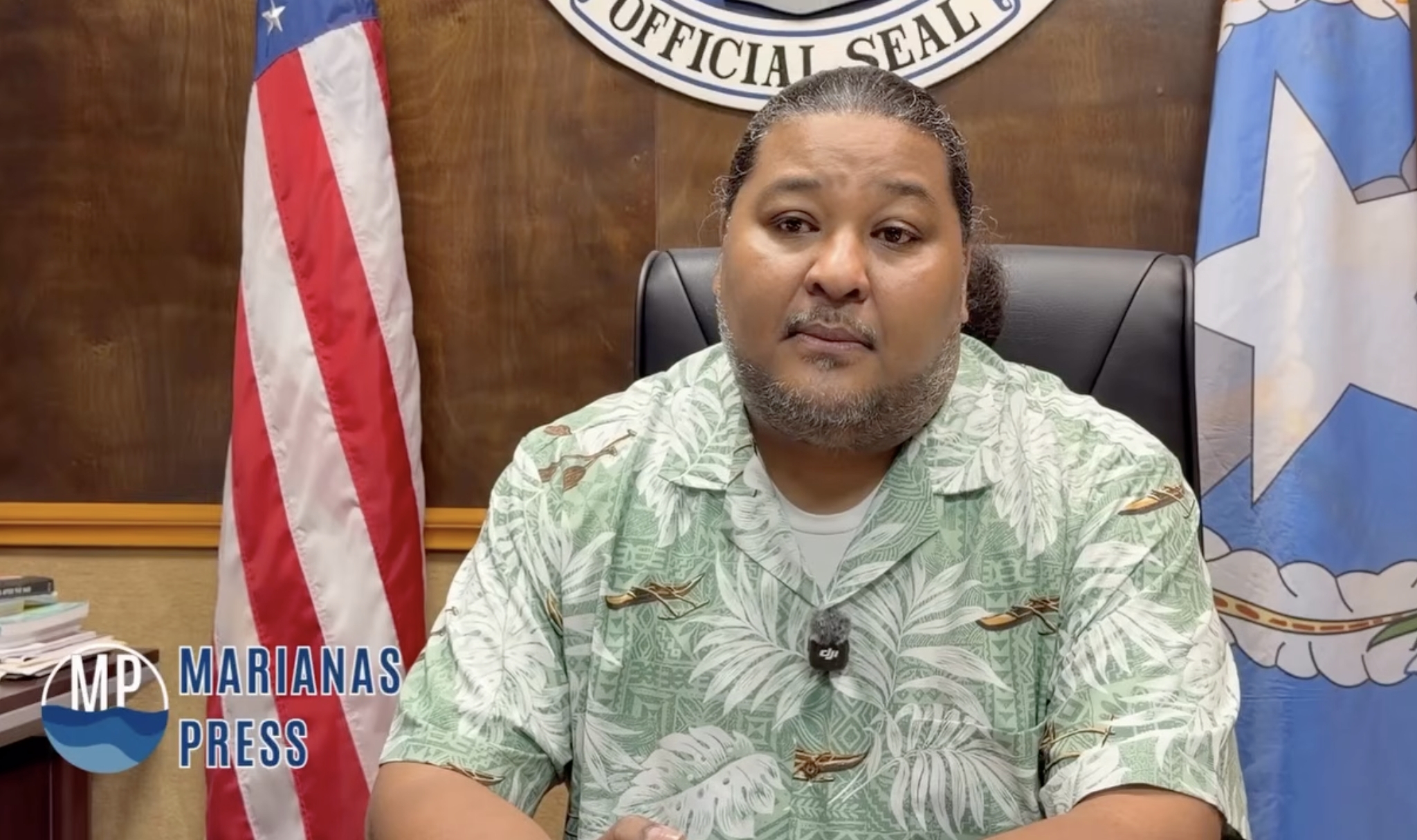
Following the consecutive devastations of Typhoons Sinlaku and Bavi, CNMI Governor David Apatang provided a comprehensive update on the Commonwealth's recovery progress, pushing back against proposed utility rate hikes and detailing ongoing coordination with federal relief partners.
In a recent interview, Governor Apatang addressed the state of utility restoration across the islands, the financial hurdles of disaster response under a local deficit, and the critical assistance from organizations like FEMA and World Central Kitchen.
While significant strides have been made, particularly with water services, power grid restoration remains an ongoing challenge for the Commonwealth Utilities Corporation (CUC).
"They're pretty much in good shape on Saipan. I know that CUC is still working on a lot of restoration in some areas," Apatang noted. "I think we're at 100% on Saipan, and Tinian is also 100% on water, but we still have situations on power on Tinian."
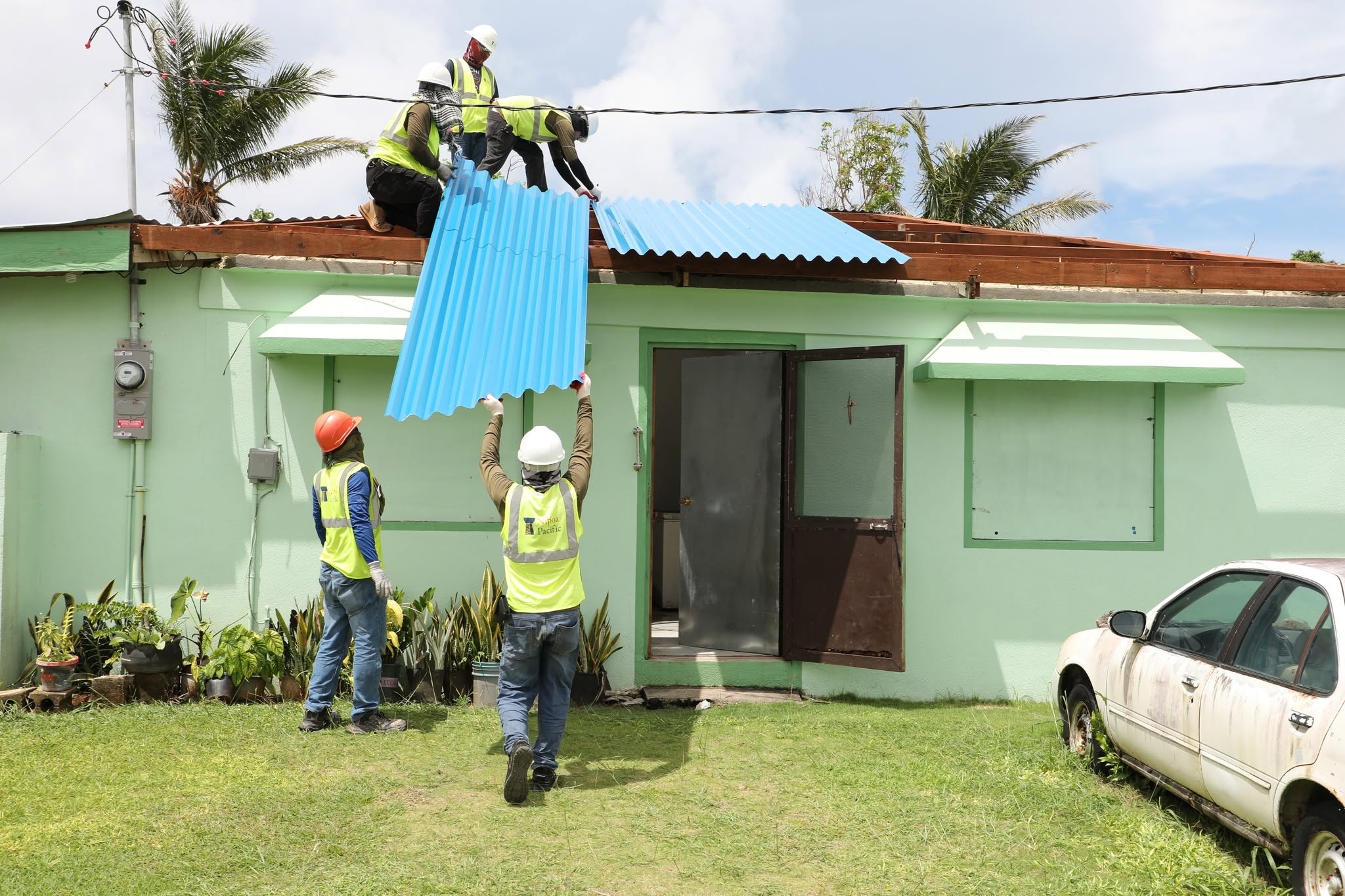
The governor emphasized that while water service is restored on Rota, power infrastructure remains the priority for the island's residents. Crews are actively working on the ground, supplemented by outside assistance, to bring Rota’s power grid back online.
Addressing recent announcements by the CUC regarding an increase to the Fuel Adjustment Charge (FAC), Apatang expressed firm opposition, citing the ongoing struggles of CNMI resident’s post-typhoon.
"Well, I'm not too enthused about increasing fuel adjustment at all," Apatang stated flatly. "We have to find a way how to reduce costs, you know, for people, especially when we're suffering as it is. So, we're going to sit down and take a look at how to cut costs everywhere possible."
The governor also voiced caution regarding CUC's proposal to borrow $40 million, noting that the legislature will need to thoroughly review the measure. "We really need to sit down and consider that bill and make sure that things are done properly before we even sign it into law."
When asked to compare the current federal response to historic storms like Typhoons Soudelor and Yutu, Apatang pointed out that the local government's financial landscape is vastly different today.
"Typhoon Soudelor actually is a different situation... but this time with Typhoons Sinlaku and Bavi, it's a different situation where we're operating under a deficit," he explained. "The money that we're spending now to recover is coming out of our [general fund]. Hopefully, we can work together with FEMA and get some reimbursement from them as soon as possible, so we can restore those funds."
Despite the fiscal challenges, Apatang praised the swift and sustained presence of federal agencies and non-governmental organizations on the ground.
"I'm very happy that the federal partners are here—FEMA, they're still here on island... The Corps of Engineers, DPW, and all our federal partners, the NGOs, American Red Cross," Apatang said. He offered special praise for volunteer food-relief teams: "I want to say thank you to the World Central Kitchen for coming back to help our people... providing meals on Rota."
Concluding the interview, Gov. Apatang issued a direct message to the people of the CNMI, acknowledging the difficulties of living without basic utilities while urging a shift in how the islands stockpile emergency infrastructure.
"Thank you very much for your patience. I know there's a lot of frustration with Sinlaku and Bavi. Everybody wants to have power and water right away," Apatang said.
Moving forward, he urged utility agencies to keep a heavier stockpile of essential equipment. "I even ask CUC too, that we start thinking about stocking supplies—like power poles, generators, transformers, or wire. Knowing that this area acts as a typhoon alley, we always have to prepare ourselves for that kind of situation."
Share this article: