Gubernatorial bets put schools, retirees atop budget priorities
Protect education, health care, public safety, and retirees, while cutting government spending, transitioning workers to private-sector jobs, and rebuilding the economy.
Those were among the fiscal prescriptions offered by the three gubernatorial bets when they were asked what their proposed government budgets would protect—and what they would cut—amid the CNMI’s worsening revenue crunch.
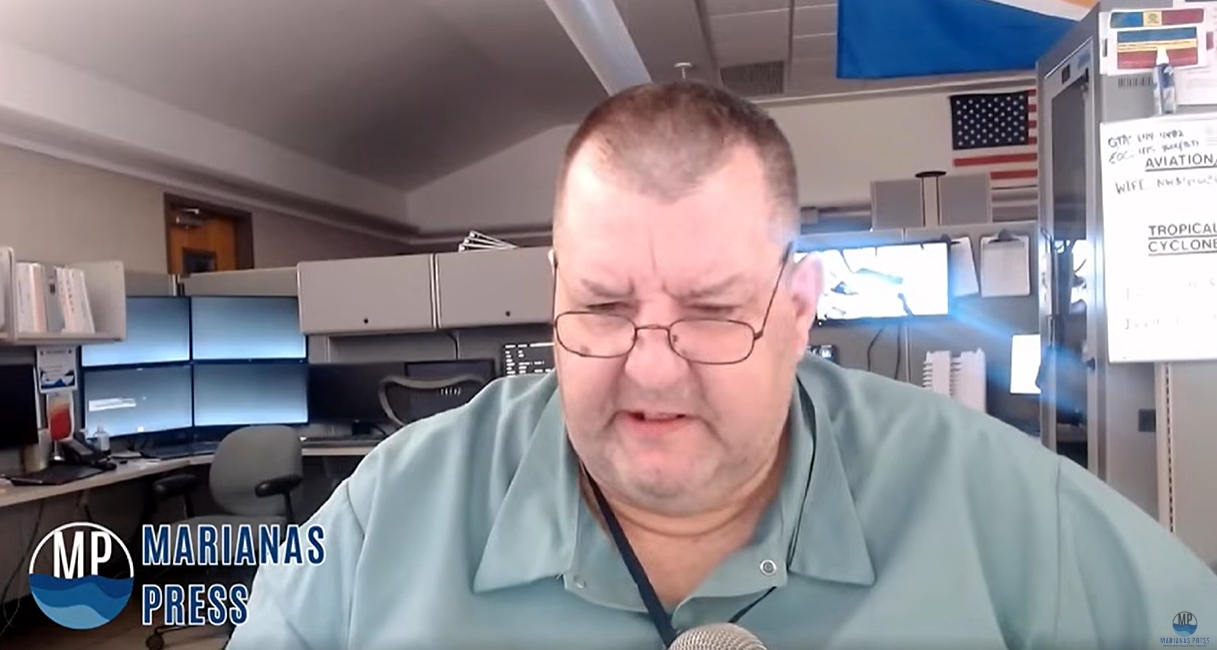
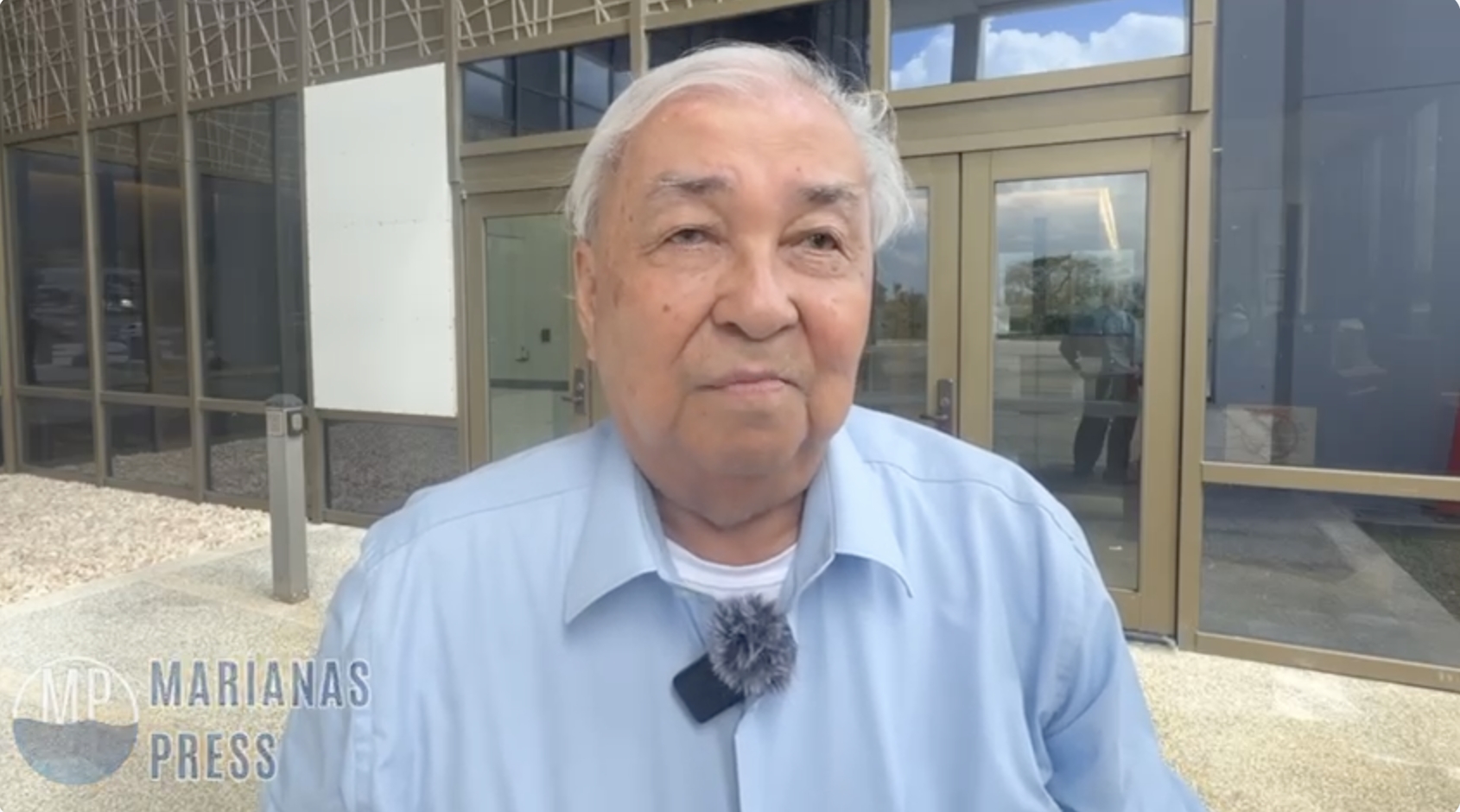
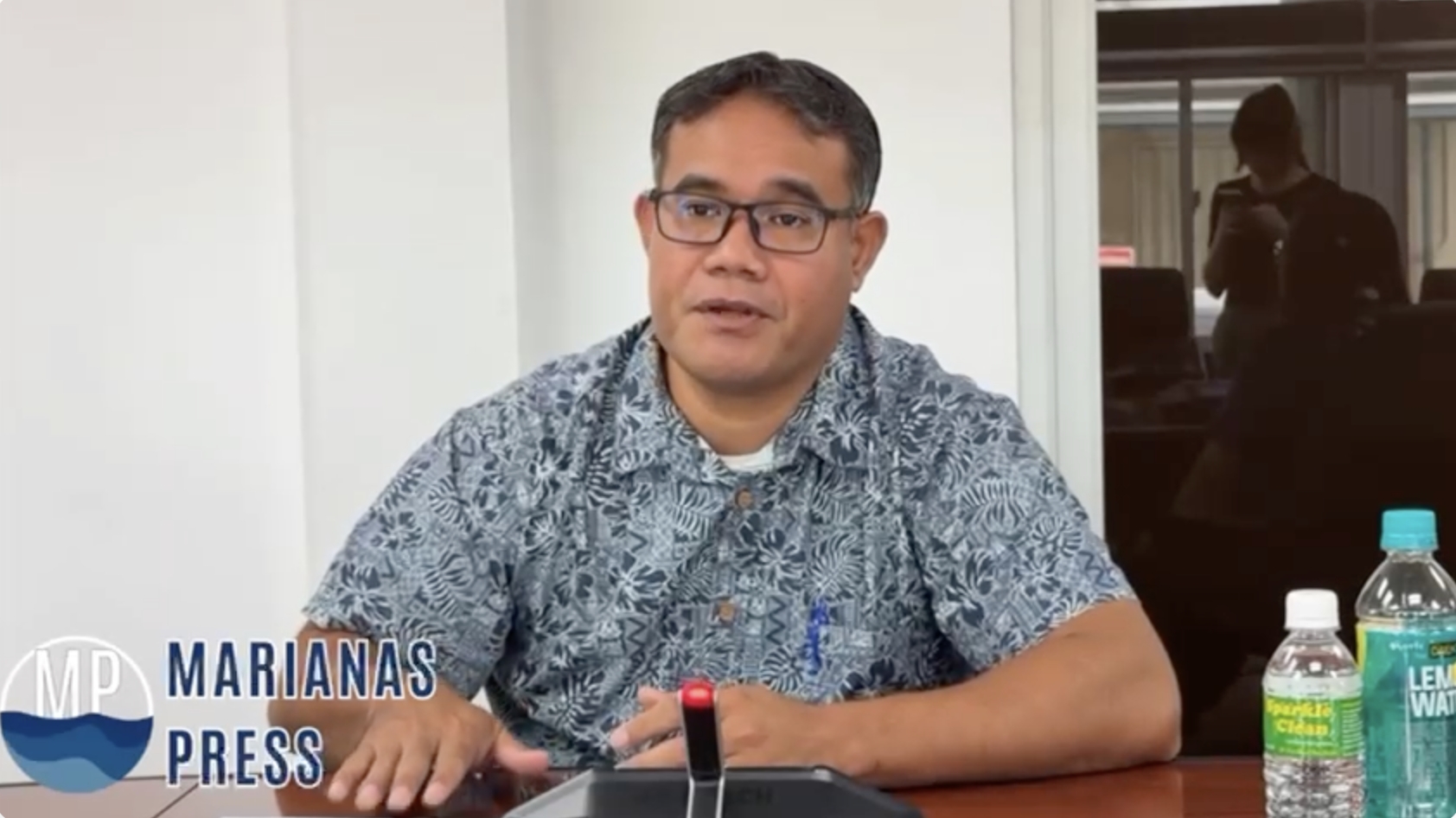
Independent gubernatorial bets Blas Jonathan “BJ” T. Attao and Lawrence F. Camacho and CNMI Republican Party gubernatorial bet Ralph DLG Torres tackled the budget during the fourth question of the Marianas Press 2026 gubernatorial debate last Aug. 18 at Pacific Islands Club Saipan’s Charley’s Cabaret.
Moderator Thomas Manglona II asked: “If your administration were to send a budget to the Legislature today, what would it look like? What would your administration cut, what would it keep, and why?”
The budget question was the fourth of 11 posed during the debate.
Camacho, a former Education commissioner, acknowledged that the next administration would inherit an already difficult fiscal situation after taking office during the second quarter of fiscal year 2027.
He cited scenarios presented to the Legislature involving reduced government work hours or the possible furlough of hundreds of employees.
Camacho said his administration would protect education, health care, and public safety while reviewing the government’s finances and determining where spending reductions could be made.
“The key things that we're going to be prioritizing, obviously, is the education, the essential services of public safety, and health,” Camacho said.
Camacho said he and running mate and former Senate president Edith Deleon Guerrero would examine the government’s books before deciding where cuts should fall. He said Deleon Guerrero’s experience with government finances was among the reasons he selected her as his running mate.
Camacho also called for “right-sizing” the government and creating private-sector opportunities for public employees so government would not remain their only employment option.
Attao, a longtime House representative, said spending reductions under his administration would begin with him and running mate and House Speaker Edmund S. Villagomez.
“We will make cuts, first and foremost, from ourselves,” Attao said. “We want to start from us.”
Attao said he and Villagomez would set an example for government agencies by reducing spending at the top.
He also proposed working with the private sector to retrain government employees for jobs in fields such as accounting and heating, ventilation, and air conditioning. He said Northern Marianas Technical Institute and Northern Marianas College could help prepare workers for private-sector positions.
Attao said his administration would use Pell Grants and other available resources to support workforce training, although he questioned whether the private sector had enough positions—and adequate wages—to absorb employees leaving government service.
“We will make the cuts, and it's going to start from us,” Attao said. “But we will also leverage other external monies to make sure that we cover and we take care of the most important issues, healthcare, education, public safety, our retirees.”
Torres, a former governor, said his first budget priority would be protecting the Public School System, followed by funding for retirees.
“I would take PSS budget, put it aside. That's not negotiable,” Torres said.
Torres said reductions in education spending ultimately hurt the CNMI’s future and pointed to the cancellation of some instructional days amid PSS’ financial difficulties.
“Take that PSS money out. Put money for the retirees. Then we deal with whatever we have to deal with,” Torres said.
Rather than focusing exclusively on cuts, Torres said his administration would seek to rebuild the economy and government revenue.
Torres blamed the CNMI’s current financial difficulties on the economy’s decline since he left office, citing airline service reductions, shrinking government budgets, possible furloughs, and a workforce he placed at about 15,000 jobs.
The gubernatorial bets then got a minute each for rebuttal.
Attao used his rebuttal to challenge Torres’ record, saying the former governor responded to an earlier revenue shortage by imposing reductions across government.
“The first thing he was talking about was cutting across the board. And he did. He cut 13% across the board, including the Public School System, including public safety,” Attao said.
Attao also said funding available during Torres’ administration included federal pandemic assistance rather than solely locally generated revenue. He credited former Delegate Gregorio Kilili C. Sablan with helping secure federal money for the CNMI.
Torres disputed Attao’s characterization of his record and asked to see the report supporting Attao’s claim about the 2019 cuts.
“For my record, I have never shortchanged,” Torres said.
Torres acknowledged that retirees experienced payment problems during his administration but said the government ultimately repaid them. He also maintained that PSS was not subsequently cut.
Torres again argued that economic growth was the long-term answer to the CNMI’s budget problems, citing the Commonwealth’s economic performance during his administration and federal assistance secured through his relationship with President Donald Trump.
“Build the economy. Continue to build the economy,” Torres said.
Camacho used the final rebuttal to criticize both opponents, questioning how the CNMI reached its current financial condition after both had served in government.
Camacho said CNMI leaders should have anticipated changes in the tourism market and used the millions of dollars entering the Commonwealth to build stronger and more sustainable small businesses.
He specifically questioned whether money from the Building Optimism, Opportunities, and Stability Together, or BOOST, program had produced lasting benefits for small businesses.
Camacho said his administration would prepare families for possible furloughs by expanding workforce training and technical education and helping affected employees qualify for private-sector jobs.
Share this article: