Gubernatorial hopefuls lay out plans for economy, healthcare, and first 100 days
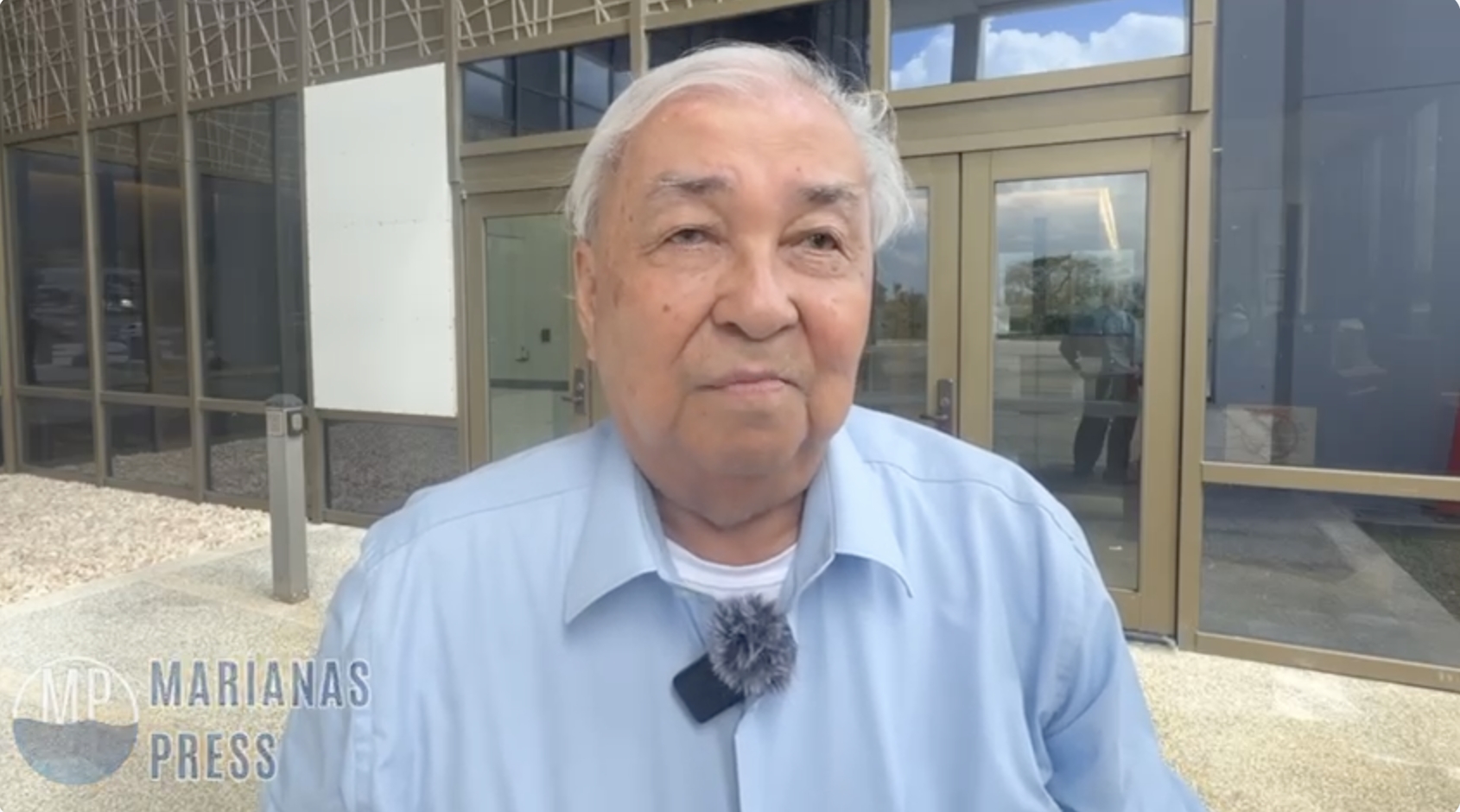
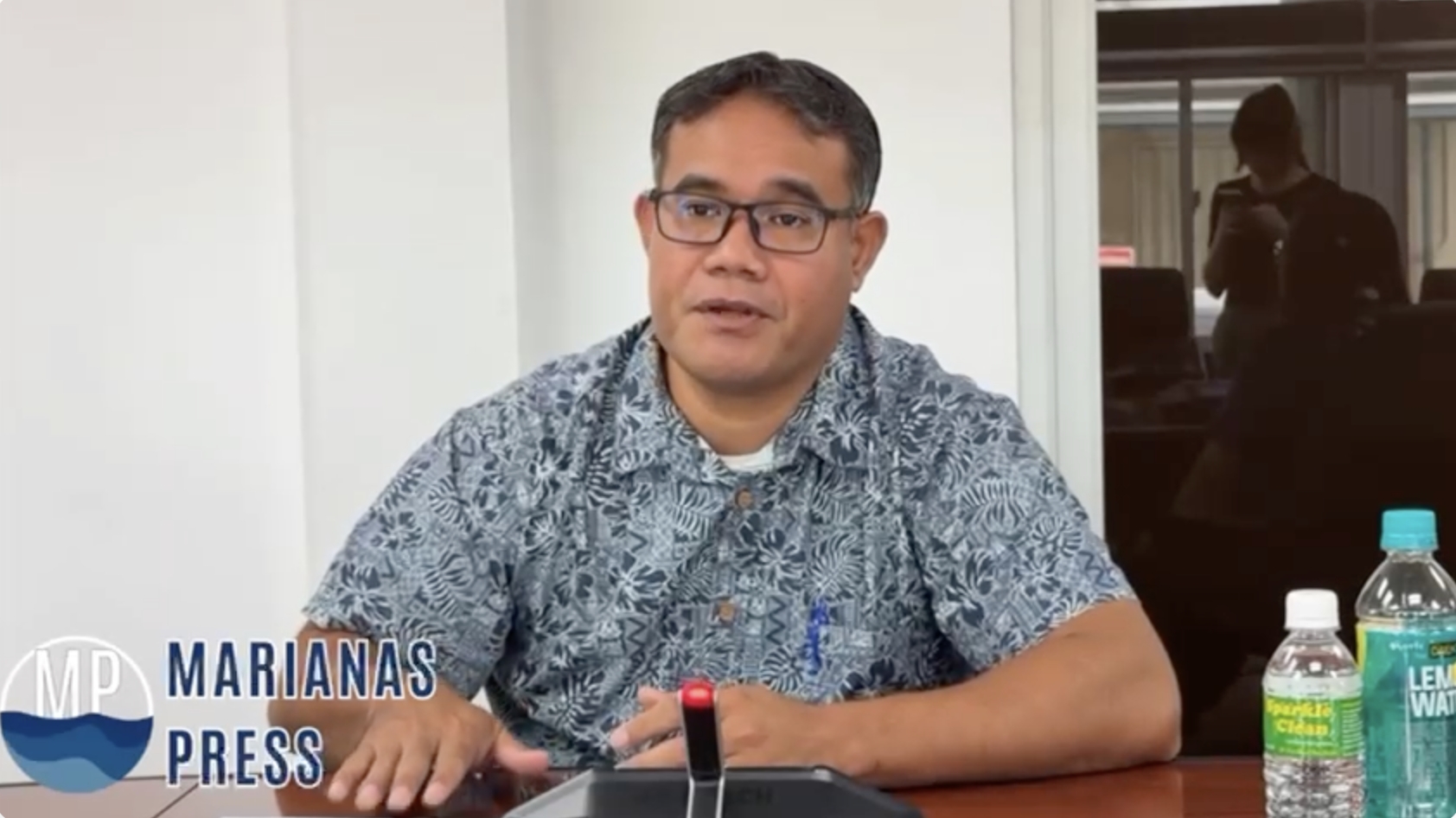
The three candidates for CNMI governor outlined their plans to revive the economy, improve healthcare, attract investment, and restore government accountability as the Saipan Chamber of Commerce concluded its 2026 Gubernatorial Candidate Debate on Thursday, Oct. 8.
Independent candidates BJ Attao and Lawrence F. Camacho, along with Republican Ralph DLG Torres, returned to the Gilbert C. Ada Gymnasium to answer the five remaining questions from the Oct. 1 debate, which was cut short by a power outage during Tropical Storm Choi-wan.
The candidates tackled healthcare, military development, deep-sea mining, tax policy, and what they would accomplish during their first 100 days in office.
On their first 100 days, Attao pledged to clean up government financial records and address overdue audits, which he said have made it difficult for the CNMI to obtain federal grants.
"We need to clean the books. We need to fix our audits. We need to get the information to the federal government," Attao said.
He said his administration would also improve government efficiency and ensure public employees respond promptly to residents.
Torres, meanwhile, said his administration would immediately organize energy and tourism summits to attract investors and address the CNMI's power and airline challenges.
He said his goal would be to secure agreements with one or two airlines within his first 100 days.
"So again, our first 100 days, do an airline summit, energy summit, beautify CNMI," Torres said.
Camacho said his first priority would be to restructure government, closely monitor finances, and protect essential public services.
He also pledged to establish a small-business economic recovery plan to prevent further business closures.
On healthcare, Attao proposed bringing mobile clinics to villages and investing more in preventive care instead of waiting until residents become seriously ill.
"Preventative care is where we should go," he said.
Attao also called for stronger measures against betel nut use and vaping, particularly among young people.
Torres proposed working with the CNMI's delegate to Congress to increase federal Medicaid funding and expanding Northern Marianas College's nursing program.
He also suggested giving government employees four hours of paid annual leave as an incentive to undergo yearly medical checkups.
Camacho focused on the medical referral program, questioning the gap between its funding and actual expenditures.
"We cannot be appropriating $2 million for medical referral when they're spending annually $15 million to $18 million. There's a problem there," he said.
He proposed reforms to speed up referrals, reduce costs, and strengthen local medical services.
On military development, Attao said military contractors should register locally, pay applicable CNMI taxes, and provide more opportunities for local businesses.
"Follow the money, find the money, and get the money," he said.
He also proposed a disadvantaged business enterprise program to help minority-owned and women-owned businesses secure military and federally funded contracts.
Torres said he would work with federal defense officials to identify workforce needs and coordinate training through local educational institutions.
Camacho proposed a new strategic partnership with Washington, D.C. that would link U.S. military readiness with CNMI economic development and self-sufficiency.
He said Covenant Section 902 consultations should be among his administration's first priorities.
On deep-sea mining, the three candidates agreed that the CNMI should have a voice in any proposed development, although they differed in their approaches.
Torres said the government should consider the potential investment while examining environmental safety and long-term economic benefits.
Attao said residents must first receive sufficient scientific and environmental information before deciding whether the industry should proceed.
Camacho called for independent environmental studies, public disclosure of scientific findings, financial guarantees for environmental damage, and legally enforceable restoration plans.
"All monitoring must be paid for by the developer," Camacho said.
On taxation, Attao proposed strengthening tax enforcement and restoring a task force to collect unpaid taxes.
Torres favored lower taxes to attract investment while improving collection through a real-time electronic reporting system.
Camacho opposed relying on additional taxation to address the government's financial problems.
"But one thing I would like to make clear is that we will never tax ourselves out of this situation," he said.
In their closing statements, the candidates made their final appeals to voters ahead of the Nov. 3 election.
Attao, running with former House Speaker Edmund S. Villagomez, emphasized public trust and responsible spending.
"We will respect our businesses and workers, not waste your money," he said.
Torres, whose running mate is Benjamin Jones, criticized the current administration's handling of the economy and urged voters to support his campaign to revive the Marianas.
"Revive our CNMI, revive our economy, revive our five-day school week, revive our retirees’ pension," he said.
Camacho, meanwhile, criticized what he described as failed political leadership and called for greater accountability and a change in government direction.
"We have to hold people accountable. Holding people accountable is the right thing to do," he said.
The debate, moderated by Leo Pangilinan, concluded after the candidates delivered their closing statements.
Share this article: