Hofschneider pushes study of nuclear power options for CNMI
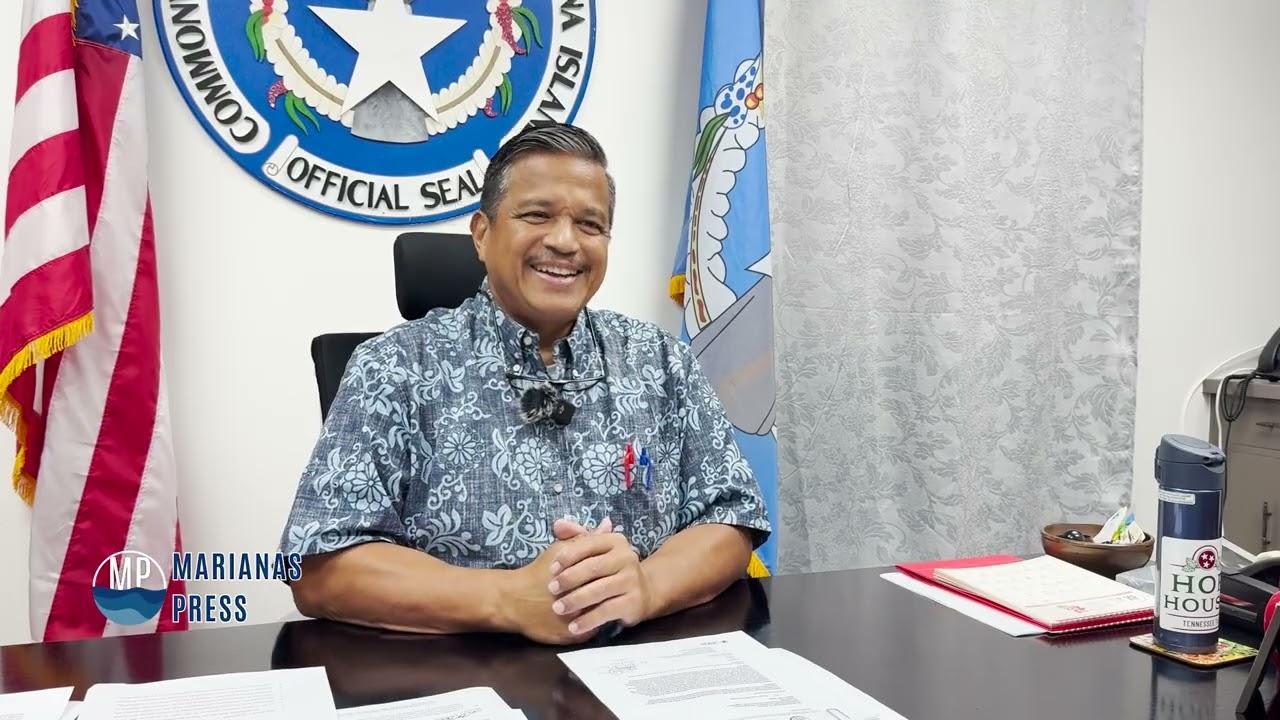
Sen. Jude U. Hofschneider has pre-filed a resolution expressing support for the study and potential deployment of advanced nuclear energy technologies in the Commonwealth, arguing that the CNMI must explore every viable option to address soaring electricity costs and strengthen long-term energy security.
Senate Joint Resolution 24-05 calls for continued evaluation of advanced nuclear technologies, including Small Modular Reactors and microreactors, in partnership with the U.S. government. Hofschneider emphasized that the measure does not authorize the construction of any nuclear facility but instead seeks to begin a public discussion on whether emerging nuclear technologies could help reduce the CNMI’s dependence on imported fuel and stabilize power costs.
“This resolution does not authorize or mandate the construction of any nuclear facility. Rather, it opens the door for serious discussion, study, and evaluation of an energy option that could provide long-term price stability, energy security, and greater resilience for the CNMI,” Hofschneider said.
The senator said recent increases in the Fuel Adjustment Cost, including a 20-cent hike, have intensified concerns among residents and businesses about the CNMI’s dependence on imported petroleum products. He noted that fluctuations in global fuel prices remain largely beyond the Commonwealth’s control.
According to the resolution, the Commonwealth remains heavily dependent on imported fuel and vulnerable supply chains for electricity generation. The measure also cites the impact of Super Typhoon Sinlaku, saying the storm exposed weaknesses in the CNMI’s power generation and fuel offloading infrastructure.
The resolution further points to the CNMI’s strategic role in the U.S. defense posture in the Western Pacific and argues that resilient energy infrastructure would strengthen both civilian emergency preparedness and national defense capabilities.
Hofschneider said advanced nuclear technologies being evaluated by the U.S. Department of Energy and U.S. Department of Defense could offer a pathway toward reliable, clean and affordable energy while reducing reliance on imported fossil fuels. He acknowledged, however, that the Commonwealth lacks the financial resources to independently pursue such projects and would require federal investment, technical expertise and oversight.
“Importantly, the CNMI does not have the financial capacity to independently fund such large-scale energy infrastructure. That is why a partnership with the federal government is essential,” Hofschneider said.
The resolution references Public Law 17-10, which amended the CNMI’s Nuclear and Chemical Free Zone Act to permit certain U.S. Department of Energy-approved Small Modular Reactor technologies for power generation under specified safety conditions. It also cites advances in reactor design that have improved safety systems, environmental protections, reliability and resilience.
If adopted, the resolution would encourage federal agencies, including the Department of Defense, Department of Energy, and Nuclear Regulatory Commission, to consider Saipan, Tinian, and Rota for feasibility studies, pilot programs, demonstration projects and potential future deployment opportunities involving advanced nuclear technologies.
The measure also stresses that any future consideration of nuclear energy in the CNMI must prioritize public safety, environmental stewardship, transparency, community engagement, affordability, long-term rate stability and compliance with federal and Commonwealth laws. It further calls for responsible federal planning for the handling, transportation, storage and disposal of spent nuclear materials.
Hofschneider acknowledged that nuclear energy remains a subject that raises legitimate questions among residents and said any future discussion must be transparent and inclusive.
“I understand that nuclear energy is a topic that generates questions and concerns. Those concerns are valid and deserve open, transparent, and informed discussion,” he said.
He added that if the CNMI ever moves toward advanced nuclear technologies, the process must be guided by “public safety, environmental stewardship, affordability, community engagement, and strict compliance with all federal and CNMI regulations.”
Hofschneider said the resolution's primary purpose is not to advance a specific project but to ensure the Commonwealth has a seat at the table as new energy technologies are considered for strategic and remote U.S. jurisdictions.
“The purpose of this resolution is simple: to start the conversation and ensure that the CNMI is not left behind as the United States explores innovative energy solutions for strategic and remote communities,” he said.
Reiterating his rationale for introducing the measure, Hofschneider added: “We owe it to our people to examine every viable option that could lower electricity costs, strengthen our energy independence, and create a more stable future for generations to come.”
He also invited public feedback as lawmakers continue deliberations.
“Please share your thoughts and comments as we continue deliberation on this important discussion,” Hofschneider said.
Share this article: