Hydrogen firm touts 30%-40% power savings, CNMI export potential
A renewable energy company says its hydrogen power technology could cut electricity costs in the CNMI while turning the Commonwealth into an exporter of hydrogen and medical-grade oxygen.
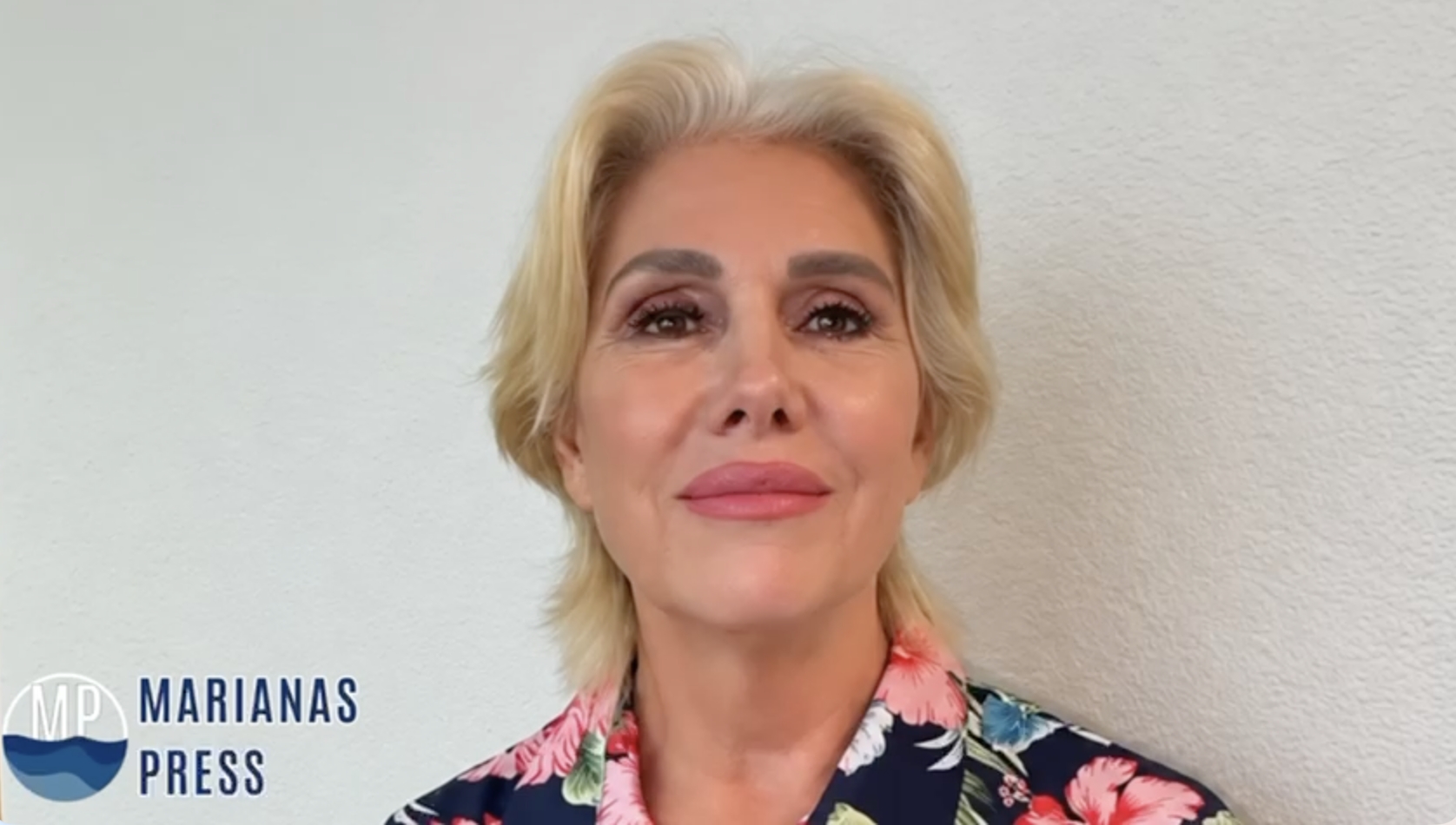
Anthony Declue, CEO of Freedom Renewable Energy Group in the United States and Freedom Renewable Energy Corp. in the Philippines, said his company remains interested in bringing its technology to the CNMI as the Commonwealth Utilities Corp.'s proposed $245-million solar power agreement with Eastern Power Solutions hangs in the balance.
In a Zoom interview with Marianas Press on Oct. 25, Declue said his company projects electricity cost reductions of about 30% in Ukraine and 30% to 40% in the Philippines.
Declue said similar savings could be possible in the CNMI, although actual rates would depend on engineering studies and negotiations. His company's Philippine energy campuses are still being completed, and the projected savings have not been independently verified.
“I can't invent a number for you. Anyone who hands you an exact figure today is guessing,” he said.
Declue proposes building an island energy campus that would produce hydrogen for electricity generation while capturing oxygen and potentially producing water for export.
He said revenue from these products could help lower electricity costs and provide the CNMI government with an additional income source through a public-private partnership.
“My money's made through the trade routes of oxygen and hydrogen and water,” he said.
The proposal comes as the Commonwealth Public Utilities Commission reviews CUC's proposed 25-year agreement with Eastern Power Solutions to purchase solar-generated electricity at 18.5 cents per kilowatt-hour.
Eastern has warned it could withdraw unless the agreement is executed by Oct. 31. CPUC is expected to act on the agreement by Oct. 29, although approval is not assured.
Declue criticized the proposed contract's length and suggested shorter agreements subject to renewal based on performance.
“I would say that a 25-year contract would not be the thing to go,” he said.
Declue also revealed that he had been discussing his hydrogen proposal with the late governor Arnold I. Palacios and Rep. Marissa Flores before Palacios died in July 2025.
He said plans for a Saipan visit and site surveys stalled after the governor's death. He was subsequently referred to the Commonwealth Economic Development Authority, where he claimed his proposal failed to advance.
Declue also alleged that attempts to obtain assistance from the Department of Public Lands were unsuccessful.
“So it was like I was frozen out of any door that I tried to open to move forward,” he said.
Marianas Press has yet to independently verify his claims with CEDA and DPL.
Despite the setback, Declue said he remains interested in meeting with Gov. David M. Apatang's administration and CUC officials to present his proposal.
He said equipment procurement could take seven to nine months, with additional time needed for installation and construction. Project costs and electricity rates would depend on land availability, engineering studies, and negotiations.
“I would love to have an hour or maybe two hours to sit down with the leadership and be able to explain what I can offer directly,” he said.
Share this article: