Immigration lawyer warns new USCIS policy could trigger humanitarian problem in CNMI
A Saipan immigration attorney warned that a new U.S. Citizenship and Immigration Services policy memo could create a “humanitarian” crisis in the Northern Mariana Islands by forcing many long-time foreign workers and mixed-status families into legal uncertainty or separation.
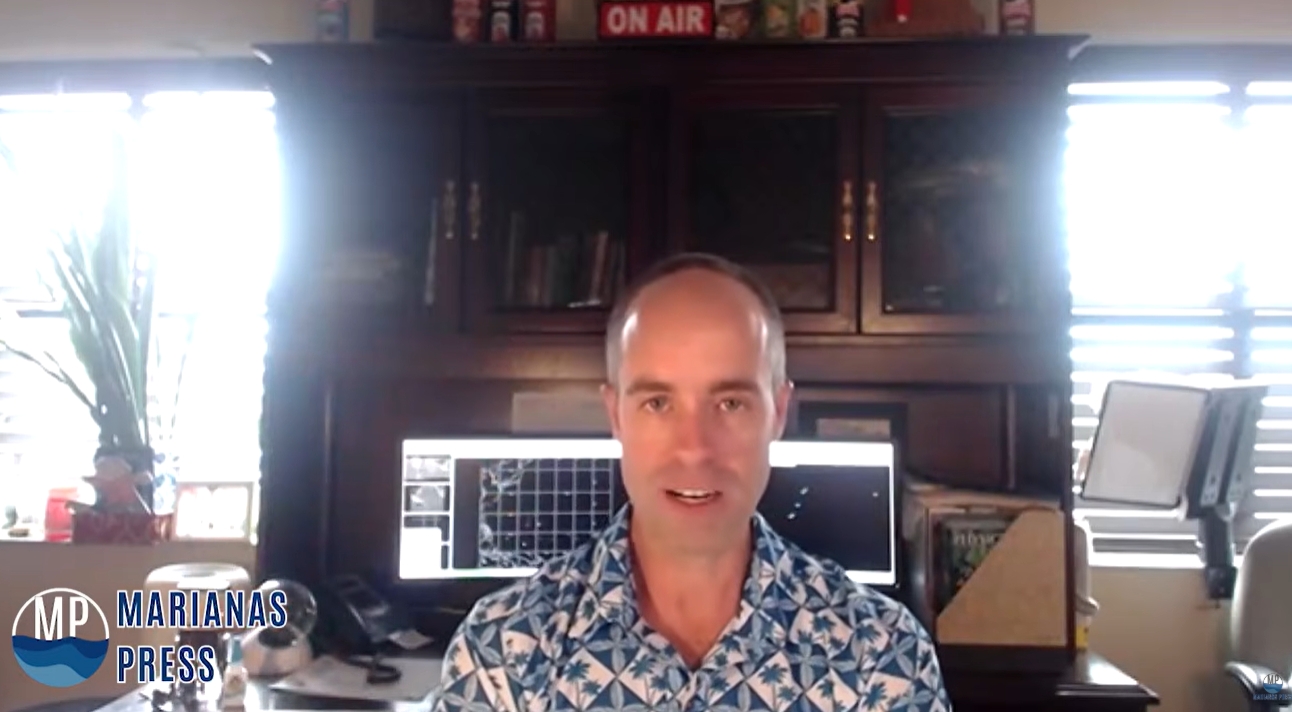
Richard Miller of the law firm Banes, Horey, Nie, & Miller LLC said the policy changes could hit the CNMI especially hard because of its heavy reliance on foreign labor and the large number of workers from Asia seeking permanent residency through adjustment of status.
“If it goes into full effect, it’ll impact the CNMI tremendously,” Miller said, adding that applicants for green cards may be forced to return to their home countries for consular processing, separating families and extending already lengthy immigration timelines.
Miller said the policy appears designed to discourage lawful immigration and reduce the number of immigrants who eventually become U.S. citizens. He argued that additional vetting requirements are unnecessary because many applicants already underwent background checks before entering the U.S. and again during the green card process.
He also accused the Trump administration of disproportionately targeting immigrants from Asia.
“It’s clear that this administration’s policy is to favor people from Europe or European origin and disfavor people from Asia,” Miller said. “So I would imagine that its effect would be even greater here.”
Miller said the CNMI could see broader consequences because many CW workers and long-time residents may have accumulated periods of unlawful presence or unauthorized work history while raising families and contributing to the local economy. Under current immigration law, individuals who leave the U.S. after more than a year of unlawful presence can face a 10-year reentry bar.
He warned that many CNMI residents could unknowingly trigger those penalties if required to leave for consular processing abroad.
“For anyone who has accumulated more than one year of unlawful presence… from the time you leave the U.S., you will be under a 10-year bar to reapply to enter the U.S.,” Miller said.
Miller also said the policy shift sends a troubling signal about the future of the CNMI-Only Transitional Worker program, or CW program, which is set to expire in 2029.
“The general direction of the Trump administration, anti-immigrant direction and anti-foreign worker direction as well, it doesn’t bode well for the future of the CW program,” he said.
The attorney said industries and agencies already struggling to recruit foreign professionals — including the Commonwealth Health Center and the Commonwealth Utilities Corp. — could face additional pressure under increasingly restrictive immigration policies.
Still, Miller emphasized that the most serious impact would not necessarily be economic.
“The biggest problem is its effect on families. It’s humanitarian,” he said. “People who have been here for a long time, have raised families here, and who otherwise qualify for adjustment of status… that they might be cut out from adjusting status to lawful permanent residence is a shame.”
Miller noted that immigration attorneys nationwide are still reviewing the USCIS memo and expect legal challenges over whether the agency can implement the changes without formal rulemaking procedures under federal law.
For CNMI residents worried about how the changes could affect them, Miller urged people to seek legal counsel.
“If you are panicking and you feel that this memo affects your situation, consult an immigration attorney,” he said.
Share this article: