The CNMI Supreme Court questioned why a military veteran suffering from post-traumatic stress disorder was denied access to Mental Health Court without first undergoing a clinical assessment, raising concerns that prosecutors may have prematurely shut the door on treatment through the specialized court program.
During oral arguments held last Nov. 5 at Saipan International School, the justices pressed the Office of the Attorney General over its decision to declare Brandon Russel Camacho ineligible for the program because of the violent nature of the criminal charges against him.
Camacho faces charges of assault with a dangerous weapon and disturbing the peace stemming from an alleged baseball bat attack in a parking lot.
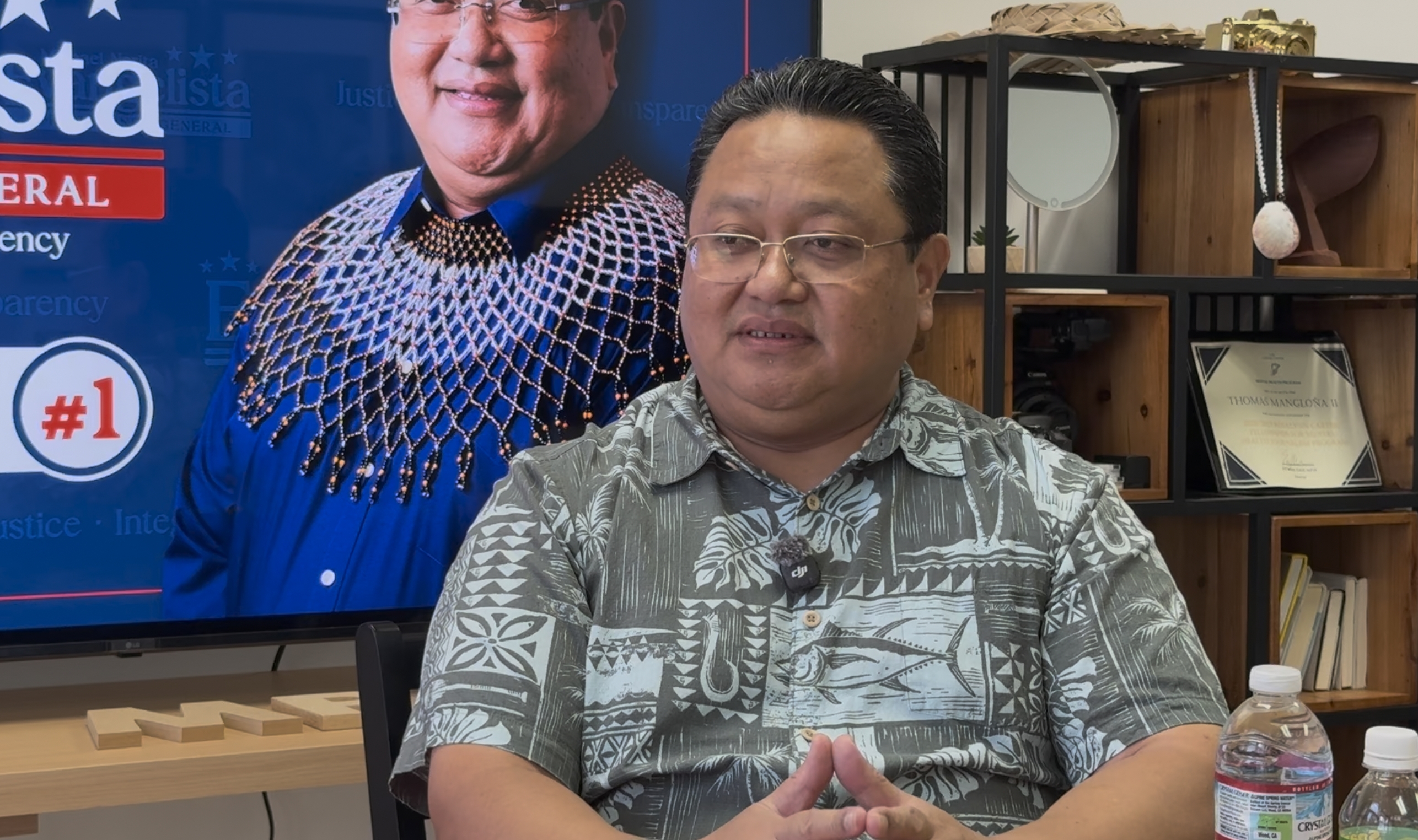
Associate Justice John A. Manglona questioned whether the prosecution's decision defeated the purpose of a court program established to help criminal defendants whose mental health conditions may have contributed to their involvement with the law.
"Now, we set up this Mental Health Court to address illness such as Mr. Camacho's, and then we're shutting the door. Can we just proceed to the assessment before you make that determination to close the gate?" Manglona asked.
"Because I think this is premature," he added.
The exchange came as the Supreme Court heard Camacho's petition for a writ of mandamus seeking an order requiring the Superior Court to direct prosecutors to find him legally eligible for Mental Health Court.
Camacho's attorney, Cong Nie, argued that his client satisfied all seven eligibility requirements under the Mental Health Court Docket Policies and Procedures, which do not expressly identify the violent nature of a pending charge as grounds for disqualification.
Nie maintained that prosecutors could consider public safety and other concerns after clinical screening and a determination of the defendant's suitability for treatment.
"We're arguing that they don't have a discretion, at least as to legal eligibility stage, because those seven factors, they cannot go outside those seven," Nie told the court.
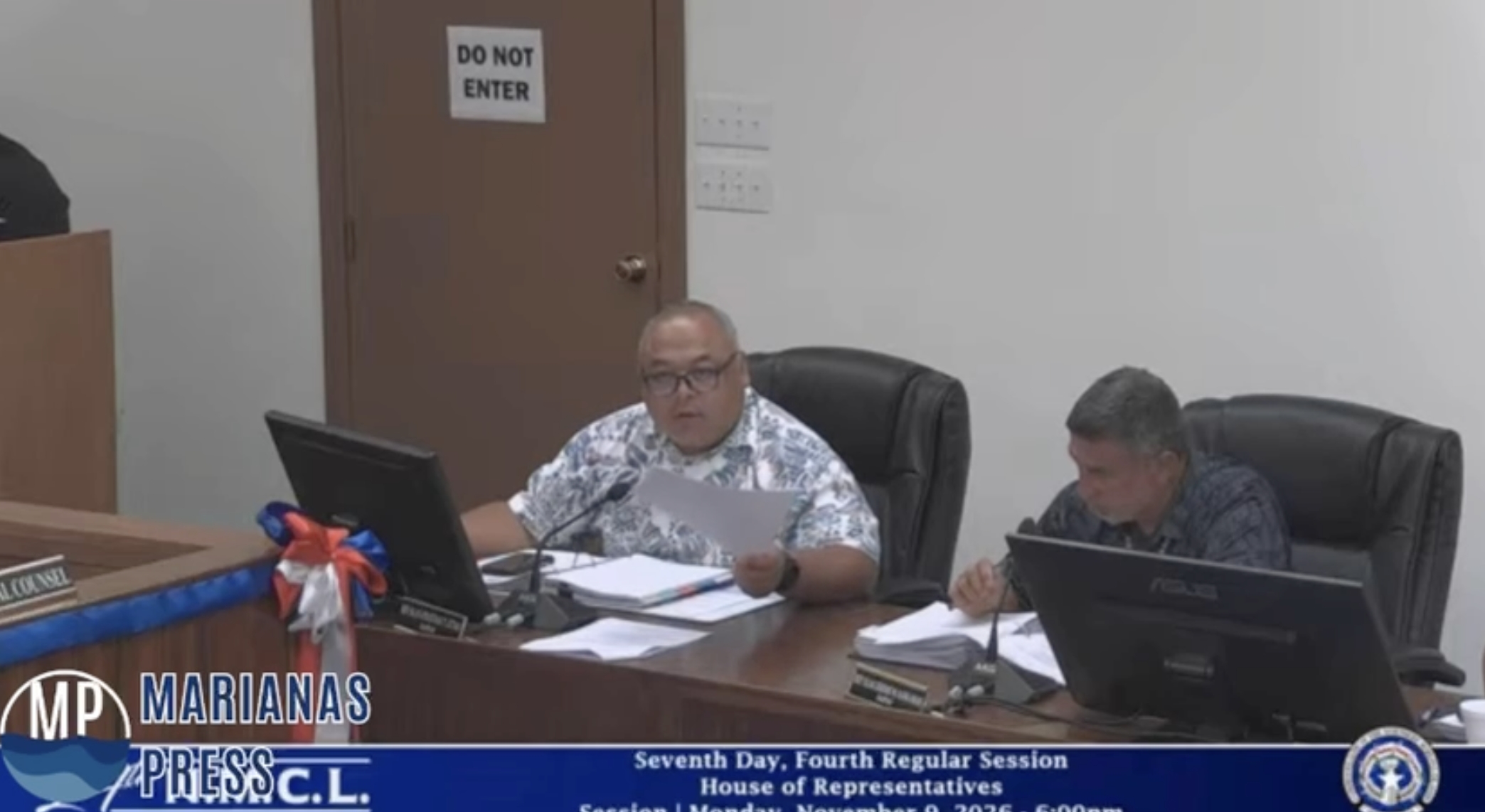
However, assistant attorney general Samantha Vickery defended the prosecution's decision, arguing that the Attorney General's Office has constitutional authority to exercise prosecutorial discretion, including determining whether a defendant should participate in a program requiring a plea agreement.
Vickery also disputed suggestions during questioning that the alleged weapon was a child's rubber or foam bat.
"No, I believe it was a wooden bat, and it severely injured the victim. There were severe injuries here," she said.
"This was not a foam bat where they're just playing around," Vickery added.
She argued that prosecutors have an obligation to protect the community and that the seven eligibility requirements should be considered minimum standards rather than an exhaustive list.
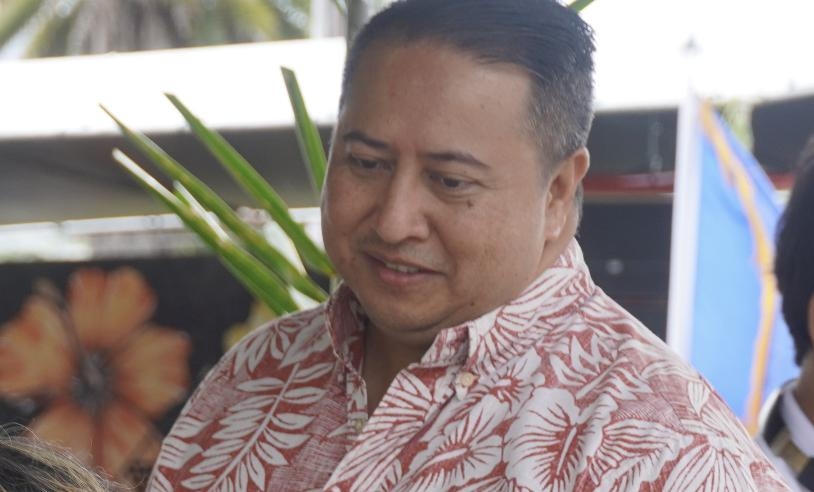
Associate Justice Roberto C. Naraja also drew attention to Camacho's military background and PTSD diagnosis, noting during questioning that the defendant had reportedly received five Purple Hearts.
Manglona, meanwhile, repeatedly questioned why Camacho could not first undergo a clinical assessment to determine whether treatment would be appropriate, with prosecutors retaining their authority to reject a plea agreement afterward.
He also challenged how prosecutors could determine the potential danger posed by an untreated mental health condition without first obtaining an evaluation from a professional.
"How can you say that the public is in danger here when there's no intervening assessment by a therapist?" Manglona asked.
Vickery maintained that prosecutors had made an informed decision based on the circumstances of the alleged offense. She also warned that allowing defendants to undergo clinical evaluations before prosecutors decide whether to participate in a plea agreement could expose them to self-incrimination without adequate legal protections.
She argued that postponing the prosecution's decision would improperly interfere with its constitutional authority and that changes to the existing procedures would be necessary.
Vickery also noted that defendants could receive counseling through the regular criminal justice process without necessarily being admitted to Mental Health Court.
The Mental Health Court Docket is a voluntary program within the Superior Court that provides supervision and treatment for eligible criminal defendants with mental health conditions. It is not a separate court.
The case could clarify the extent of prosecutorial discretion in determining eligibility for Mental Health Court and expose possible weaknesses in the program's existing policies and procedures, particularly concerning defendants charged with violent offenses.
Chief Justice Alexandro C. Castro announced that the court would take the matter under advisement and issue a written decision.
Manglona subsequently noted that the ruling would guide attorneys and trial judges in future cases and could help identify provisions in the existing policies that may require amendments.
Castro, Manglona, and Naraja heard the arguments as part of the Judiciary's community outreach program at the school.
Share this article: