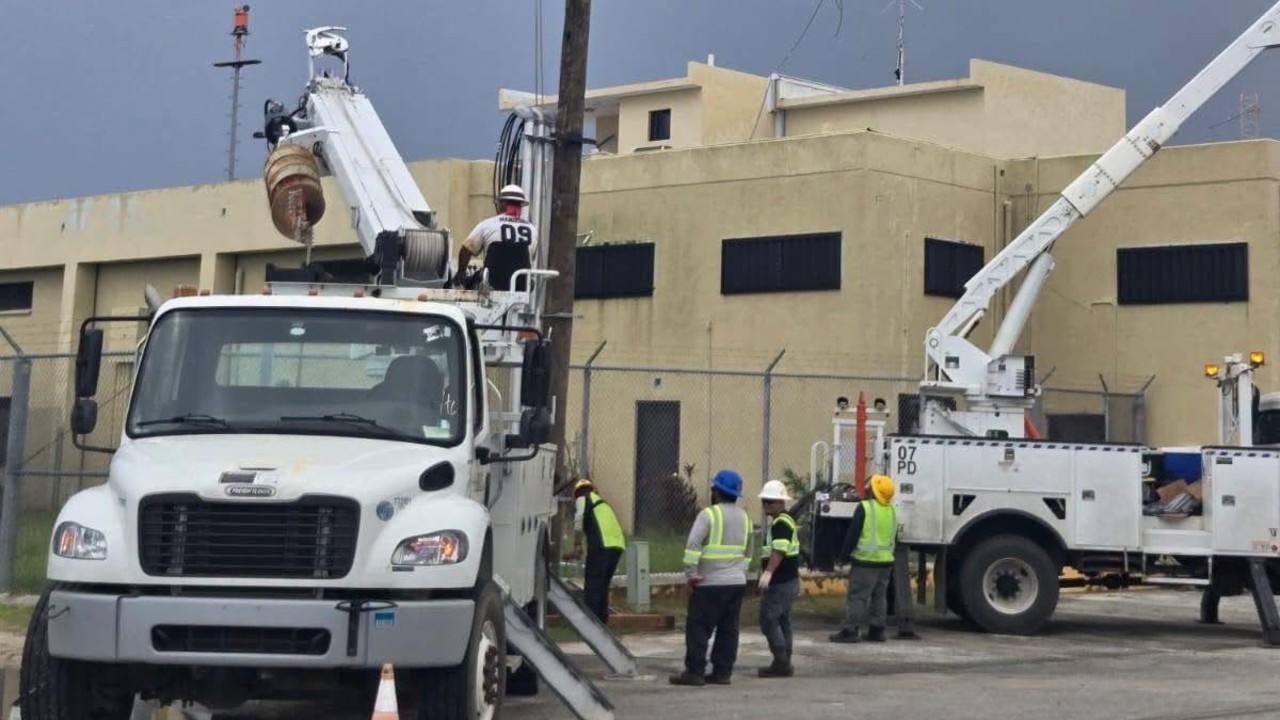
The Kagman Community Health Center has reopened in limited capacity with the help of Samaritan's Purse, operating out of donated tents and serving a modest but steady stream of patients in the aftermath of Super Typhoon Sinlaku.
“We actually opened on Monday, April 27. We were only able to open because we got assistance from the Samaritan’s Purse,” said public information officer Anthony Reyes, noting the group provided pop-up tents that allowed the clinic to resume operations.
The temporary setup was completed over the weekend, enabling the facility to begin seeing patients at the start of the week. Since reopening, the clinic has handled about 16 patients daily, with a mix of scheduled visits and walk-ins, according to Reyes.
Operations remain limited, with the center running on a skeleton crew. Staffing currently includes a registration clerk, personnel administering post-typhoon patient needs surveys, one nurse manager handling triage, and a single medical provider. For the first two days, that role was filled by physician assistant Alex Johansen.
Reyes said the clinic is still compiling data on the most common medical complaints among patients seeking care.
Across its network, operations vary. The San Antonio clinic has already resumed normal hours—from 8am to 4pm, Monday to Friday—while Kagman and Tinian are on reduced schedules, currently open from 9am to 3pm on weekdays, but it varies week to week, according to Reyes.
The Tinian facility, however, sustained heavy damage, with no clear timeline yet for a full return to its main building.
Efforts are underway to secure resources needed to restore full operations. Reyes said leadership, including CEO Dr. Cindy P. Hoepner, is focused on bringing services back to normal as soon as conditions allow.
“Our commitment to the island of Saipan and Tinian remains unchanged,” Reyes said. “At the moment, we’re an operating skeleton group, but once we can go back to our facility, we’ll be able to adequately staff it and see more patients.”
Among the immediate challenges are consistent access to fuel, water, and staffing, all of which continue to hamper recovery efforts.
Share this article: