King-Hinds urges USCIS fixes; Woodruff says move ‘long overdue’
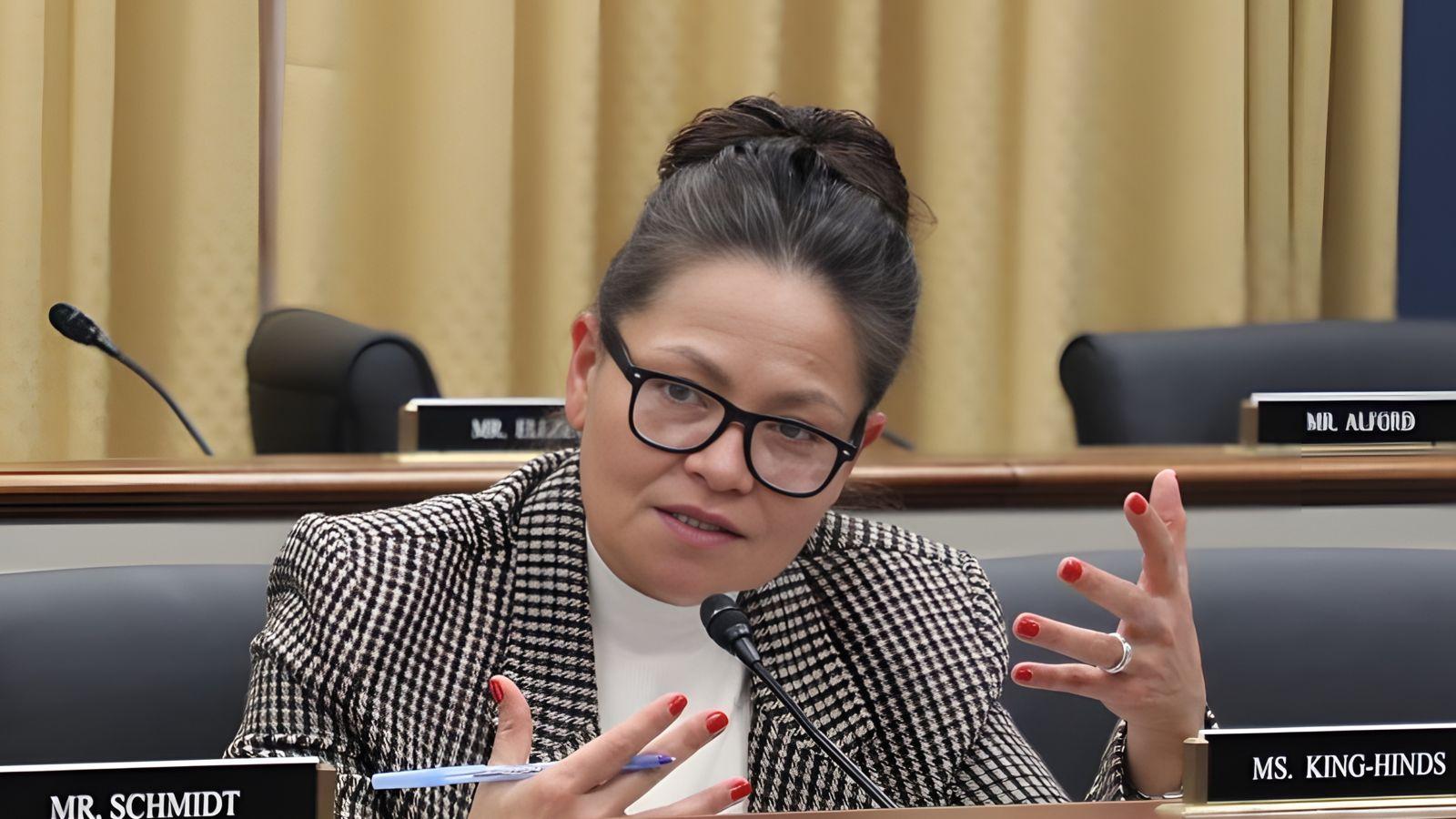
Delegate Kimberlyn King-Hinds is asking U.S. Citizenship and Immigration Services to implement automatic extensions for timely filed renewals, issue clearer guidance on application handling, and create a dedicated expedited processing track for CNMI Long-Term Resident Employment Authorization Document renewals.
Immigration attorney Stephen Woodruff, however, said the move was “long overdue,” arguing that CNMI long-term residents have remained legally authorized to work despite expired documentation and that clearer guidance should have been issued earlier.
In a March 30, 2026, letter USCIS Director Joseph B. Edlow, King-Hinds warned that as much as 10% of the Commonwealth’s workforce could be affected by ongoing issues tied to EAD renewals.
“Businesses across the CNMI and the broader workforce are at risk of losing access to a significant share of their labor force in the coming months,” she wrote. “Current projections indicate that as many as 10%of workers could be affected.”
She said delays, rejections, and processing gaps are effectively sidelining legally authorized workers.
“Employers rely on valid EADs to satisfy employment requirements, and delays, rejections, or gaps in renewal processing are effectively rendering authorized, legally present individuals unable to maintain employment,” King-Hinds said.
Her office, she added, has received “hundreds of privacy release forms” from affected individuals.
“Applications have been rejected, returned, or non-receipted, often erroneously or without clear justification,” she said.
“The practical effect is that individuals who remain lawfully present and authorized to work in the CNMI are being sidelined from the workforce due solely to administrative disruption,” King-Hinds said, warning of “immediate and systemic” consequences for the economy.
Woodruff said the delegate’s request should have come sooner and been paired with direct guidance to employers.
“She should have done this long ago and also informed employers that under the letter of the law as understood by her office CNMILTRs remained work authorized despite expiration of their documentation,” he said.
He added that federal authorities already have a legal obligation to act.
“No response is necessary. DHS has a duty it is not performing. It is statutorily obligated to provide work and travel documentation to CNMILTRs,” Woodruff said.
He maintained that affected workers should continue working and challenge any adverse action.
“CNMILTRs should continue working. If their employers try to lay them off, they should challenge the decision,” he said.
At the same time, he acknowledged practical hurdles.
“Getting a new job with a new employer could be a problem because they don't have documentation for the I-9 even though they are legally entitled to work,” he said, adding that “a lawsuit against DHS may be necessary but is itself a slow process.”
Woodruff also said the delegate’s statement signals a shift.
“At least now the delegate is acknowledging publicly that CNMILTRs have a continuing legal right to work,” he said, adding she “should have made a statement to that effect from the very beginning,” including to employers such as the Public School System.
Foreign workers advocate Malou Berueco supported the call for clearer implementation of the law.
“I agree and join in requesting that USCIS provide a clearer and more consistent interpretation of the laws, rules, and regulations governing CNMI Long-Term Resident status and employment authorization,” she said.
“It is very important that USCIS ensure these rules are properly understood and uniformly implemented so that individuals who are lawfully authorized to work are not unfairly prevented from maintaining their employment.”
Berueco said some workers have already been affected.
“I personally know people holding this status that are asked to stop working and others were already informed by their respective employers that once their card expired they have to stop working,” she said.
She added that rising costs have compounded the hardship.
“This situation is especially difficult because it is happening at a time when gas prices and the cost of basic necessities continue to rise,” Berueco said. “Many affected individuals and families are already struggling with the increasing cost of living, and being forced to stop working only adds to their financial hardship.”
Meanwhile, EAD holder Yahm Marinay welcomed the development.
“Finally, we’re grateful to see movement on something we’ve been hoping for— automatic extension and clarification regarding ‘incident to status,’” she said. “We truly appreciate the congresswoman’s efforts in taking action on this matter. We remain hopeful and looking forward to a positive outcome.”
Share this article: