Labor chief warns of deepening skills gap, urges stronger funding for trades ahead of CW phaseout
With the CNMI-Only Transitional Worker Program set to expire on Dec. 31, 2029, CNMI Labor Secretary Leila Staffler warned that the Commonwealth faces a widening skills gap and persistent workforce shortages that could deepen unless investment in vocational training and worker upskilling accelerates.
Speaking at the Rotary Club of Saipan meeting last Jan. 13 at Crowne Plaza Resort Saipan, Staffler said long-standing shortages—particularly in construction and other skilled trades—are colliding with federal policy uncertainty, population decline, and chronic underfunding of trade education, even as federal policymakers have made clear that the CW program is meant to sunset.
“Transitions should be happening now,” Staffler said. “But at my level, I don’t see much happening on the federal side, so it comes back to this economic impact. Like, we need to [let] businesses [know] in order for them to start looking at new investors, try to expand, all of that stuff.”
Staffler said vocational programs have historically received minimal funding, discouraging residents from entering skilled trades despite persistent job vacancies.
“Often, their only budget is $1 every year in the local government. And if we truly want to invest in trades, I think we should stop giving them just $1. We should give them more because that is the place that's going to address the skills gap in partnership with us.”
She added that trade education is costly for both institutions and students, and warned that low wages further undermine workforce development efforts.
“[We also need to] make it worth it, because when someone graduates from a trades program and comes out to only be faced with a $7.25 salary, that makes it really hard for them to put that investment in.”
Drawing from personal experience, Staffler highlighted the decline of regional trade training pipelines.
“My uncle was a carpenter, but he’s aging now, and no one came after him,” she said. “That’s why NMTI (Northern Marianas Trade Institute) is so critical. Since PATS (Ponape Agriculture and Trade School), closed, there haven’t been tradespeople coming out of Micronesia like there used to be.”
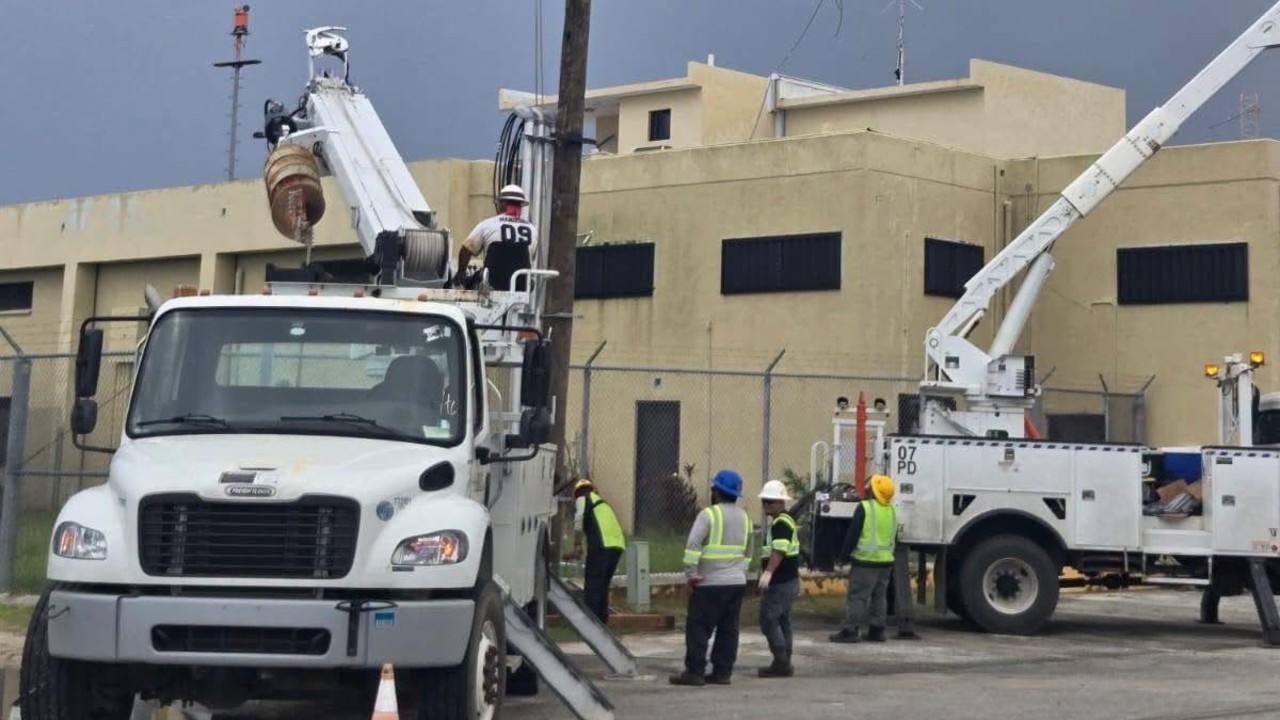
Labor data presented at the meeting showed construction has been the CNMI’s top job vacancy for at least two decades, followed by installation, maintenance and repair, food preparation, grounds maintenance, and personal care services—jobs largely dependent on vocational skills rather than office-based training.
Despite the availability of CW workers, Staffler said gaps remain. She noted that local Labor lacks real-time data on CW employment because approvals are handled by U.S. Citizenship and Immigration Services, with only year-end figures available through tax-based ratio reports.
Staffler also raised concerns about incomplete compliance with the Census of Employment, a quarterly reporting requirement that provides the CNMI’s only real-time snapshot of employment trends.
“All the efforts of Labor for the next year are focused on increasing this compliance. The next one's due on Jan. 31st.”
She also pointed to accelerating out-migration and an aging workforce as compounding pressures, noting that teachers and skilled workers continue to leave for Guam and the U.S. mainland, where wages and relocation incentives are higher.
Despite the challenges, Staffler said there has been early interest in potential new industries—including renewable energy, agriculture, pharmaceutical manufacturing, electric vehicle-related businesses, and regenerative tourism—based on information shared by the Commonwealth Economic Development Authority.
She cautioned, however, that workforce readiness remains a key concern for investors.
The meeting also featured the Department of Labor’s Workforce Investment Agency, which highlighted the expansion of registered apprenticeship programs that allow workers to earn wages while receiving on-the-job training and classroom instruction. Apprenticeships are currently operating in healthcare, hospitality, food service, and construction.
Speaking after the presentation, Staffler said the CW program remains central to the CNMI’s economic stability in the near and medium term, even as U.S. Congress weighs its future. She said she has maintained close communication with Delegate Kimberlyn King-Hinds’ office to provide labor data and context for federal discussions.
“A contracting population equals a contracting economy,” she said, adding that while the government should encourage residents and scholarship recipients to return home, foreign labor remains necessary.
Staffler also urged federal policymakers to consider the CNMI’s geographic isolation and economic vulnerability, saying the Commonwealth cannot be treated the same as states when it comes to labor and immigration policy.
She expressed concern about a reported $100,000 bond requirement imposed under a Trump-era executive order for certain foreign worker visa transitions, calling it a major barrier for local employers—particularly in construction.
While the CNMI Labor does not oversee immigration processing, Staffler emphasized that employers must properly consider U.S.-eligible workers referred through the department’s job vacancy system, and encouraged workers to report non-responsive employers.
She added that the department continues assisting workers displaced by business closures and announced plans for a job fair tentatively scheduled for February, with venue details to be announced.
Share this article: