MVA chair sees tourism boost in Arts Council transfer
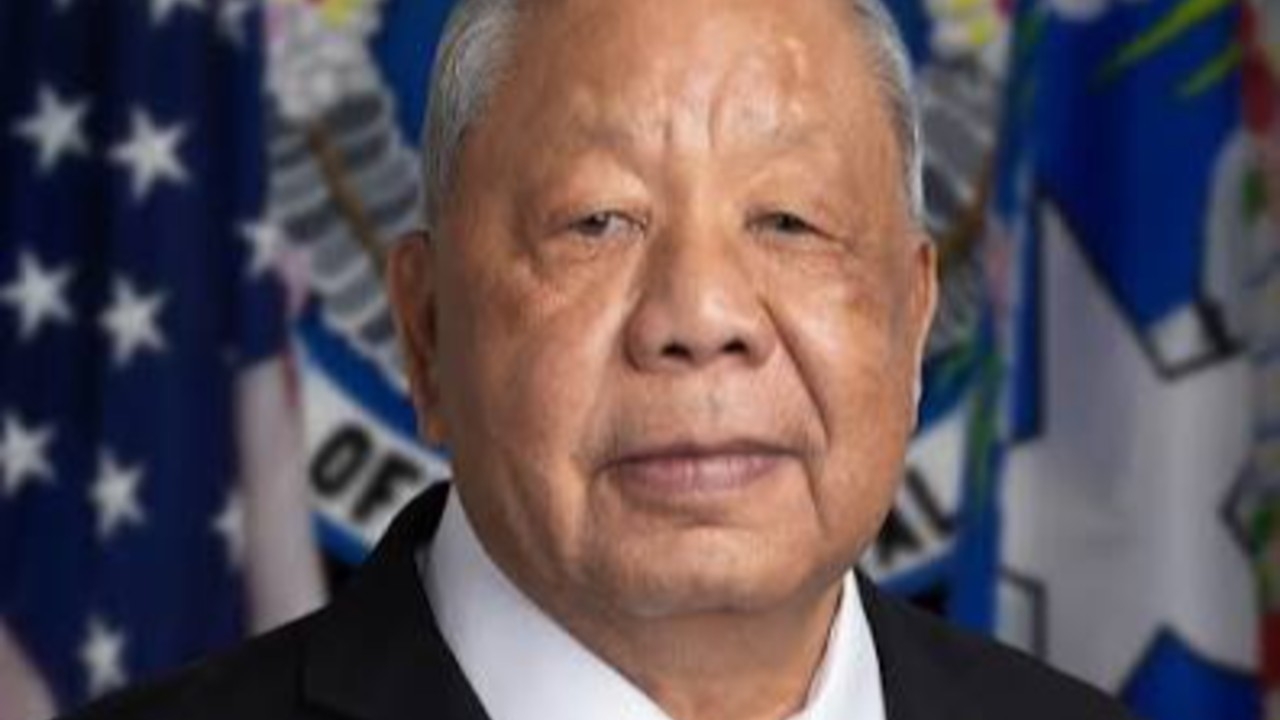
Marianas Visitors Authority board chair Warren F. Villagomez sees both opportunity and responsibility in bringing the Commonwealth Council for Arts and Cultures under MVA, saying the arrangement could more closely tie the CNMI’s cultural identity to its tourism promotion while addressing outstanding administrative and funding issues.
Gov. David M. Apatang’s Executive Order 2026-014 transfers the Arts Council from the Department of Community and Cultural Affairs to MVA. The order states that preserving the CNMI’s artistic traditions and cultural heritage is closely intertwined with promoting the islands as a tourist destination.
Villagomez said one of the immediate challenges will be ensuring a smooth transition, particularly when it comes to federal grants and outstanding payments.
“We're looking at working hand-in-hand on the transition from DCCA to MVA, and more so to work alongside with our folks that have been out there seeking assistance in regards to payments,” Villagomez told Marianas Press.
He said MVA’s acting managing director will work with DCCA Secretary Frank Rabauliman and the Office of Grants Management to expedite federal grant drawdowns and payments owed to vendors.
The executive order similarly directs the Arts Council to collaborate with the Office of Grants Management and federal grantor agencies on outstanding federal grants and calls for existing grant funds to be drawn down before applicable deadlines expire.
For MVA, Villagomez said the upside is the opportunity to more directly integrate Chamorro and Carolinian culture into the CNMI’s tourism product and overseas marketing.
“This executive order would definitely benefit CNMI as a whole, considering that, you know, we're also making shifts in our MVA team to bring culture back, promote culture, as well as, you know, go out and share and experience our culture to entice our marketing efforts, you know, in Asia and throughout the world,” he said.
Villagomez said MVA wants to revisit visitor sites as well as the CNMI’s entry and exit points to better showcase Chamorro and Carolinian culture and leave visitors with memories that could encourage them to return.
He also offered assurances to Arts Council employees, artists, and performers that MVA intends to build on their work rather than diminish it.
“We're not here to cut, you know, staff. We're here to make it work,” Villagomez said.
He added that MVA hopes to find “unique and new creative ways” to work with local artists and support their creativity and continued performances.
Villagomez said the expanded cultural role could also help MVA elevate events such as the Flame Tree Arts Festival, Taste of the Marianas, Tinian’s Pika Festival and Rota’s Coconut Crab Festival, while potentially expanding cultural participation from Guam, the Federated States of Micronesia, and Palau.
The development comes as the CNMI tourism industry slowly begins seeing visitors return following super typhoons Sinlaku and Bavi.
Villagomez said MVA conducted assessments across the CNMI following the storms and is coordinating with Parks and Recreation, the Department of Public Works, and the Public Assistance Office on debris removal and preparing tourist sites for visitors.
“We're starting to see a tourist presence, and that's good and very positive,” he said.
Villagomez pointed to United Airlines operating three times a week, Hong Kong Airlines twice weekly, and Jeju Air’s return as signs of an improving visitor presence.
However, recovery work remains. Villagomez said MVA is coordinating with other government agencies on island cleanup and restoring lighting and aesthetics in hotel districts and tourist sites, including addressing safety issues caused by the storms.
Beyond restoring physical attractions, Villagomez believes the CNMI needs to offer visitors more opportunities to experience the islands through their food.
Asked about the limited availability of Chamorro and Carolinian cuisine at local restaurants, Villagomez said MVA wants to encourage both new and existing businesses to put more indigenous dishes on their menus.
“Yes, definitely. That is one of our goals to, you know, work with new businesses that are also opening up or existing businesses to include dishes, you know, local island dishes to, you know, to promote our island culture and our island, you know, food preparation,” he said.
The goal, Villagomez added, is to give visitors an experience of the CNMI’s local culinary traditions rather than limiting their exposure to the islands’ culture to attractions and performances.
Villagomez said tourism stakeholders have endured an exceptionally difficult period following two super typhoons, but credited businesses for keeping their doors open.
“We continue to be strong and our rebuilding is evident, shown that, you know, we're one CNMI and we're making, we're making a stride on, you know, moving forward,” he said.
Share this article: