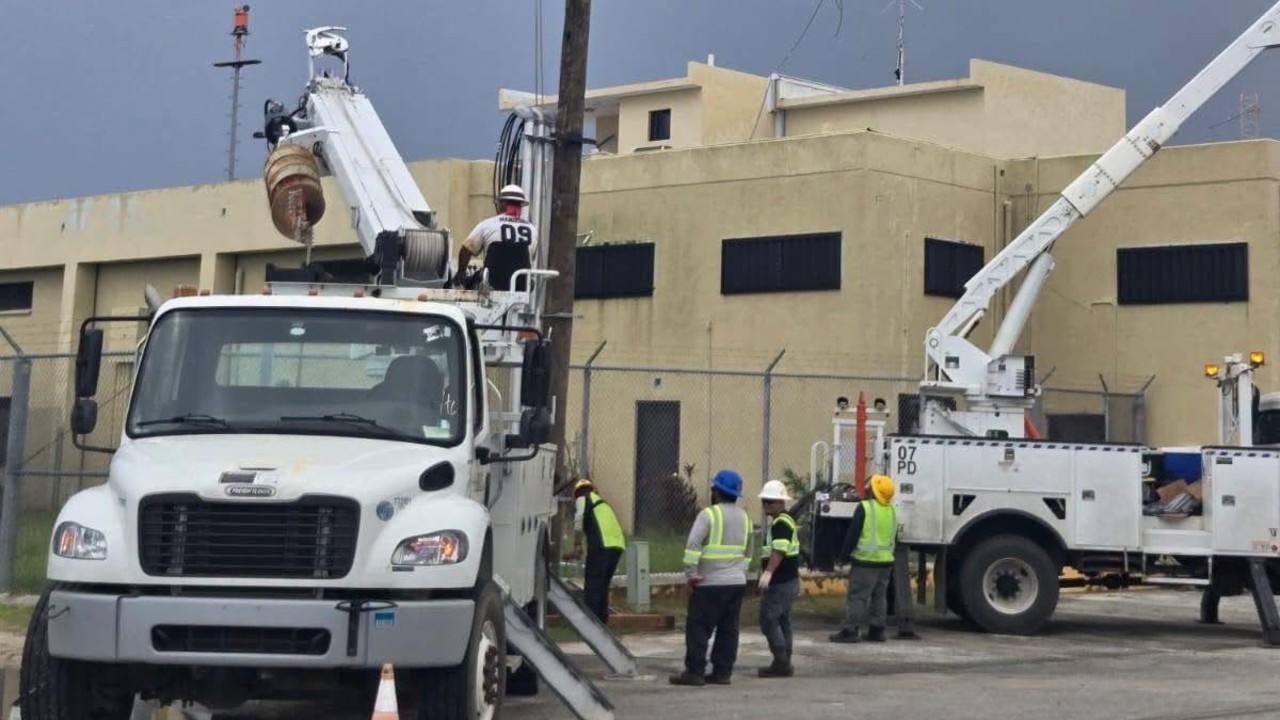
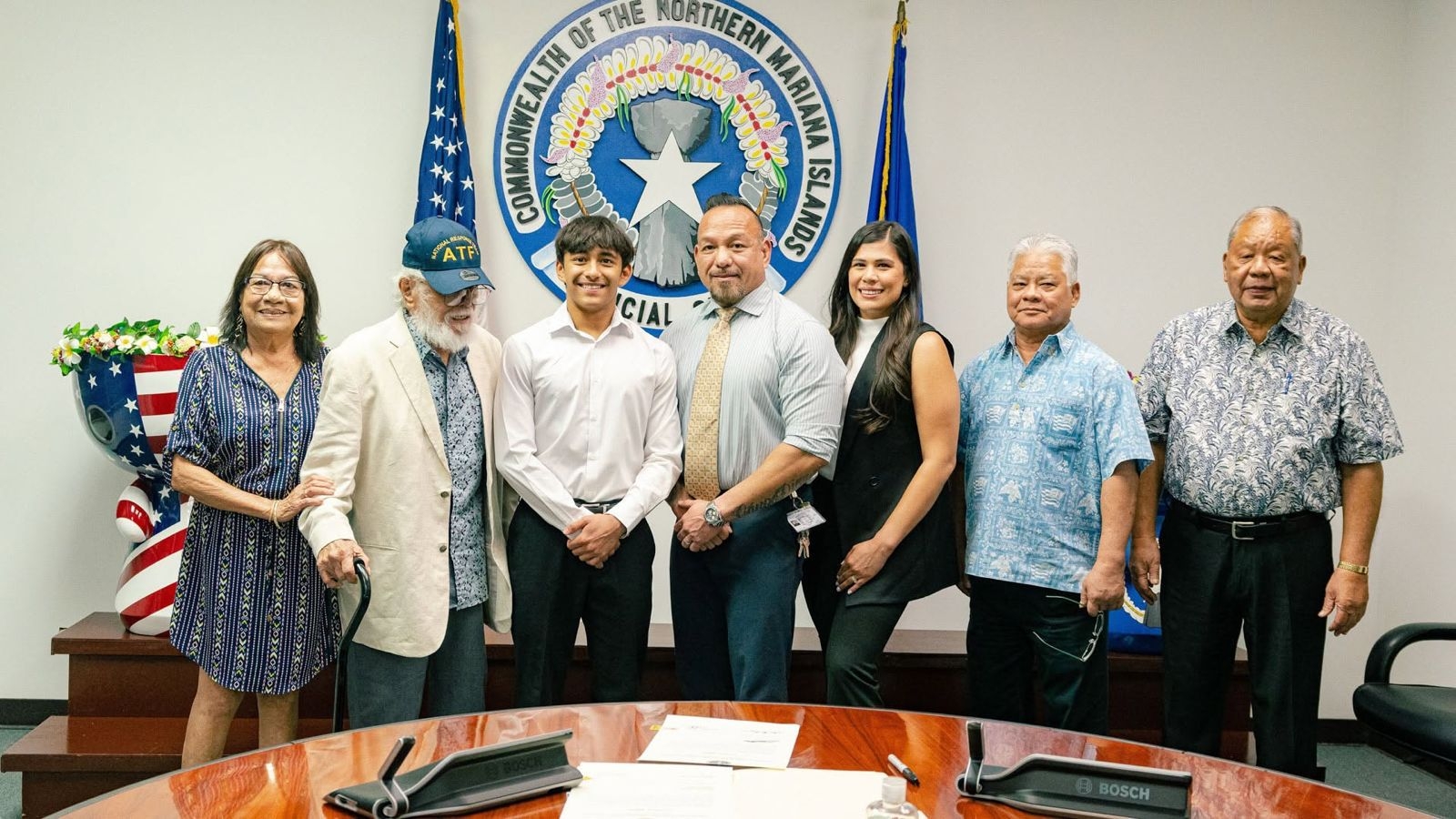
The Commonwealth Public Utility Commission is pressing the Commonwealth Utilities Corp. to immediately comply with long-standing CNMI law on net metering, warning of possible penalties if customer credits are not reconciled within three months.
Speaking during public comment at the CUC board meeting last Jan. 8 at the utility’s Dandan office, CPUC chair James Sirok said the law requires CUC to annually reconcile net metering credits and pay customers 50% of their unused credit balance—an obligation he said had gone unfulfilled for years.
“That's been on the books as a law; it's not an order of the commission, it's not part of your rules and regulations, it's an actual law that's been in place for many, many years. And CUC discovered a couple of months ago that that wasn't being done, and we've asked that it be done,” he said.
CUC’s net metering program allows customers with renewable energy systems like solar to send excess generated electricity back to the grid, earning credits on their bill for that power, effectively reducing or eliminating their electricity costs, with specific rules for crediting excess energy at an avoided cost rate.
Sirok said CUC executive director Kevin Watson acknowledged the lapse during a recent CPUC meeting on Rota and committed to completing the reconciliation within three months, despite staff estimates that the process could take up to six. He said the commission considers the matter a priority and will hold CUC to the shorter deadline.
“If it’s not done, we will consider issuing penalties,” Sirok said, stressing that compliance is mandated by statute, not regulatory discretion.
“We feel that it's had many years to deal with this issue, and it's just sort of been ignored, and we don't feel that that's appropriate. CUC should not be disobeying the mandate of the law on this, and the customer certainly should expect what they're entitled to under the law. So that's the only finger-waving thing that I wanted to pass on to the directors.”
Sirok also highlighted concerns raised during the aforementioned CPUC two-day meeting on Rota last December, including unsafe access to the island’s water cave, which supplies Rota’s drinking water. He urged CUC to consider repairing the deteriorated road leading to the site, noting that utility staff regularly travel the route to take readings under hazardous conditions.
Other public concerns included water charges on gravity-fed systems, homestead infrastructure, and the possibility of a reduced water rate for farmers. Watson said a pending rate case is expected to eliminate the water electric charge by folding it into electric rates, while the commission is open to discussions on a potential agricultural water rate if it proves viable.
On fuel costs, Watson said the commission is working with CUC to reconcile the Fuel Adjustment Charge and develop a clearer, more transparent formula. While CUC is barred from increasing the charge under the current order, Watson noted it is authorized to reduce it as fuel prices decline.
He also said supplemental filings for CUC’s long-awaited rate case have now been submitted, allowing the commission to formally begin the review process. Public hearings are expected on all three islands—Saipan, Tinian, and Rota—with a target implementation date of June 1, 2026, if the process stays on schedule.
Share this article: