NMCADSV warns disasters increase risk of domestic violence, child sexual abuse
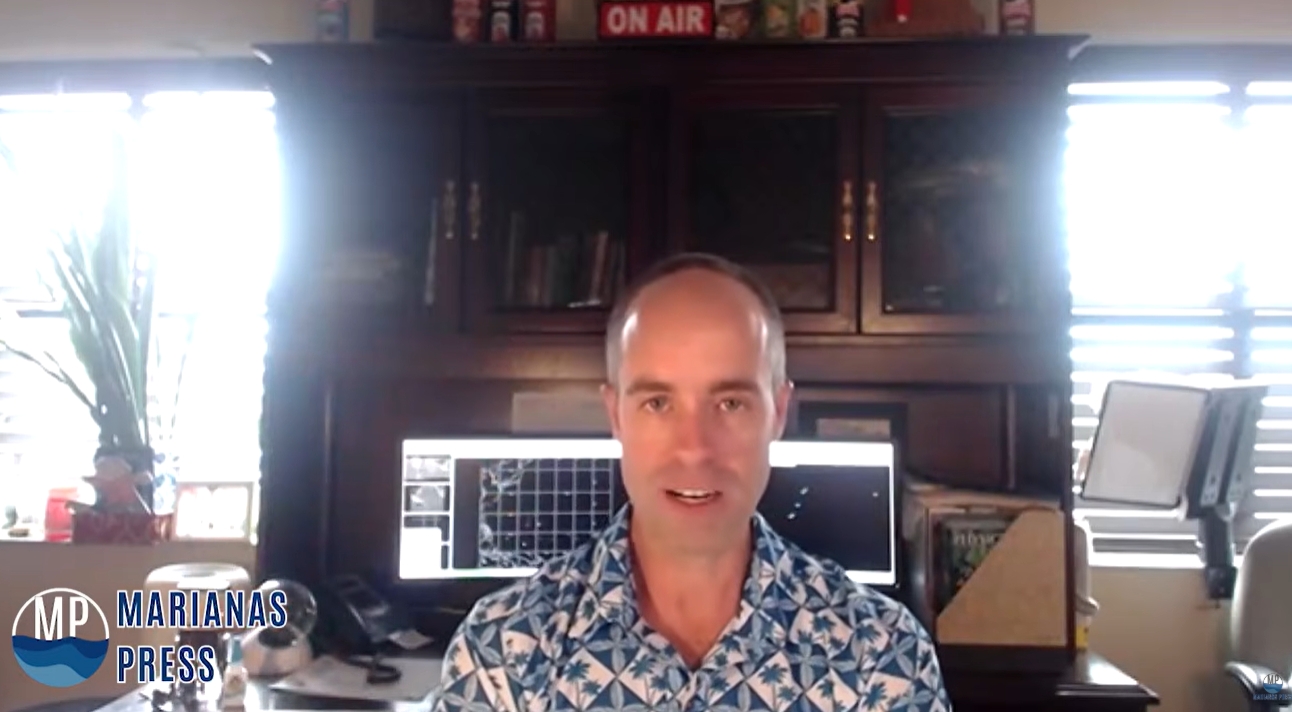
The aftermath of Super Typhoon Sinlaku has created conditions that make victims and survivors of domestic violence and sexual assault more vulnerable, according to Northern Marianas Coalition Against Domestic and Sexual Violence executive director Maisie B. Tenorio.
Speaking during a relief distribution effort last week organized through the CNMI Voluntary Organizations Active in Disaster, or VOAD, Tenorio said disasters often isolate victims from support systems while increasing stress and instability inside homes.
“Disasters like Super Typhoon Sinlaku have an enormous impact on victims and survivors of domestic violence and sexual assault,” Tenorio said.
She said victims may lose access to counseling, shelters, restraining orders, and other support services because systems and infrastructure are often disrupted after a disaster.
“Victims may not have easy access to counseling, shelter, restraining orders, or other support services after a disaster,” she said.
Tenorio said the combination of financial hardship, food insecurity, damaged homes, and emotional stress can intensify violence within households.
“The added trauma can make daily life terrifying for many victims and survivors,” she said.
She also echoed concerns previously raised by the Department of Youth Services that school closures remove one of the community’s key safeguards for children at risk.
“With schools closed, children have less access to safe adults and reporting,” Tenorio said. “Teachers and counselors are often the people who notice and report abuse.”
Tenorio warned that overcrowded living situations after disasters can further increase risks, especially since many abuse cases involve relatives or trusted individuals known to victims.
“We also may see an increase in sexual abuse of minors,” she said, noting that many abuse cases involve relatives or trusted individuals.
According to Tenorio, more than 95% of the coalition’s cases involve someone the victim knew, trusted, or loved.
She said the coalition has been coordinating closely with relief partners through the CNMI VOAD network, which includes local and federal agencies involved in disaster response.
“Through the CNMI VOAD, which is Voluntary Organizations Active in Disaster, we have been able to connect with many of the local and federal partners who are providing relief support to our community,” Tenorio said.
Tenorio said coalition advocates have been responding to calls involving issues at shelters and helping shelter managers and service providers address situations involving domestic violence survivors.
“The coalition has been responding to many of those calls to work with the shelter managers or the service providers to ensure that we are providing the appropriate advocacy when needed,” she said.
She acknowledged that communication challenges after Sinlaku made it difficult for advocates to reach victims and coordinate services, especially during the first few days when internet and phone systems were down islandwide.
“Lack of communication was extremely difficult in the first days,” Tenorio said. “Just trying to reach advocates was hard.”
Despite those challenges, she said the coalition continued checking on advocates while ensuring victims and survivors still had access to resources and support as recovery efforts continued.
Tenorio also discussed the coalition’s role in relief distribution efforts through VOAD. During the interview, coalition volunteers were helping distribute water and Meals Ready to Eat, or MREs, to residents in northern villages including Tanapag, San Roque, As Matuis, and Achugao.
She said the coalition has been helping coordinate volunteers, trucks, and data with the Emergency Operations Center and Homeland Security to identify communities most in need of assistance.
Tenorio ended with a message to survivors of domestic violence and sexual assault, urging them to seek help.
“The coalition is here,” she said. “Victims and survivors are not alone.”
She encouraged those needing assistance to contact the Karidat Social Services victim hotline at (670) 234-5100, which operates 24 hours a day.
Share this article: