NMI Museum transfer complete, but transition still ongoing
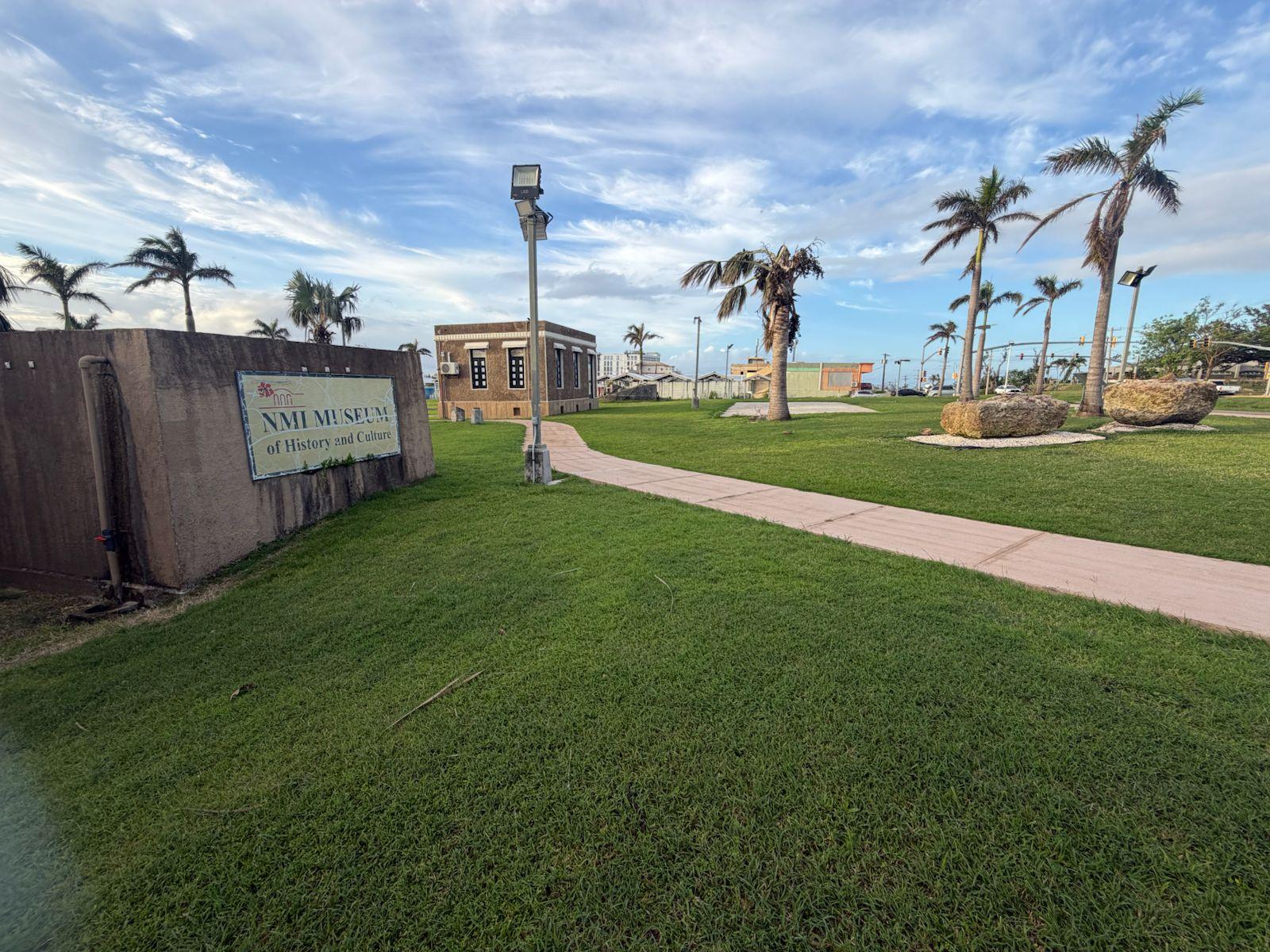
The NMI Museum has formally come under the Historic Preservation Office within the Department of Community and Cultural Affairs, but the transition remains ongoing, with only one staff member and no additional funding to operate the museum.
DCCA Secretary Francisco Rabauliman, who also serves as the CNMI State Historic Preservation officer, said the department is still assessing the museum's operational needs following the Oct. 19 transfer deadline.
“DCCA has incorporated the NMI Museum of History and Culture into our department, but the transition is still ongoing. We are continuing to assess the Museum's needs, particularly its long-term sustainability and day-to-day operations,” Rabauliman said in a written response to Marianas Press.
The transfer was directed under Executive Order 2026-015, signed by Gov. David M. Apatang on Aug. 13 as part of his administration's effort to consolidate government operations amid the CNMI's financial difficulties.
The order places the museum under HPO and transfers the powers and responsibilities of the former Museum Board of Governors to the DCCA secretary or designee. It also assigns the museum executive director's duties to the historic preservation officer or designee and terminates the board members' terms.
Rabauliman said the museum had three full-time equivalent positions, two of which were transferred to DCCA under the fiscal year 2027 budget. However, the museum currently has only one staff member.
He also confirmed that DCCA did not receive additional funding to operate the museum.
“Unfortunately, given the austere climate that the CNMI is in, no additional funding was expected. At this time, however, we are assessing our existing resources and operational needs to determine how best to manage the Museum's responsibilities,” he said.
Rabauliman said HPO now has management responsibility for the museum's operations, while DCCA works to ensure its remaining staff have the support needed to continue providing services.
Another immediate concern is protecting the museum's collection, particularly artifacts affected by Super Typhoon Sinlaku in April.
Rabauliman said DCCA is working to maintain electricity at the museum and identify temporary storage for its collections while addressing damage and other safety concerns.
“We are doing our best to maintain power at the Museum to help protect the collections. At this time, we are looking for a temporary facility where the precious collections can be stored while we address mold, mildew, and other potential health and safety concerns caused by the typhoon,” he said.
The museum had already been dealing with storage and preservation challenges before Sinlaku, which caused further damage to facilities housing valuable historical and cultural artifacts.
In an earlier interview with Marianas Press, Rabauliman said Federal Emergency Management Agency-funded experts had assessed the museum and historical sites following the typhoon, although he had yet to fully review their findings. He also noted that some artifacts had been moved to American Memorial Park, where air conditioning provides temperature control.
Rabauliman previously supported the museum's consolidation with HPO, saying their responsibilities overlap and the move could reduce duplication of government services.
However, the transfer has drawn opposition from former Museum Board of Governors chair Leo Pangelinan, who raised concerns about the loss of the museum's independence and oversight.
Pangelinan earlier opposed Executive Order 2026-015, warning that eliminating the independent governing board and transferring its authority to a government official could weaken accountability, community representation and professional oversight.
He also argued that historic preservation and museum stewardship, while related, have distinct responsibilities. He urged the administration to retain an independent advisory body and protect the museum's collections, funding and public mission.
Asked about Pangelinan's concerns and whether an advisory board or another accountability mechanism would be established, Rabauliman said DCCA recognizes the importance of oversight.
“We respect these concerns and recognize the importance of transparency and accountability in managing the Museum. As we continue to work through administrative transition, the Museum's mission and the protection of the CNMI's cultural heritage remain at the center of our efforts,” he said.
Share this article: