NOAA/NWS 2026 Western North Pacific Tropical Cyclone Outlook for the U.S. Affiliated Pacific Islands
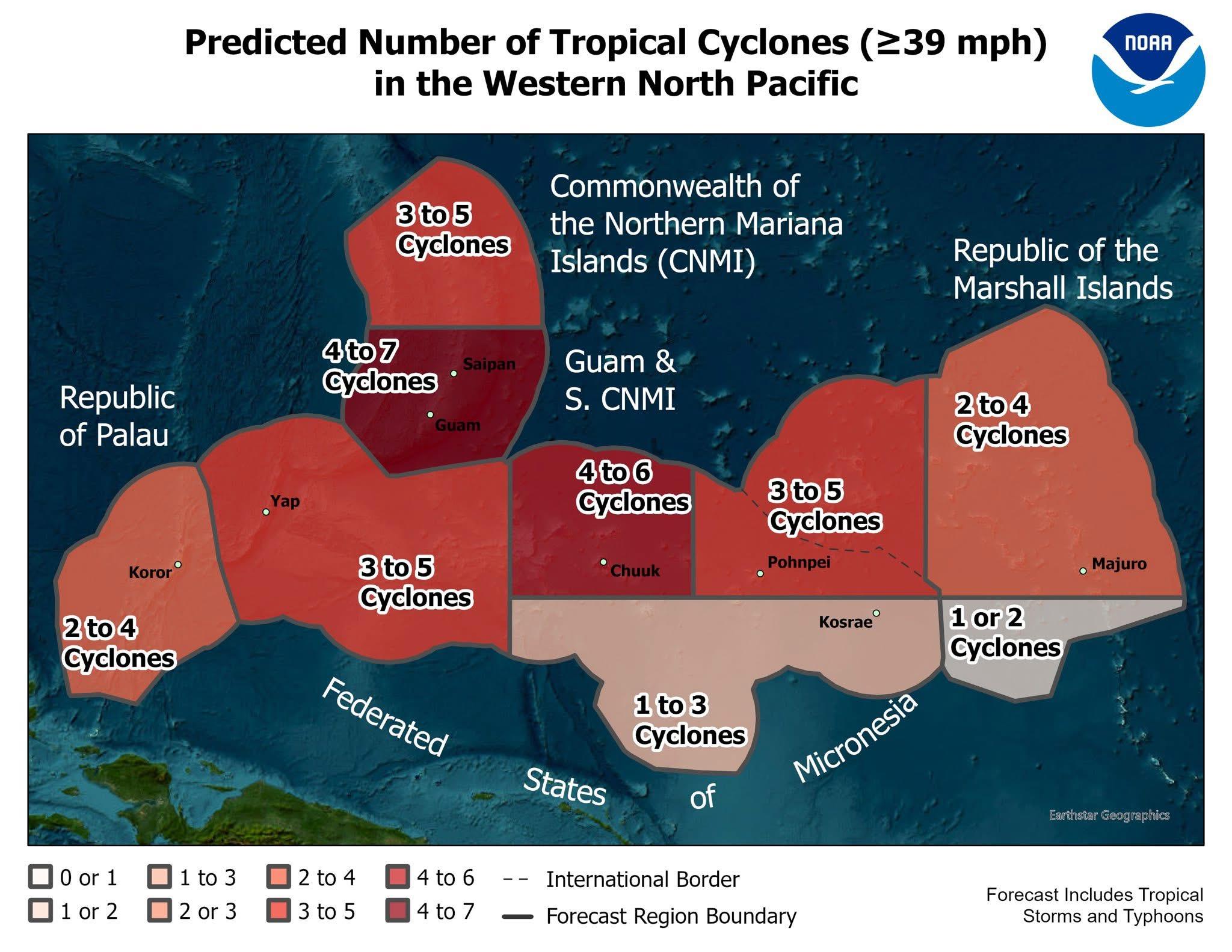
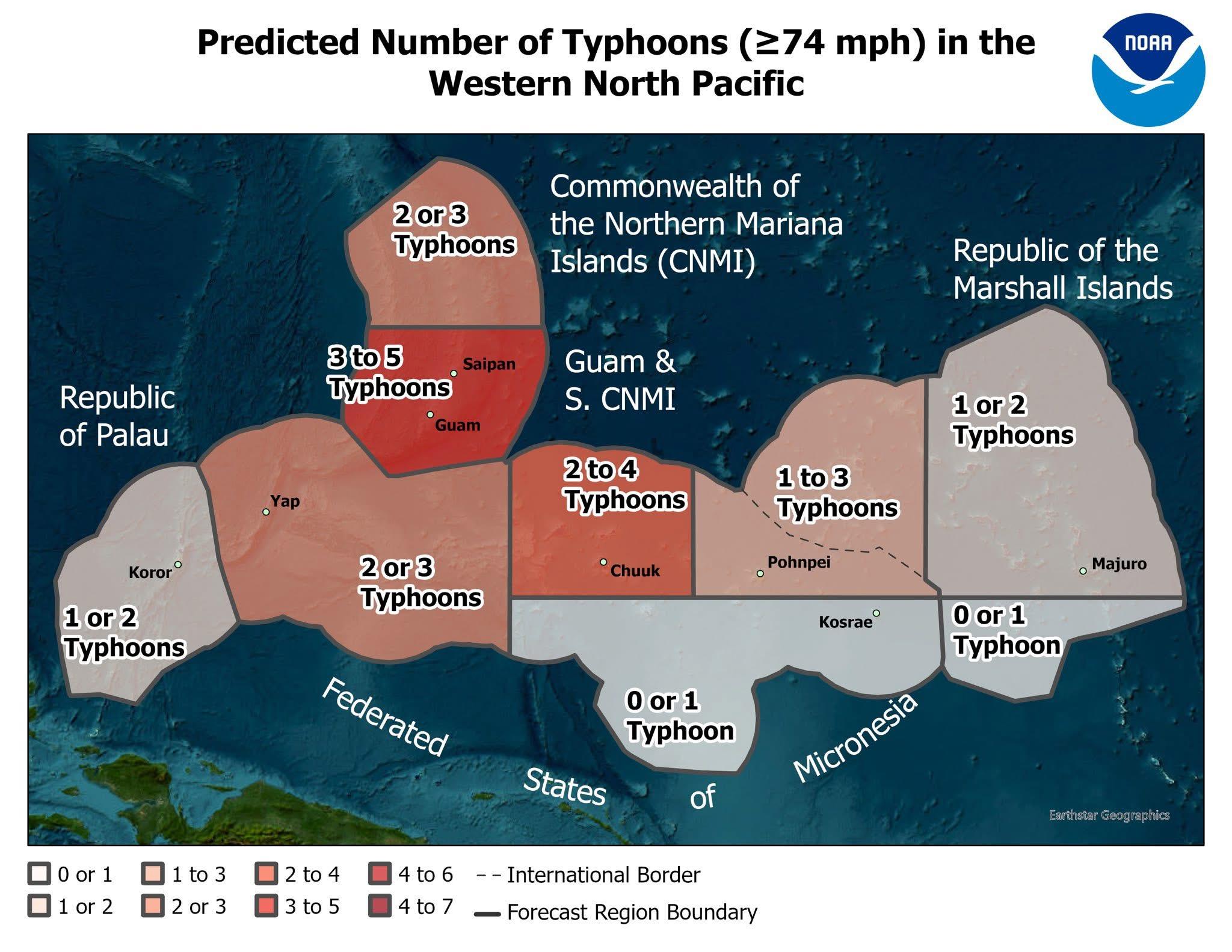
NOAA's Western North Pacific (WNP) Tropical Cyclone Outlook for the remainder of 2026 is for: Above-normal activity for the Federated States of Micronesia (FSM), the Republic of the Marshall Islands (RMI), the Commonwealth of the Northern Mariana Islands (CNMI) & the Territory of Guam; and below-normal to normal activity for the Republic of Palau (ROP)
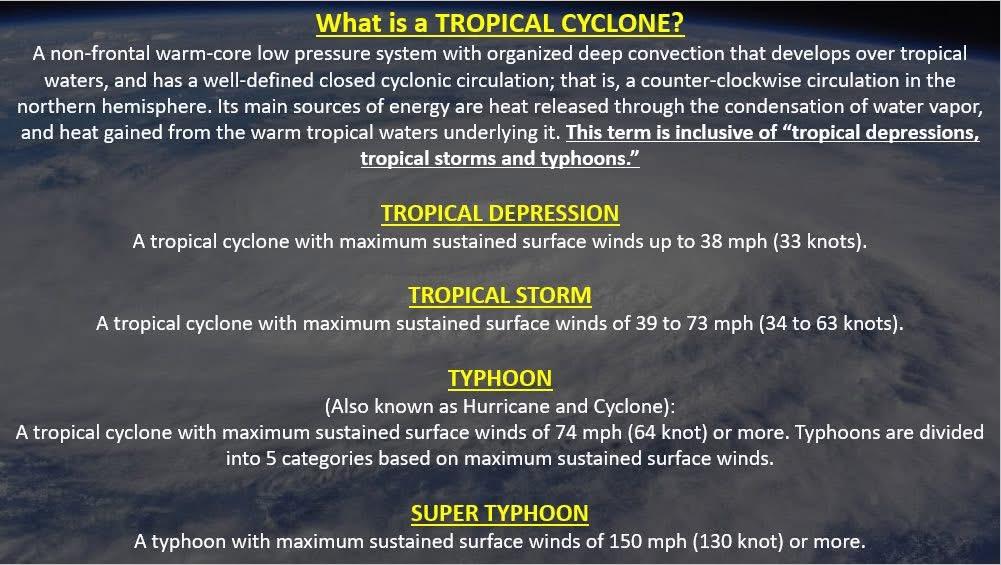
The United States-Affiliated Pacific Islands (USAPI) of the FSM, the RMI, the CNMI and Guam will likely see above-normal tropical cyclone (TC) activity for the remainder of 2026, while TC activity across the ROP is anticipated to be normal to below normal for the remainder of 2026.
Above-normal activity is consistent with the anticipated shift to El Niño as supported by the latest National Oceanic and Atmospheric Administration (NOAA) National Weather Service (NWS) ENSO Diagnostics Discussion. This is likely to result in considerably more regional activity than seen in the past several years.
An eastward shift in TC genesis is predicted to keep TC activity near or below normal across the ROP, with more TCs passing to the north. TC activity will vary considerably from east to west and north to south due to the large extent of the Micronesia region.
Additionally, an eastward shift of development allows TCs more time to intensify, resulting in a larger number of major typhoons (major typhoons are classified as categories 3, 4 and 5) that could impact the Marianas and western Micronesia.
This outlook is a general guide to the predicted, overall TC activity across the USAPI and ***does not indicate how many of these systems will actually make landfall.*** However, the outlook does provide a general idea of how many tropical storms and/or typhoons could significantly affect a specific island or a group of islands across Micronesia, with direct or peripheral effects such as strong damaging winds, torrential rainfall, and/or storm surge/ inundation.
Although TC activity peaks around September-November for many regional locations, TCs occur throughout the year across the WNP. Therefore, there is no clearly defined 'typhoon season. TC activity can fluctuate greatly from year to year, though it only takes ONE to cause significant impacts.
We always urge residents, visitors and mariners to maintain preparedness for TCs year-round. Please visit the Guam Homeland Security/Office of Civil Defense, the CNMI Homeland Security and Emergency Management, and FEMA's Ready.gov for more information on preparedness plans, tips and how to build emergency kits for use at home and at work.
Share this article: