Scams targeting senior citizens—particularly through social media platforms such as Facebook Messenger and WhatsApp—are emerging as a growing concern among man’amko served by the CNMI Office on Aging, prompting renewed education and outreach efforts to protect one of the community’s most vulnerable populations.
Staff at the Office on Aging said elderly residents have reported receiving messages promising large cash payouts—sometimes thousands of dollars—in exchange for personal information such as Social Security numbers, home addresses, or bank details.
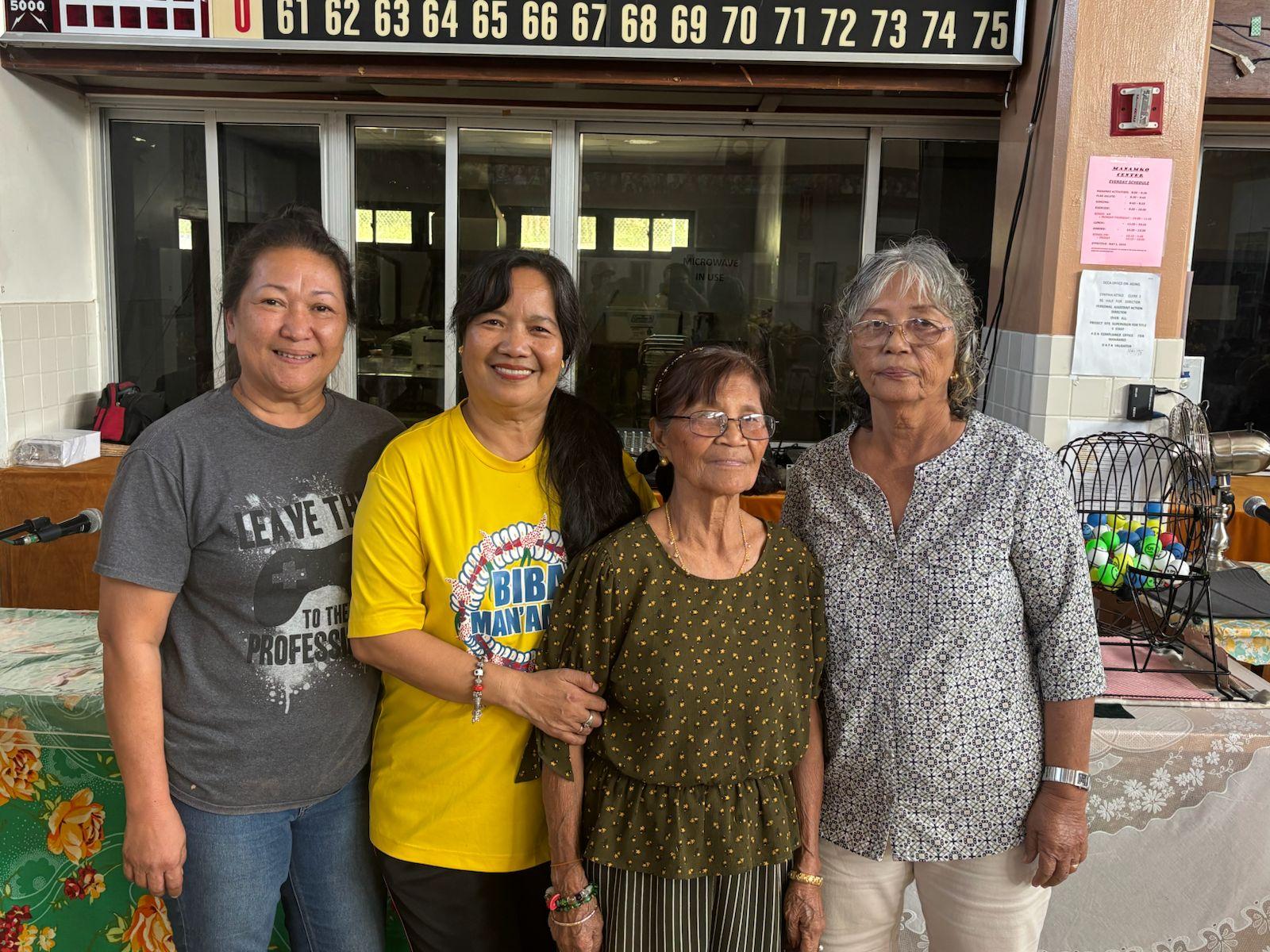
“Yeah, I personally got one. They said there’s a check for me or something. But I didn’t fall for it because I know nowadays, you don’t just give your information to anybody,” said Virginia Mallari, the CNMI Office on Aging’s Saipan activities coordinator.
While no major financial losses have been reported so far, Office on Aging community development specialist I Rosa Blas Salalila said attempted scams are becoming increasingly common.
“I know there are a lot of scams going around, especially if you receive something from WhatsApp or Messenger offering you a certain amount of money. A lot of the man’amko are receiving those,” she said.
To address the growing threat, Salalila said the Office on Aging has partnered with outside agencies—including the Office of the Attorney General and visiting professionals—to conduct regular workshops warning seniors not to respond to unsolicited messages, emails, or letters, particularly those offering money that seems too good to be true.
“A lot of man’amko here are already aware. They’re being taught that if they receive emails, text messages, or messages on Messenger, not to entertain them,” she said. “We have people come in to provide services and teach the man’amko what to look out for and how to protect themselves.”
Cecile Ogo Blas, assistant transportation unit staff, also urged seniors—and their families—to remain vigilant when receiving suspicious letters or messages promising financial gain.
“I know there are some elderly who are very good at social media and rely on it,” she said. “But especially when it comes to a big amount of money, don’t entertain it. Tell your child, your spouse, or a worker here that you received this letter or text, because those are scammers. You just have to be careful. Even banks now—sometimes online banking scams look very real.”
As the new year began, an elderly resident of Lower Navy Hill, Saipan, was targeted by a suspected scam letter claiming they were entitled to more than $2,300 in unclaimed funds.
The letter urged the recipient to provide personal information, including a government-issued ID and Social Security number, and to sign an agreement assigning a percentage of the funds to the sender. It falsely claimed the money was being held in a third-party account and emphasized urgency—hallmarks authorities say are common in scam attempts.
Office on Aging officials consider the correspondence a likely scam due to its unsolicited nature and its attempt to obtain sensitive information under the guise of an official unclaimed funds recovery.
Beyond scam prevention, the Office on Aging continues to provide a wide range of services and activities for seniors across Saipan, Tinian, and Rota. These include congregate meals, home-delivered meals for homebound seniors, transportation services, health and fitness programs such as Zumba and walking activities, bingo, karaoke, sightseeing trips, and cultural events like the annual Miss Man’amko celebration.
The program currently serves about 272 congregate seniors—167 on Saipan, 72 on Rota, and around 50 on Tinian—and more than 500 homebound seniors receiving meal deliveries across the three islands.
Office on Aging Director Walter Manglona said the agency’s biggest operational challenge remains funding. He said the office has not received local operational funding for several years and relies largely on federal grants. As a result, some services—such as routine home visits and the chore program—have been scaled back, while cost-cutting measures have been implemented.
Aging officials also highlighted the urgent need for new vehicles, noting that most of the agency’s fleet is more than a decade old, driving up maintenance costs and limiting transportation capacity. The office operates about 15 vehicles, most of which are used daily for meal deliveries and senior transportation, often on rough or unpaved roads.
Mallari encouraged seniors who are not yet enrolled to register with the Office on Aging, emphasizing that services are available to residents aged 60 and older, including transportation, meals, social activities, and assistance with benefits such as Medicaid and food stamps.
Lucy Bermudes, one of the center’s oldest congregants at 82, said life at the Aging Center has been nothing short of a blast.
“I enjoy being here at the man’amko. I’ve been working here for probably more than 20 years, and I really enjoy it,” she said. “We have a lot of fun. I work in the dining area and give my best service. I make them happy. I make them laugh. Sometimes we all even scream for fun.”
Share this article: