Power, Policy, and the Post-Typhoon Business Crisis
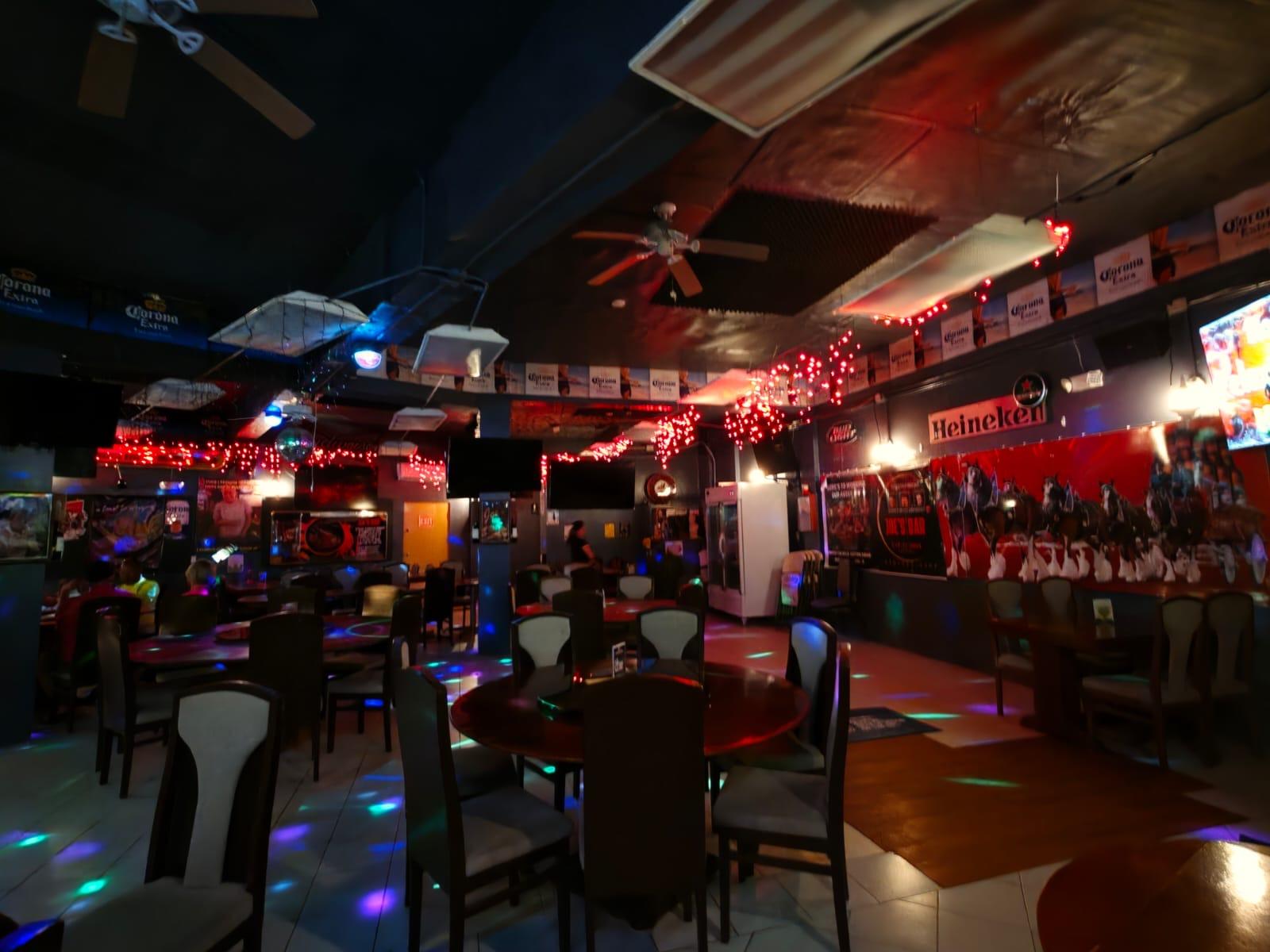
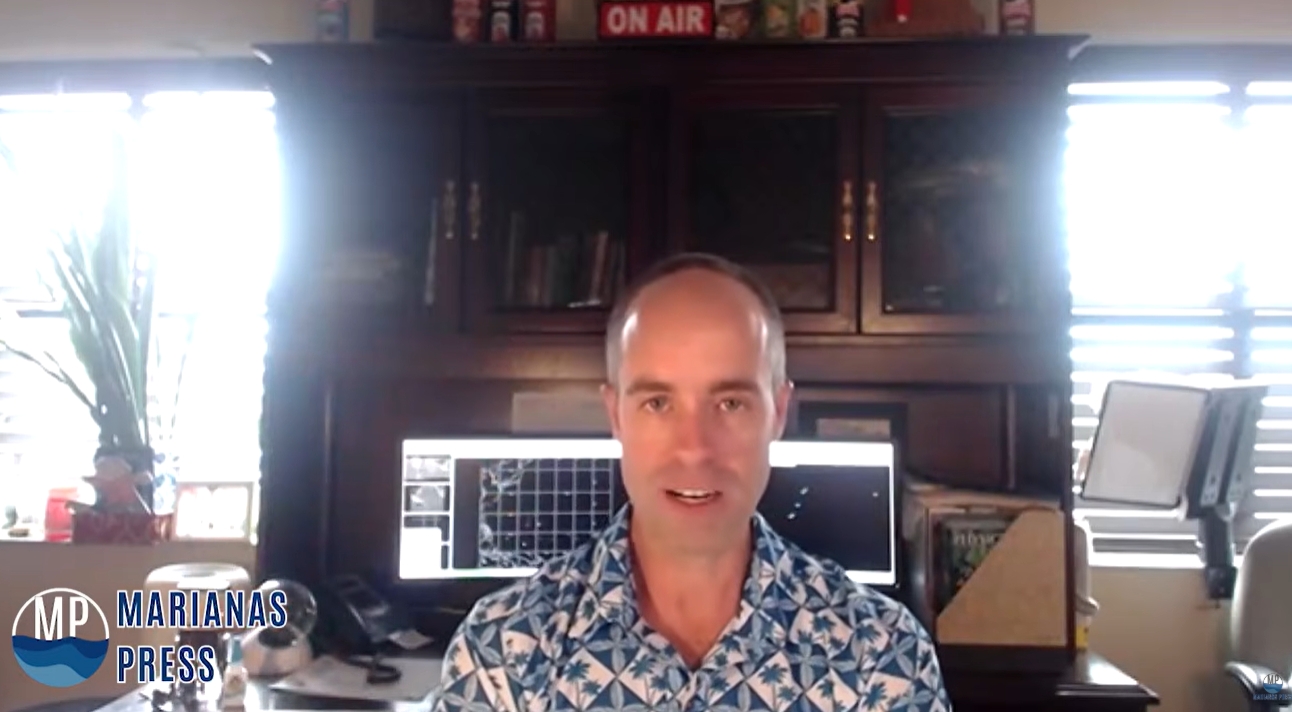
For Joseph Reyes, owner of Saipan’s Joe’s Bar, the physical wreckage left behind by a recent storm was only the beginning. As a US Army veteran and former CNMI Representative, Reyes has weathered his share of adversity over 24 years in business. But he recently shared a raw, unfiltered perspective on what truly threatens the island’s business community: an unrelenting post-storm economic crisis.
While the immediate aftermath of a typhoon leaves a visible trail of destruction, the true survival test for local businesses unfolds in the grueling weeks that follow. As establishments fight to reopen their doors, they are forced to navigate a maze of unreliable utilities, skyrocketing overhead, and a crippling labor shortage.
While a backup generator is practically a prerequisite for running a business in Saipan, the staggering cost of diesel and the unpredictability of the Commonwealth Utilities Corporation (CUC) have pushed operating expenses to the breaking point.
“Having a generator is a plus, and we come prepared. What is not expected is the high cost of diesel,” Reyes explained. “Operations are disrupted, and overhead is increased. I can understand the government’s notices on price gouging, but they must also recognize that businesses' operational costs have surged.”
Beyond the price of fuel, the island's inconsistent power grid poses a severe threat to heavy equipment. Sudden, violent power surges frequently destroy expensive air conditioning units and refrigeration systems. Repairing this vital equipment runs into the thousands of dollars—a financial burden made significantly heavier by an island-wide shortage of specialized technicians.
Water quality remains another critical operational hurdle. Citing a past federal mandate by Judge David O. Carter requiring the CUC to provide potable water, Reyes expressed deep frustration over the persistent rust and calcium in the tap water, noting the severe contamination risks this poses in a post-typhoon environment.
When a refrigerator or AC unit fails, finding a qualified electrician or technician in Saipan has become nearly impossible. Reyes points directly to current immigration and labor policies as the culprit—specifically the USCIS "touchback" mandate requiring CW-1 workers to exit and re-enter the territory.
With recovery efforts stalled by a lack of available hands, desperate businesses are forced to pay double or triple the standard rates for part-time, after-hours repair work.
“This is not the time to repatriate workers. You cannot even find specialized workers like electricians or refrigeration techs,” Reyes stated. “The USCIS policy on touchbacks just makes things worse. This needs to be waived or paused.”
He urged federal and local policymakers to recognize the harsh realities on the ground, arguing that a temporary amnesty or suspension of restrictive labor policies is essential to keep the island's recovery from flatlining.
“The ground is different here. Don't make policies 10,000 miles away. You have to be here to see it and adopt policies suitable for what we actually face.”
The storm has also dramatically altered the local economy. With regular parties and local gatherings coming to a grinding halt, revenue at Joe's Bar has plummeted. The establishment's customer base has temporarily shifted from loyal local regulars to a handful of off-island first responders and relief workers seeking a place to decompress.
While Reyes appreciates their patronage, it is simply not enough volume to offset the massive overhead costs required to keep the doors open. To survive, he is calling for direct, targeted intervention from the local government. While Small Business Administration (SBA) loans are an option, Reyes emphasized that direct grants are what businesses urgently need to stay afloat without taking on crippling, long-term debt.
Looking past the immediate patchwork fixes, Reyes is challenging the CNMI government to develop a concrete, 15-year economic recovery plan. He urged leaders to focus on minimizing restrictive policies, stabilizing utility costs, and establishing clear, public strategies so business owners can actually plan for the future.
“The CNMI government should sit down and chart the course of where we want to be 15 years from today,” he advised. “Stay away from imposing restrictive policies. If you impose more restrictions on these people, they close—and then the government won't have revenue.”
Despite the overwhelming hurdles, the personal losses, and the daily stress of making payroll for his loyal staff, Reyes’s commitment to his community remains unshaken.
“We all, at times, fail in one way or another,” he concluded. “But I, for one, am not a quitter.”
Share this article: