Residents call for more time to comment on military plan affecting whales, dolphins
Our Commonwealth 670 is calling on the federal government to extend the public comment period on proposed U.S. military exercises that could injure whales and dolphins in Marianas waters, saying the timing during the holiday season makes it difficult for residents to have a meaningful say.
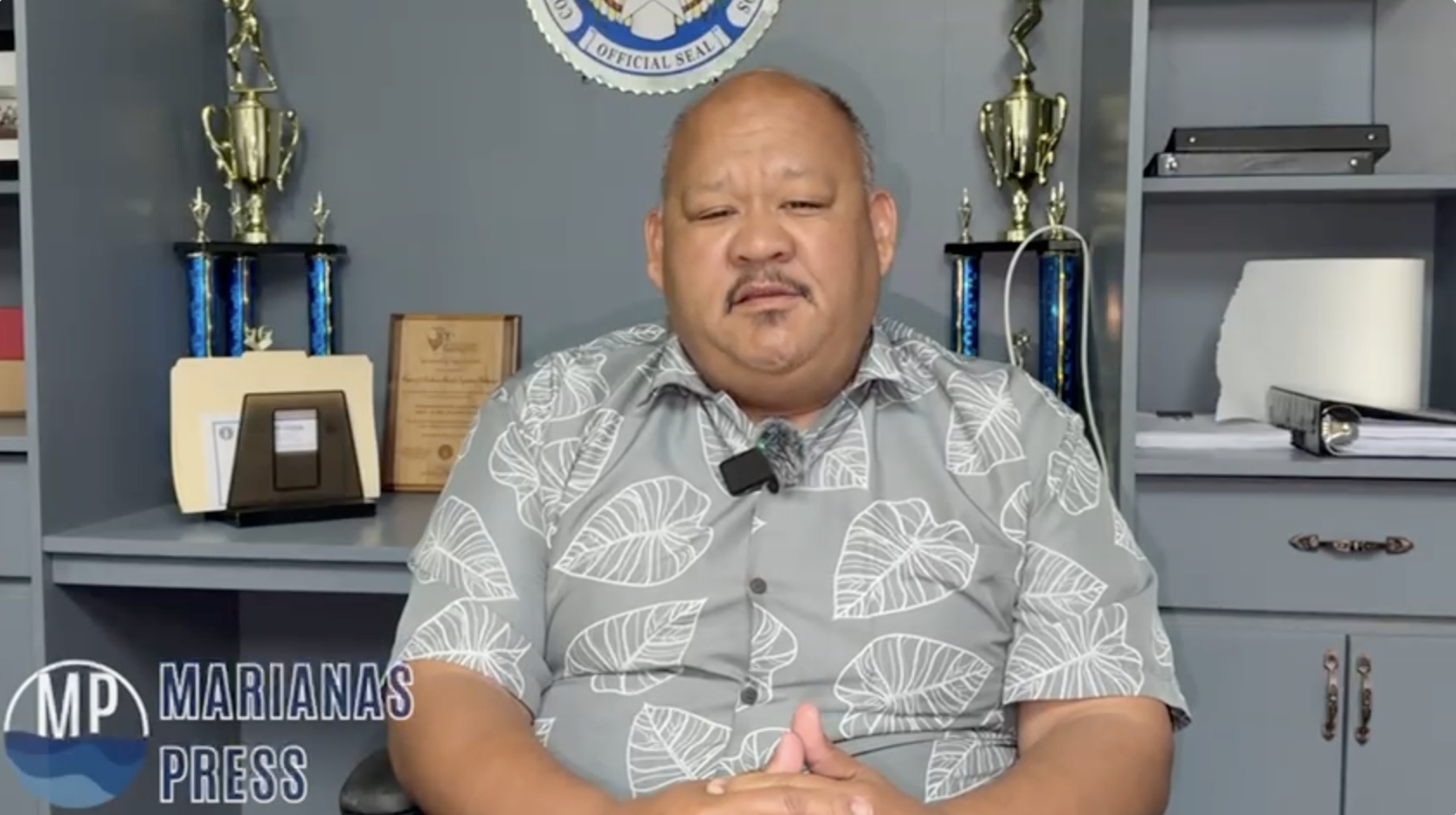
OCW 670 chair Issa Arriola, responding to a request for comment from Marianas Press, criticized the decision to open the comment period just before Thanksgiving and close it a week before Christmas.
“Opening a public comment period just before Thanksgiving and closing it a week before Christmas undermines meaningful public participation. Our communities deserve adequate time to review these proposals, consult with experts and organize informed responses,” the group said.
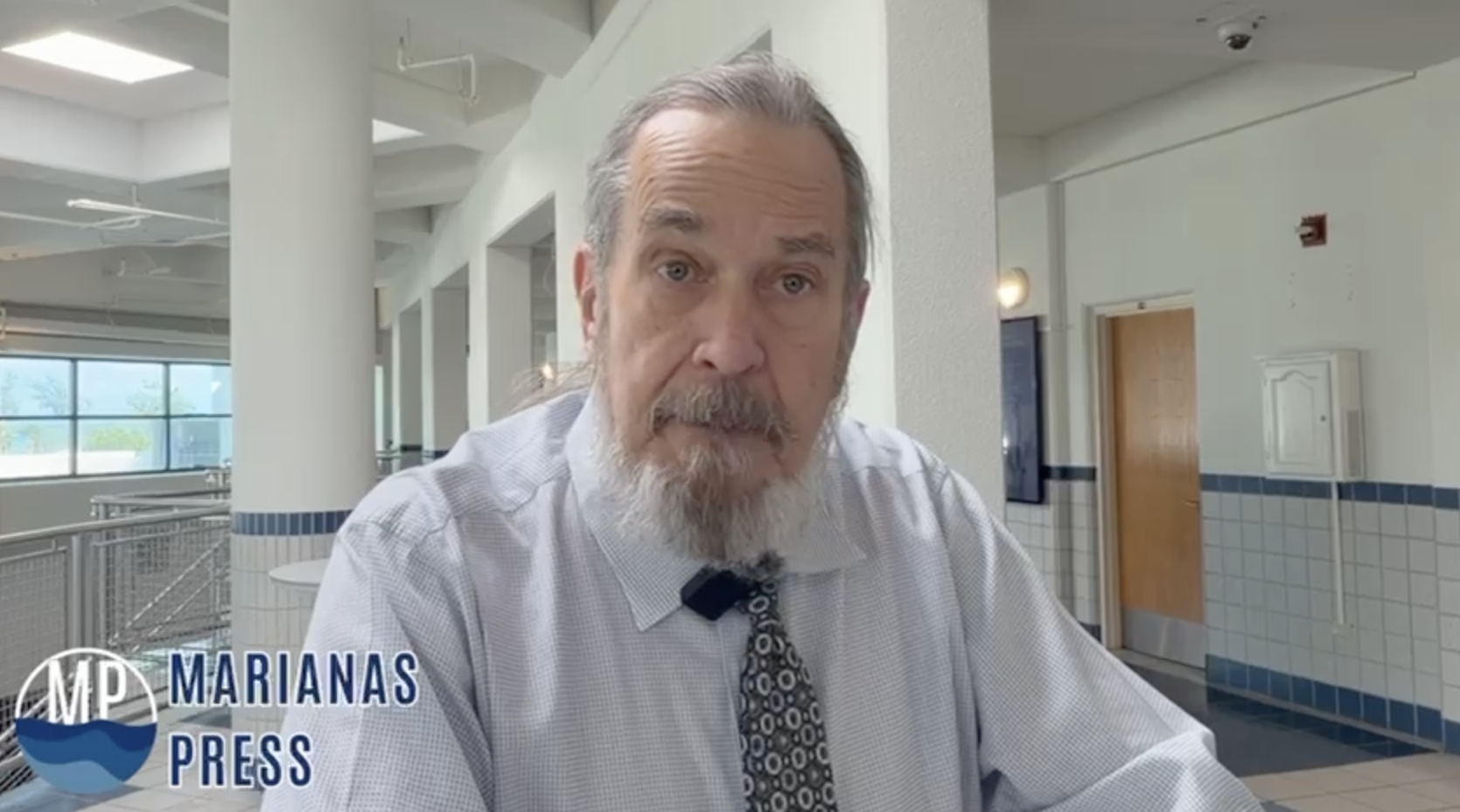
Right to Democracy Solidarity director Zeno Deleon Guerrero echoed those concerns, saying the latest proposal comes as the CNMI is already dealing with another military consultation and the prospect of deep-sea mining in its waters.
“Public comment periods are a crucial opportunity for community participation in federal decision-making, especially in the NMI and other U.S. territories,” Deleon Guerrero told Marianas Press.
“It is deeply concerning to see another military proposal that comes on the heels of one from the US Air Force. Our community is also anticipating a final leasing notice for deep-sea mining in our waters as well as preparing for the upcoming holiday season.”
Angelo Villagomez, a senior fellow on the Conservation Policy team at the Center for American Progress, said residents are being asked to respond to too many federal proposals at once.
“This is yet another comment period from the federal government, overwhelming a community already stretched thin by comment periods to sell off our seabed to mining companies and open our protected places to industrial fishing,” Villagomez said.
“The federal government needs to do a better job coordinating all these processes for managing ocean resources in the Marianas,” he added.
“The current processes are unfair, and one wonders if it is by design.”
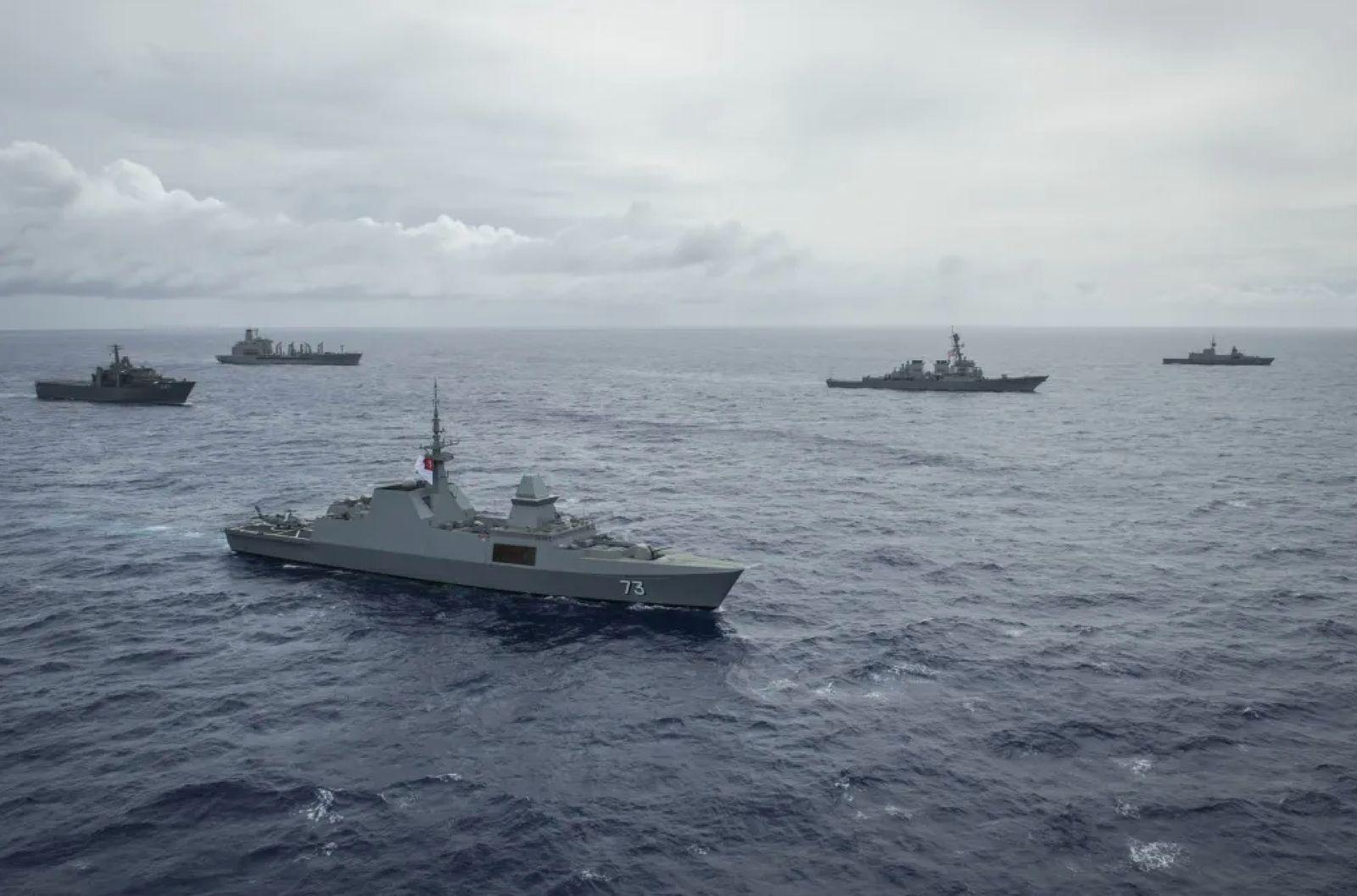
The comments follow a Nov. 18 Federal Register notice from the National Oceanic and Atmospheric Administration seeking public input on a proposed seven-year authorization for military training and testing activities involving sonar and underwater explosions.
The authorization would cover July 2027 through July 2034 and involve the U.S. Navy, Marine Corps, Army, Air Force, and Coast Guard.
The Mariana Islands Training and Testing Study Area includes waters south of Guam to north of Pagan, parts of the Philippine Sea and Pacific Ocean, and a transit corridor toward Hawaii.
The exercises would include anti-submarine warfare, mine warfare, weapons testing, and other military operations that could disturb marine mammals or cause hearing injuries.
OCW 670 also questioned the federal government's use of the term “incidental take” to describe the potential harm.
“These are not routine permits, and the term ‘incidental take’ obscures the severity of what is being authorized,” the group said.
Under federal law, the term can include harassment, injury, or death. However, NOAA's current proposal covers harassment and potential hearing injuries, with no marine mammal deaths anticipated or proposed for authorization.
Federal estimates indicate that pygmy sperm whales could experience as many as 374 instances of hearing injury annually, although that does not necessarily mean 374 individual animals would be injured.
NOAA has preliminarily determined that the military activities would have a negligible impact on affected marine mammal populations, provided safeguards are followed, including reducing or shutting down sonar operations when marine mammals are detected within designated safety zones.
OCW 670 questioned that finding, citing the cumulative environmental impacts of decades of military activities in the Marianas and the possibility of future deep-sea mining.
Deleon Guerrero also criticized how the federal government schedules consultation periods.
“The way all these proposals are unfolding demonstrates how the federal government is failing its obligation to ensure local communities are provided adequate time, resources, and access to meaningfully consent to projects happening around their homes.”
OCW 670 called for an extension of the comment period beyond the holidays, greater transparency about potential injuries to marine mammals, and more meaningful engagement with Indigenous communities.
The current deadline for submitting comments is Dec. 18, 2026.
Comments may be submitted through www.regulations.gov under docket number NOAA-NMFS-2026-2014.
Share this article: