Supreme Court weighs $816K damages claim in Garapan lease dispute

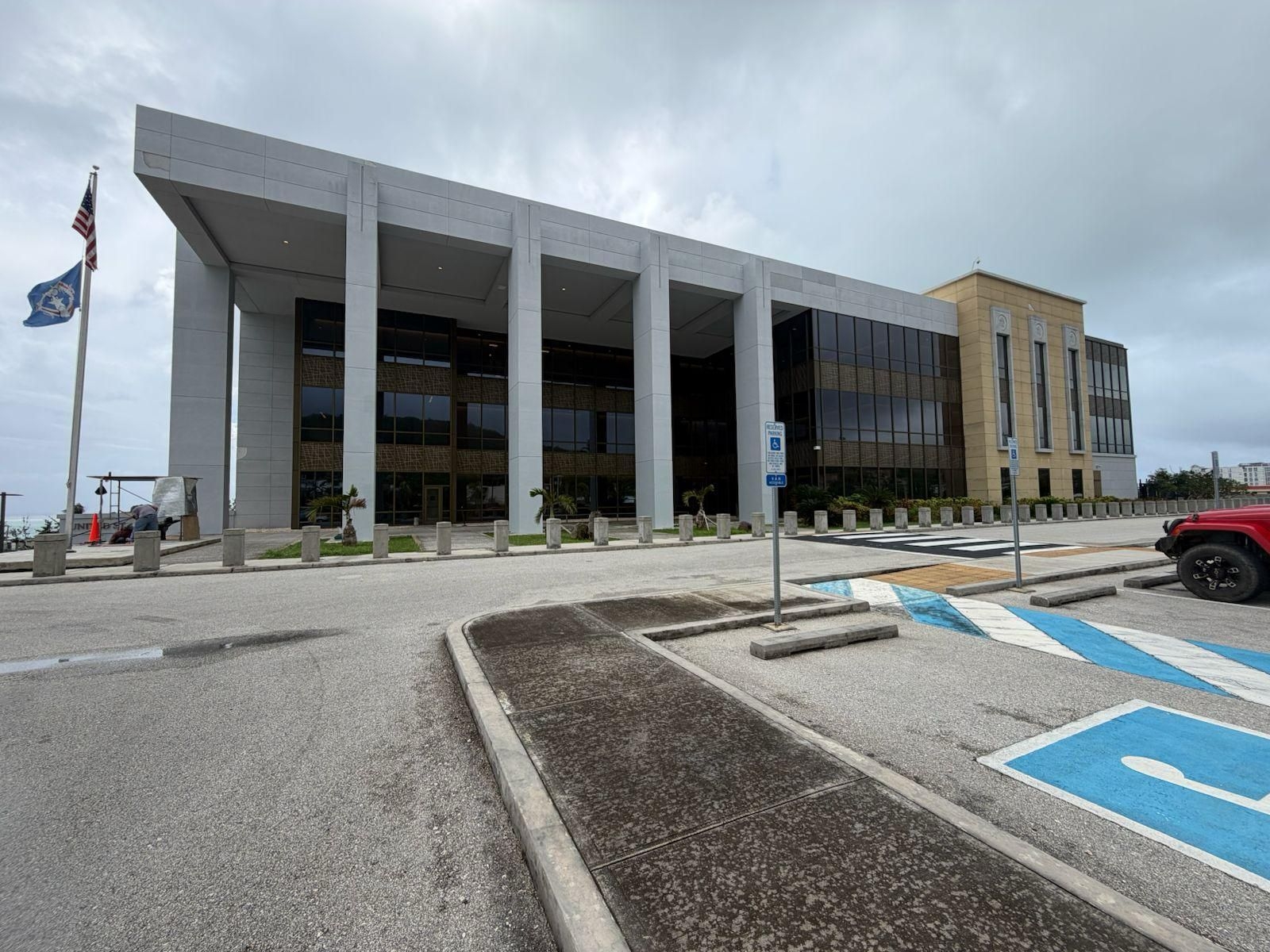
The CNMI Supreme Court last Nov. 23 took under advisement a dispute over more than $816,000 in additional damages sought by Magic International Corp. in a nearly decade-old commercial lease case involving a proposed boutique hotel in Garapan.
Chief Justice Alexandro C. Castro, Associate Justice John A. Manglona, and Justice Pro Tempore F. Philip Carbullido heard oral arguments Nov. 23 from attorney Colin Thompson, representing Magic International, and attorney Stephen Nutting, representing Brite Star LLC.
The appeal centers on whether Magic International should receive additional damages beyond the approximately $162,500 awarded by a jury in a dispute involving a 30-year lease for the May 10th Building in Garapan.
Magic International argues that the additional $816,000 represents losses separate from those already covered by the jury's award, while Brite Star maintains that granting more damages would effectively compensate the company twice for the same injury.
The dispute dates back to Dec. 17, 2016, when Magic International and David Cameron Hood entered into a lease agreement covering Feb. 1, 2017, through Jan. 31, 2047.
Hood planned to convert part of the building into a boutique hotel, but included a handwritten provision making the lease subject to obtaining construction permits and bids. The provision also allowed Brite Star to cancel the agreement before those requirements were completed and approved.
The proposed development never materialized, and disagreements over the permits, construction bids, and rental obligations eventually led Magic International to file a lawsuit in August 2018 seeking $142,500 in unpaid rent and $20,000 in security deposits.
In November 2024, Superior Court Presiding Judge Roberto C. Naraja denied the defendants' motion for partial summary judgment and dismissal, ruling that the handwritten provision did not prevent the formation of a binding lease, but established conditions affecting when the parties' contractual obligations became due.
Naraja also found the provision ambiguous and determined that unresolved factual disputes required further proceedings.
During Monday's hearing, Nutting argued that Hood had the right to cancel the lease because the necessary permits and construction bids were never secured.
He maintained that Hood had hired a professional to obtain the required approvals and had not interfered with the permitting process. Nutting also questioned the basis for imposing additional rental obligations after what his client considers a valid cancellation of the lease in June 2018.
Thompson, however, maintained that the jury's findings concerning Brite Star's conduct supported Magic International's position that Hood's attempted cancellation was ineffective.
He argued that the additional damages represented losses beyond the period covered by the jury's original award, including those arising from the alleged breach of the implied covenant of good faith and fair dealing.
The justices pressed both attorneys on whether the additional damages involved a separate injury or would amount to double compensation for the same loss.
They also examined the effect of the handwritten cancellation provision and whether the lease remains valid and enforceable despite Brite Star's position that it had already been canceled.
Another issue raised during oral arguments was whether the case should be returned to the Superior Court for clarification of the lease's status and the parties' continuing obligations.
The justices also questioned whether certain issues surrounding the jury verdict could still be revisited on appeal, particularly given procedural limitations involving Brite Star's failure to file a timely cross-appeal.
Thompson sought a clear determination that the lease remained enforceable, while Nutting maintained that the cancellation provision had been properly exercised and that the jury's damages award should stand without any additional compensation.
At the conclusion of the hearing, Castro said the Supreme Court would take the matter under advisement and issue a written decision.
Share this article: