Typhoon Damage and Staff Shortages Leave Over 130 CNMI Head Start Slots Unfilled
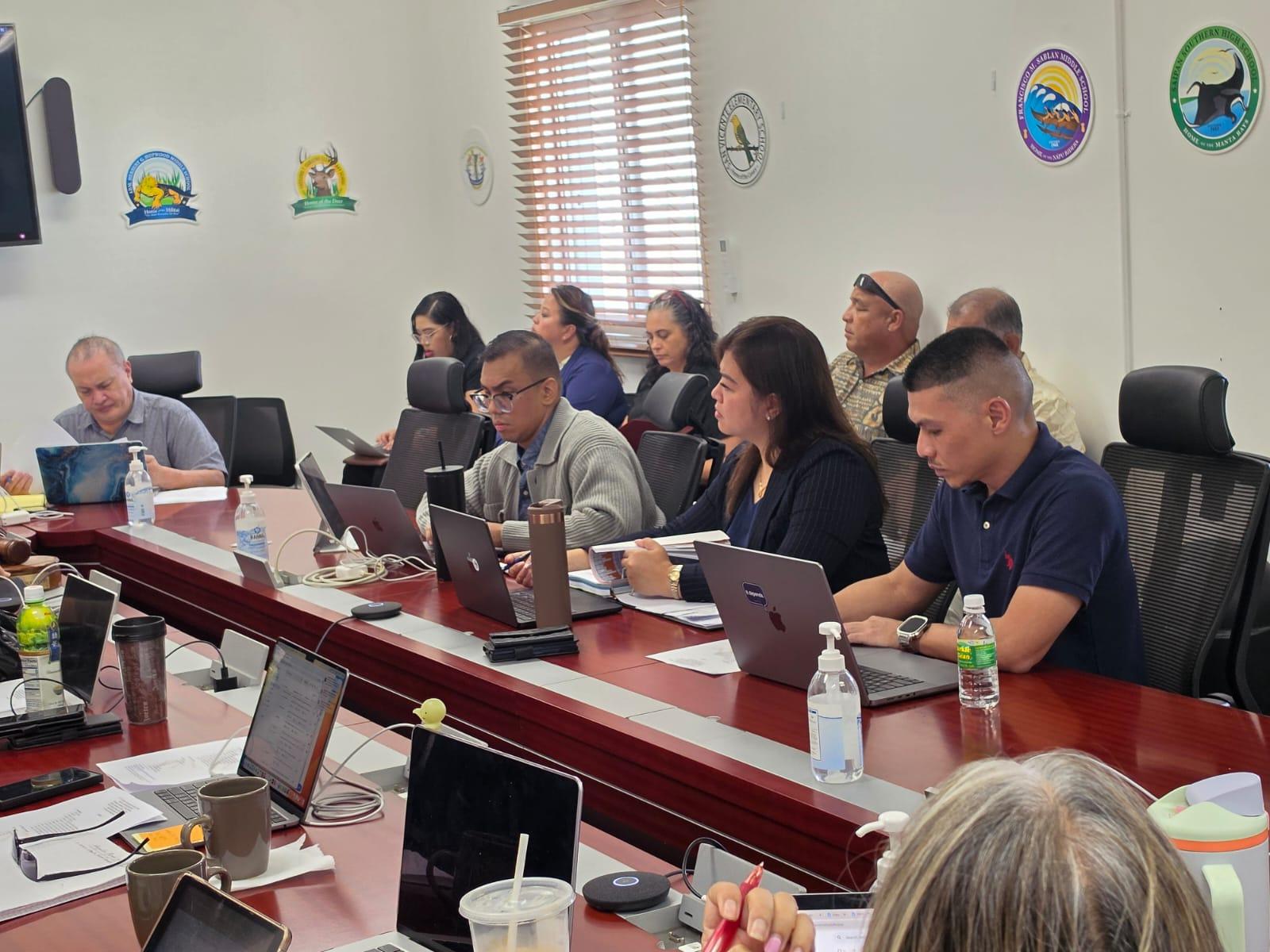
Severe storm damage and persistent staffing shortages have forced the CNMI Public School System’s (PSS) Head Start and Early Head Start programs into a modified reopening, leaving more than 130 funded preschool and infant-toddler slots unserved across the Commonwealth.
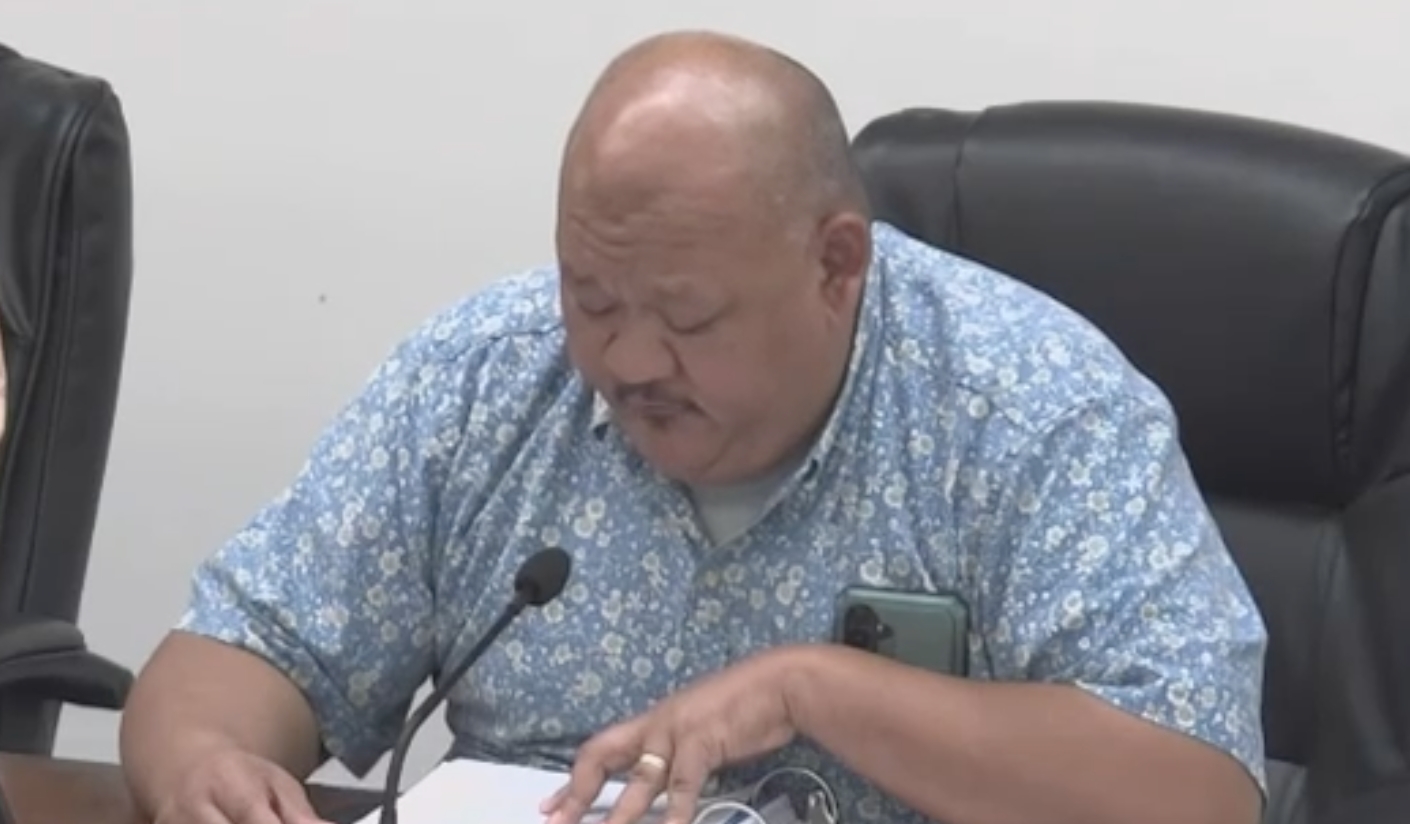
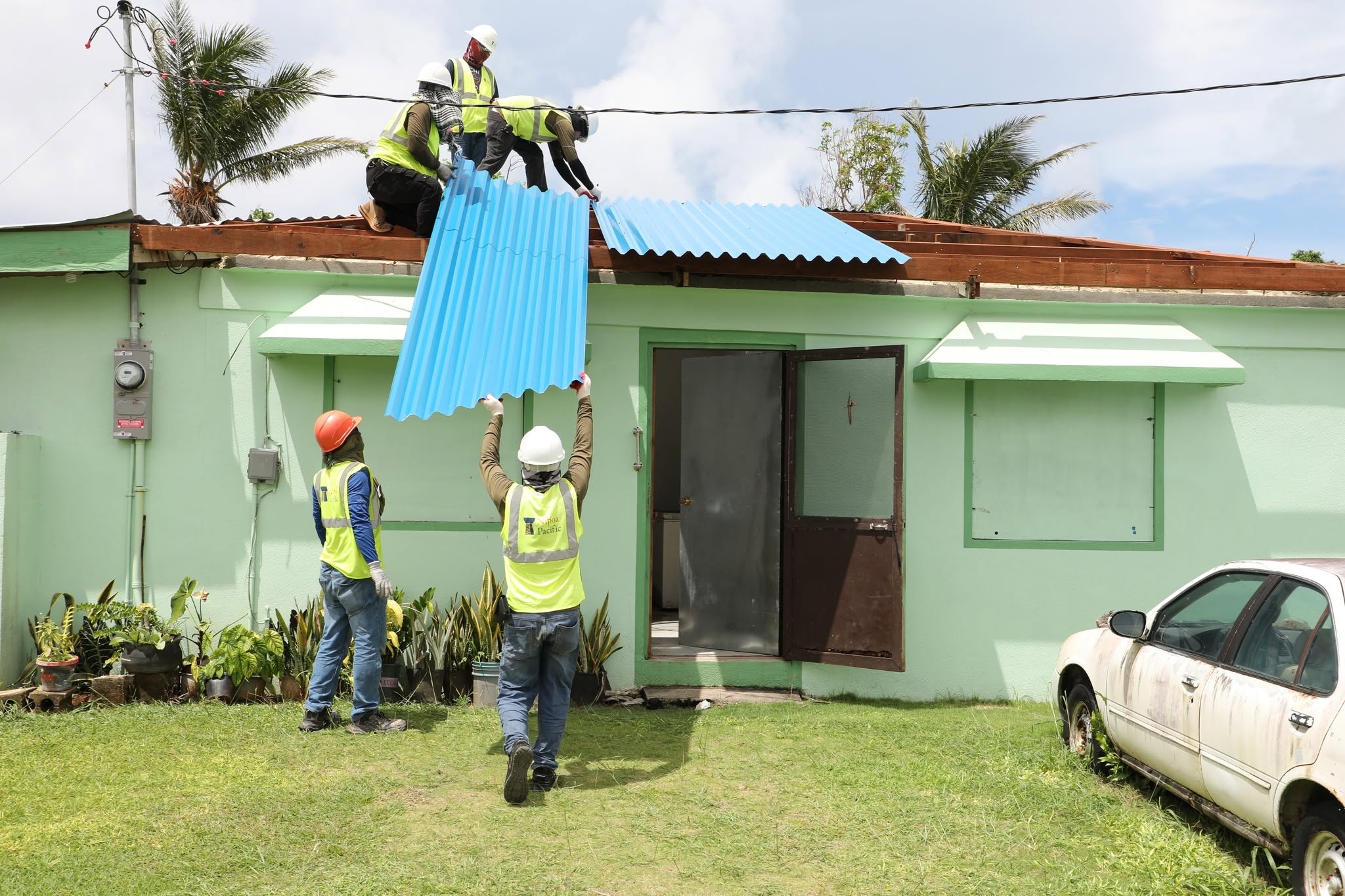
During the Board of Education meeting on September 17, CNMI PSS Head Start Family & Community Partnership Manager Jolene Sablan revealed that while instruction commenced on September 8, only 11 of the system’s 15 classrooms are currently operational. Four Early Head Start classrooms across Chalan Kanoa and Kagman sustained heavy damage from back-to-back typhoons, compounding a worsening shortage of certified early childhood educators.
“Our funded enrollment is 358. We are proposing and will offer 226 slots, which means we have a 132 that will not be served at this time,” reported Sablan.
Early Head Start has been hit particularly hard. Out of 56 federally funded slots, the program can only accommodate 32 infants and toddlers across modified spaces, capped strictly at eight children per room.
Classroom closures extend beyond physical facility destruction. Centers at JMR and Tanapag remain closed due to low neighborhood applicant numbers and teacher vacancies, while the Head Start classroom on Tinian has been shuttered entirely. Last school year, central office administrators routinely flew to Tinian to cover classrooms—an emergency measure Sablan described as unsustainable because it pulled management away from core administrative duties.
The continued closure on Tinian sparked sharp debate among board members regarding teacher compensation, retention, and recruitment.
“Besides SPED, Head Start and Early Head Start are components of federal grants that receive a lot of funding,” noted Board Member, I don't get why people opt to get out in a short term... If you have to increase the amount of salary, revise the salary structure that you’re now giving to these current positions.”
CNMI PSS Program Director Lathania Angui emphasized that the workforce crisis reflects a broader regional and national pattern rather than an isolated local issue.
“The staffing issue that we see in the CNMI is really a nationwide issue for early childhood educators,” Angui explained. “We watched and listened to other programs across the nation talking about staff shortages... other Pacific programs are closing classrooms because they don't have staff.” Angui added that leadership is exploring one-year service agreements coupled with retention incentives to stabilize personnel.
Board members pushed for more aggressive, localized hiring strategies. Dr. Dora Miura suggested targeted incentives to fill neighbor-island vacancies: “Can we offer like a moving bonus? A two-year contract signing bonus?” Meanwhile, Board member Antonio Borja recommended tapping unconventional talent pools on Tinian, such as the qualified spouses of incoming military and civil contractors, as well as recruiting directly from Northern Marianas College’s early childhood education degree .
To address the infrastructure bottleneck, PSS has initiated a federal Section 1303 application to secure major disaster recovery funding to rebuild the destroyed Chalan Kanoa and Kagman facilities.
Simultaneously, Head Start is rolling out a Comprehensive Community Assessment to evaluate shifting family needs across Saipan, Tinian, and Rota. With traditional Head Start preschool waitlists shrinking in several villages while infant-and-toddler demand surges, officials intend to use the assessment data to petition the federal government for a formal “Change in Scope.”
“The community assessment is going to trigger us to determine and make a change of scope,” Angui said. “A change of scope is basically allowing us to convert Head Start slots into Early Head Start where we are seeing the need.”
For now, PSS leadership continues door-to-door outreach, community flyers, and social media campaigns to recruit qualified teachers and eligible families, aiming to bring offline classrooms back into service as quickly as repairs and staffing allow.
Share this article: