US-Iran MOU may bring lower FAC rate, says CUC CFO
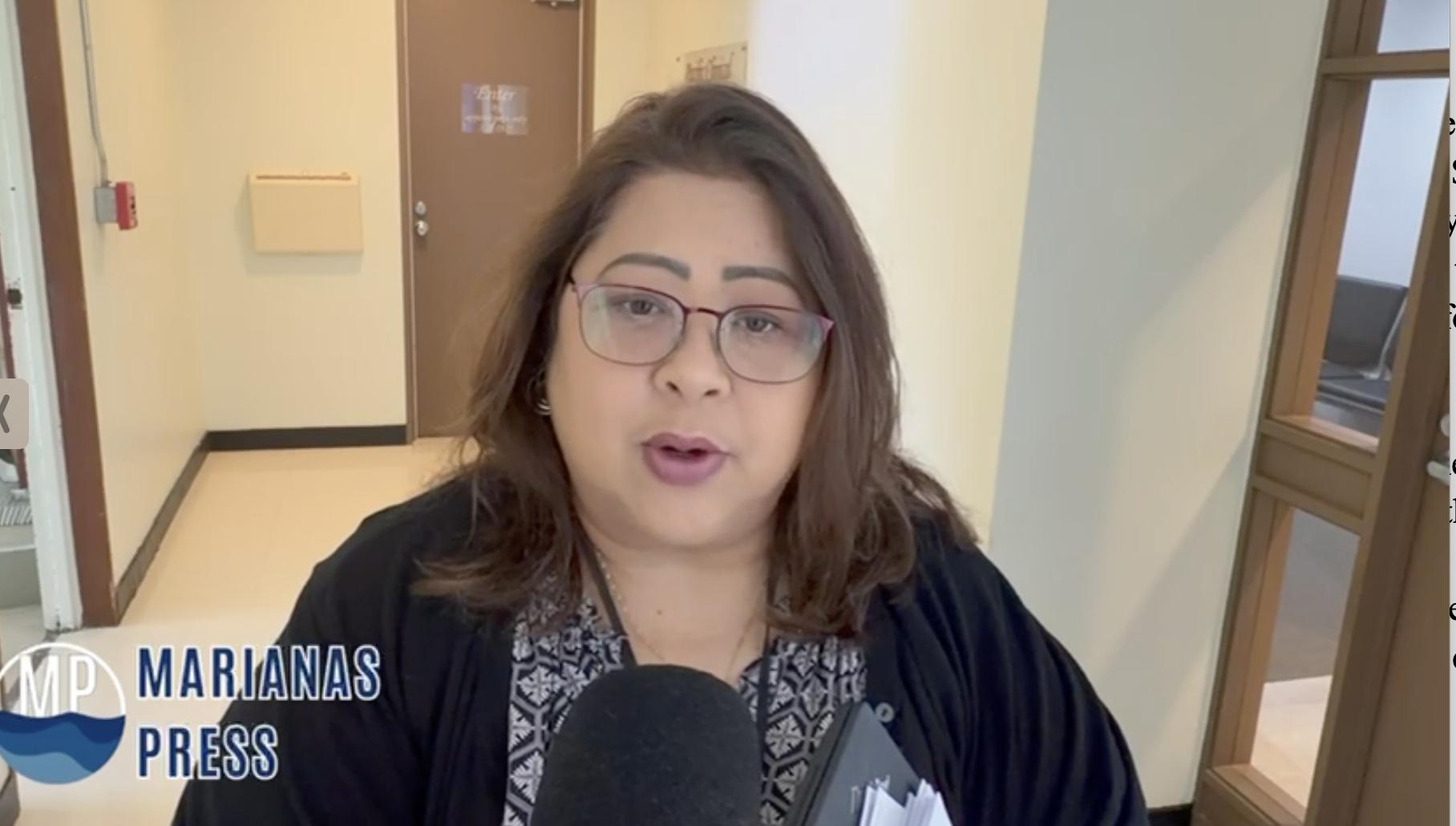
A memorandum of understanding reportedly reached between the United States and Iran that could help reopen the Strait of Hormuz may eventually lead to lower fuel costs and a reduction in the Commonwealth Utilities Corp.'s Fuel Adjustment Charge, according to CUC chief financial officer Betty Terlaje.
Speaking after the Commonwealth Public Utilities Commission meeting last June 18 at Marianas Business Plaza, Terlaje said CUC is already seeing signs that fuel prices are trending downward, although she cautioned that uncertainty remains due to ongoing geopolitical developments.
She noted that while crude oil prices appear to be falling, CUC's fuel costs are based on refined fuel pricing and that any reduction in Mobil's fuel prices could eventually be reflected in the FAC charged to ratepayers.
"We are anticipating that Mobil's prices will also drop, and so then, in turn, that may lower our FAC fee charges," Terlaje said.
She added that it is too early to predict when consumers might see relief.
"I have no timeline, and I am not 100% certain, but I feel good that I see that fuel prices are dropping," Terlaje said.
The prospect of lower energy costs was also welcomed by CNMI leaders.
Delegate Kimberlyn King-Hinds said families in the Northern Marianas have felt the effects of instability in the Middle East through higher gasoline prices, electricity costs, and overall living expenses.
"Any development that moves the region toward stability and offers the possibility of relief from those pressures is welcome news for the people of the Northern Marianas," King-Hinds said.
She also thanked President Trump and his administration for efforts to end the conflict and expressed hope that the agreement would help ease economic pressures on families and businesses.
Meanwhile, Gov. David M. Apatang said the CNMI administration welcomes developments that stabilize international commerce and reduce economic strain on island residents.
"The reopening of vital trade routes does more than lower prices at the pump—it provides our families with essential relief from the rising cost of living," Apatang said.
Terlaje emphasized that CUC does not profit from the FAC and that all fuel-related collections are used to pay for fuel purchases. She encouraged residents to conserve electricity whenever possible while fuel markets remain volatile.
"It is not CUC's desire to just raise rates. Whatever we collect on fuel goes to fuel," Terlaje said.
Share this article: