House and Senate conferees unanimously approved a compromise fiscal year 2027 budget shortly after 9pm Tuesday, Sept. 29, following a marathon conference committee session on Capitol Hill that resolved differences involving Medicaid, the Public School System, government work hours, Federal Emergency Management Agency reimbursements, and other spending provisions.
The session began at 9:30am and stretched into the night, with lengthy recesses as conferees worked behind the scenes to reconcile differences between the House and Senate versions of the spending plan.
Among the issues resolved was Section 201, the advance allotment provision, with conferees agreeing to restore the Commonwealth Medicaid Agency, scholarships, and the Commonwealth Healthcare Corp. healthcare network to the entities eligible for advance allotments.
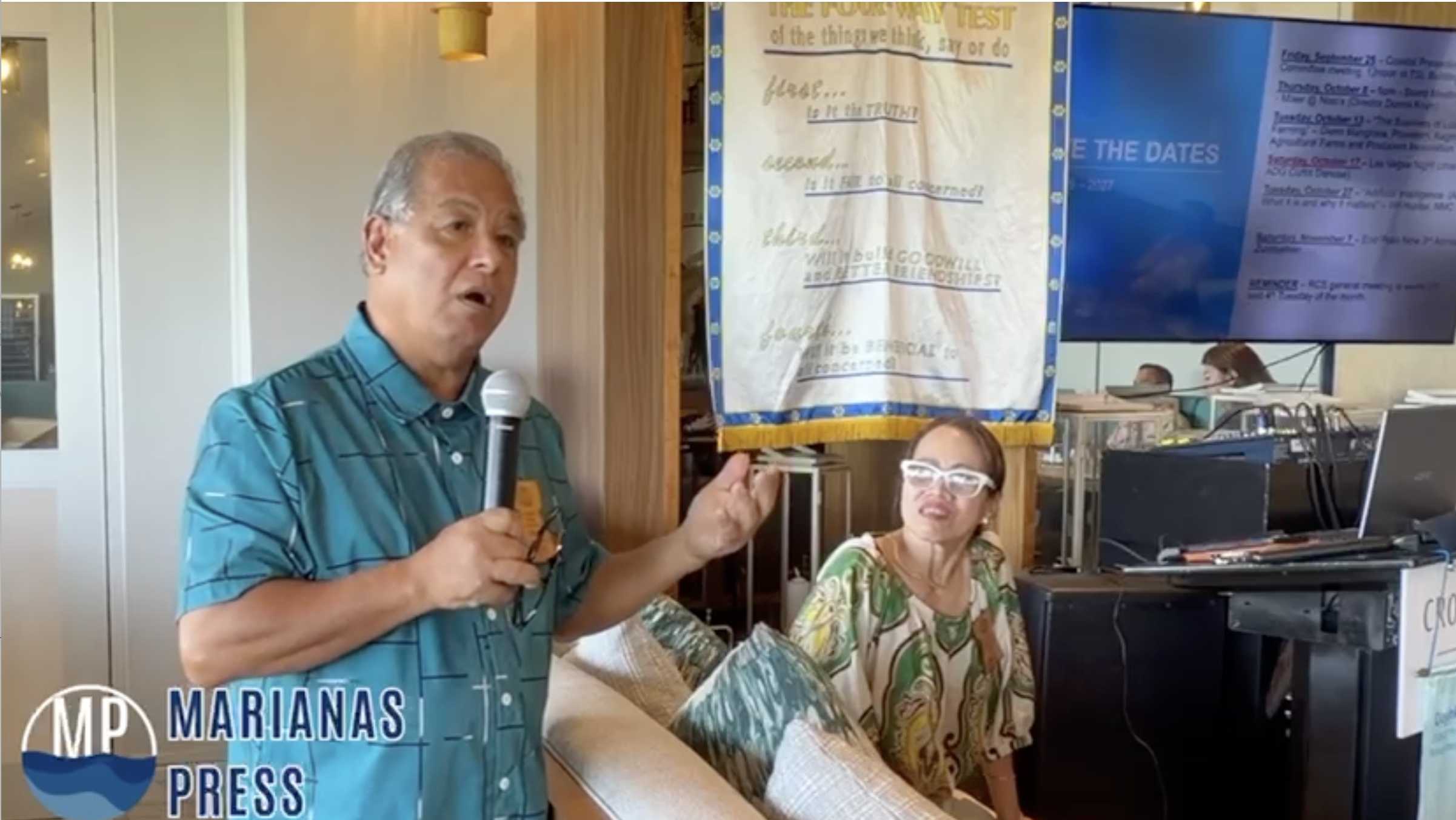
The issue took on added significance after Medicaid director George Cruz told conferees earlier Tuesday that nearly 23,000 people, or more than 55% of CNMI residents, are covered by Medicaid.
The House had sought to retain Medicaid, scholarships, and healthcare under the advance-allotment provision, while the Senate had removed them as it sought to reduce the amount the Department of Finance would have to front-load while also addressing PSS funding.
Senate Fiscal Affairs Committee chair Sen. Jude U. Hofschneider, confirming what would be restored, said, “the scholarship, the healthcare, and Medicaid.”
House Ways and Means Committee chair Rep. John Paul P. Sablan replied, “That is correct.”
PSS was another major sticking point. Conferees identified other funding sources that could be redirected to PSS, including funds under the Department of Community and Cultural Affairs and FEMA reimbursements, as lawmakers sought to bring PSS closer to its roughly $32 million funding request.
Under the compromise reached Tuesday, PSS would remain at 64 hours per biweekly pay period, with conferees also agreeing to include its revolving funds, earmarks, and special accounts in the funding provisions.
For other General Fund-supported government employees, conferees settled on at least 60 hours per biweekly pay period during the first quarter of fiscal year 2027, from Oct. 1 through Dec. 31. Work hours after the first quarter would depend on remaining General Fund allocations, revolving funds, outside funding sources, and any supplemental appropriations.
FEMA-related funding was also addressed separately. Conferees cleared $100,000 for typhoon recovery in each of the Commonwealth’s three senatorial districts, subject to cost reimbursement by the Federal Emergency Management Agency.
Northern Marianas College was also addressed, with conferees agreeing to include NMC under a revolving-account provision after its proposed funding had been reduced from about $6.5 million to $4 million.
Near the end of the session, all six conferees voted for the compromise. The House panel consisted of Ways and Means Committee chair Sablan and Reps. Ralph N. Yumul and Joel Camacho, while the Senate panel consisted of Fiscal Affairs Committee chair Sen. Hofschneider and Sens. Donald M. Manglona and Corina L. Magofna.
The unanimous vote paved the way for the conference committee report to be finalized, signed, and presented to both chambers for approval.
Hofschneider said the Senate could convene before midnight if the report is completed and signed in time. Sablan said, as of Tuesday night, the House was looking at a 9am Wednesday, Sept. 30, session to consider the report.
Both chambers must still approve the conference committee report before the fiscal year 2027 spending plan can be sent to Gov. David M. Apatang for his consideration.
The Legislature is racing against the start of the new fiscal year on Oct. 1. Under the CNMI Constitution, lawmakers must pass a balanced budget by Oct. 1. Once the Legislature completes action on the spending plan, the measure would go to Apatang for executive action.
Failure to pass a balanced budget before the new fiscal year begins would prevent money from being drawn from the General Fund, except to maintain government services and employees considered essential to public health, safety and welfare and the protection of property. Legislators’ salaries would also be suspended until a balanced budget is passed.
Share this article: