CPUC targets Oct. 29 decision on solar deal as deadline looms
The Commonwealth Public Utilities Commission is expected to decide next Thursday, Oct. 29, whether to approve the proposed solar power agreement between the Commonwealth Utilities Corp. and Eastern Power Solutions, just two days before a deadline the developer says is critical to securing financing.
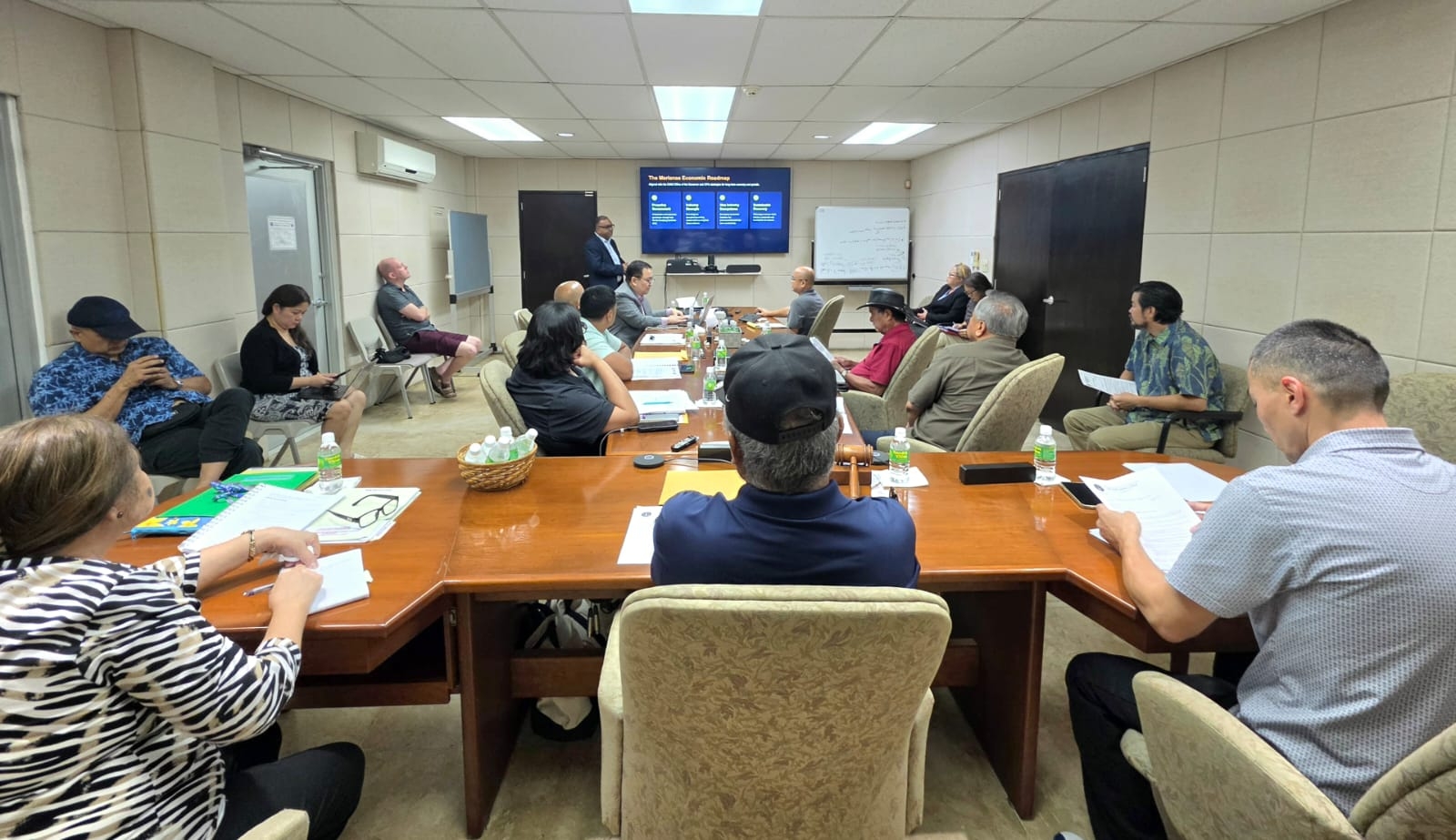
CPUC agreed during the continuation of its special session last Oct. 23 to reconvene at 9am on Oct. 29, with commissioners expected to be ready to vote. However, there is no assurance the agreement will be approved.
The proposed 25-year agreement calls for CUC to purchase solar-generated electricity at a fixed rate of 18.5 cents per kilowatt-hour, with no annual increases. The project would cover Saipan, Tinian, and Rota.
Eastern Power Solutions representative Daniel Myung told CPUC that the Oct. 31 deadline is tied to federal tax incentives needed to finance the project.
“The risk that we mentioned that I need October 31st deadline is because of tax equity,” Myung said.
He explained that the solar portion of the project must be completed by Dec. 31, 2027, to preserve a 30% tax credit under the developer's financing plan.
“So time is of essence that this gets approved so that we can quickly secure the USDA loan and get the construction loan in place to start moving,” Myung said.
However, the agreement still faces legal review before it can be finalized.
CUC legal counsel Tina Ngo cautioned that the proposed contract, which exceeds 100 pages, would require additional time for review and routing to the required signatories.
“This contract is over 100 pages, and it's immensely complex,” Ngo said.
She requested at least three days to route the agreement, with much of that time expected to involve Attorney General Edward Manibusan's review.
The schedule raised concerns about whether the agreement could be finalized before Oct. 31, particularly because the attorney general must review the final contract.
CPUC subsequently agreed to reconvene Oct. 29, while CUC representatives indicated that the agreement would be forwarded to the attorney general ahead of the meeting to expedite the process.
The proposed agreement also drew questions from CPUC legal counsel James S. Sirok about the financial standing of the developer's local subsidiary.
Sirok asked whether Eastern Power Solutions CNMI had participated in the company's previous solar projects elsewhere in the Pacific.
Myung acknowledged that the local subsidiary was established specifically for the CNMI proposal and had not participated in those projects. He also confirmed that the subsidiary and the project's special-purpose company did not currently hold assets.
The exchange highlighted questions about the corporate entities involved in the project and their financial responsibilities under the proposed agreement.
Meanwhile, former CUC assistant attorney general Hunter Hunt urged CPUC to approve the project, saying the financing arrangement would place construction and financial risks on the developer and its investors rather than CUC ratepayers.
Hunt, who advised CUC from 2022 to 2024, said the agreement could provide more predictable electricity costs while reducing the Commonwealth's dependence on imported diesel fuel.
“So if approval is delayed and that window is missed, then project financing becomes materially more difficult,” Hunt said.
Hunt maintained that the proposed financing structure is commonly used in renewable energy projects and that the 18.5-cent rate would remain fixed throughout the 25-year agreement.
CPUC also heard concerns from business owners and other ratepayers over CUC's proposed electricity rate increase and typhoon restoration surcharge.
Garapan businessman Steve Jang said rising electricity costs had forced him to close his cafe and urged CPUC to protect struggling businesses.
“Let us keep the lights on without putting our businesses out of business,” Jang said.
Share this article: