CUC reports progress on oil remediation, water loss reduction
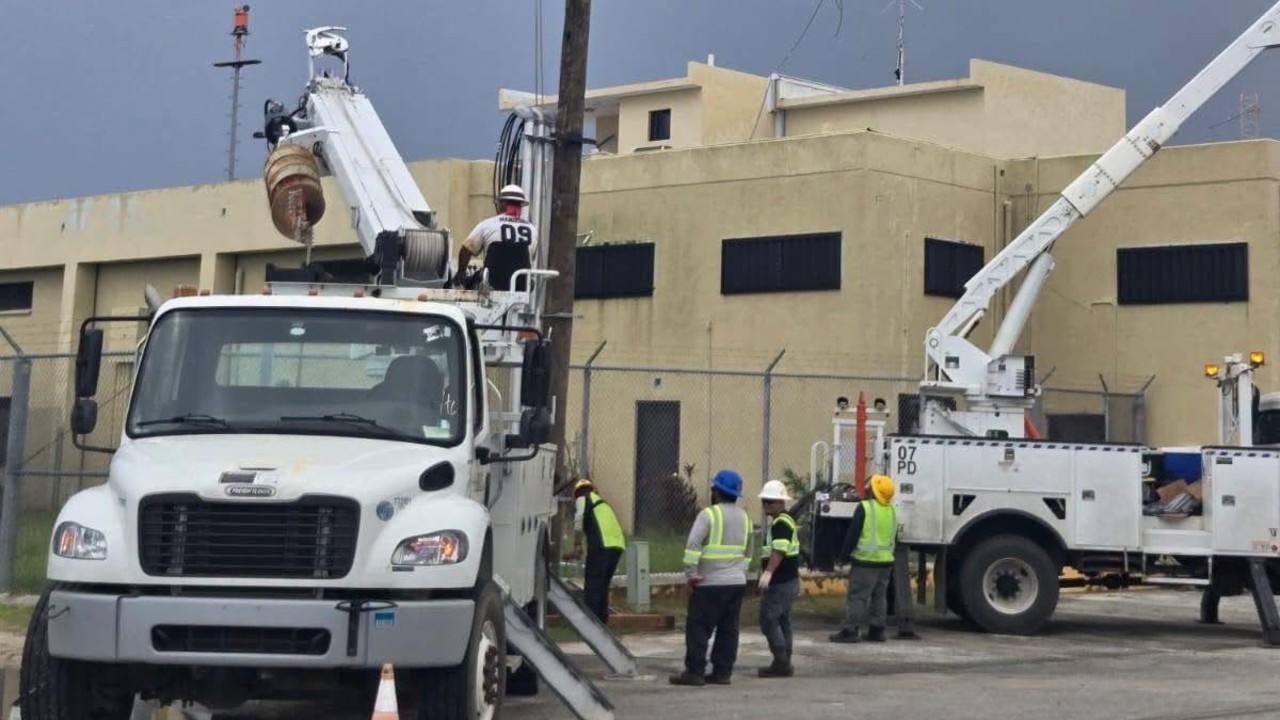
The Commonwealth Utilities Corp. told a federal judge it has made significant progress in stopping oil contamination and reducing water loss across Saipan, according to executive director Kevin Watson.
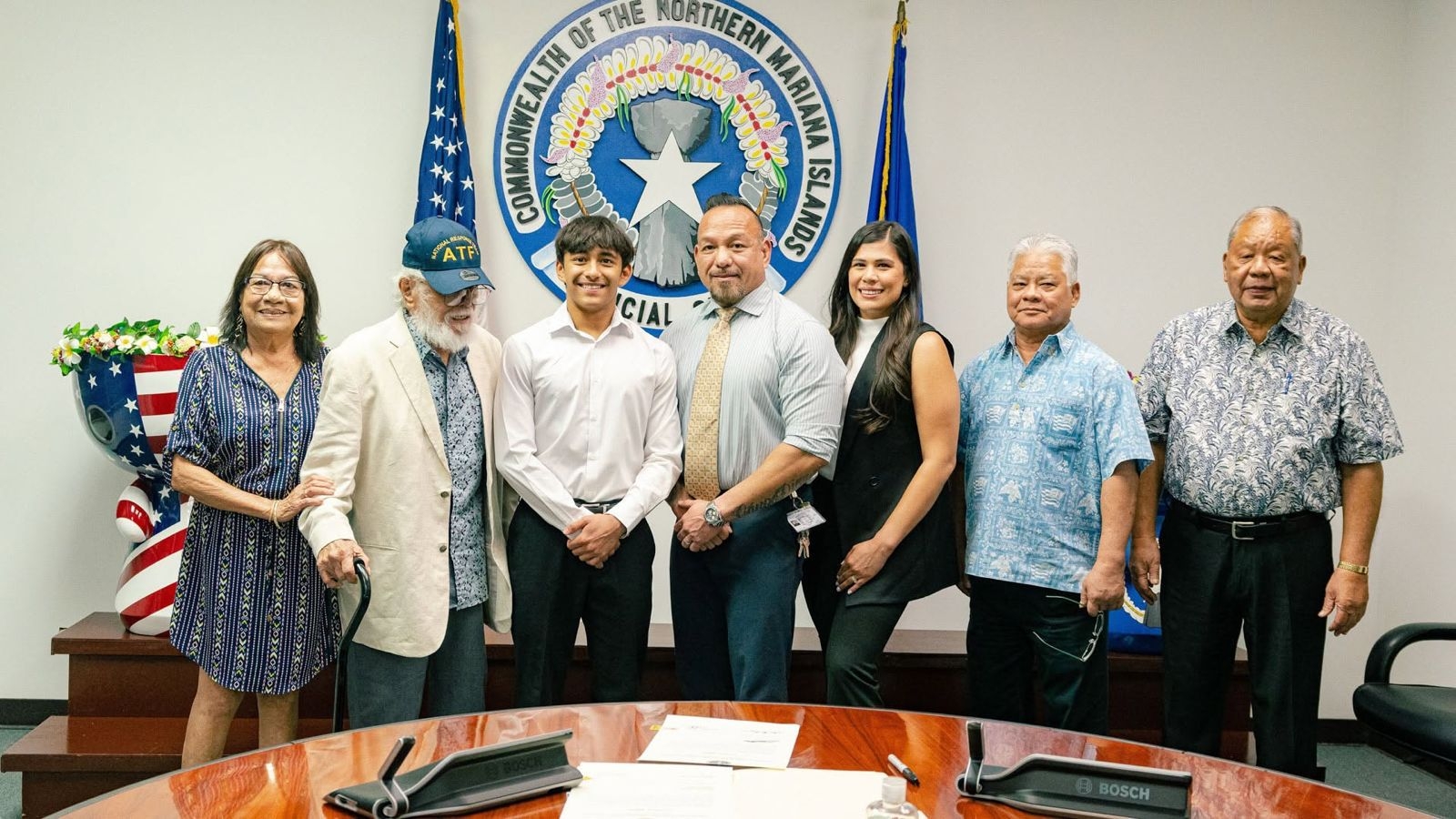
Watson appeared before District Court for the NMI designated judge David O. Carter during hearings on stipulated orders last Feb. 26 at the District Court of the Northern Mariana Islands in Gualo Rai.
“It’s the hearing for Stipulated Order 1, which covers the water and wastewater, and Stipulated Order 2, which is for the oils at the power plants,” Watson said.
He said CUC presented evidence showing improvements in preventing oil contamination from reaching surrounding waters.
“This morning we gave a presentation, a PowerPoint presentation, of our successes and what’s transpired with the oils, and how we clean it up and meet all regulations to where nothing is getting to the ocean or the lagoon,” he said.
He added that containment measures are working effectively.
“It’s a process of using oil-water separators and monitoring wells to make sure it’s captured. Also a trench that if any gets past, it will be captured there as a barrier to keep it from getting to the lagoon,” Watson said.
He said Carter responded positively to the progress.
“Judge Carter is well-pleased and really commended CUC staff on a job well done,” he said.
Watson said the utility also updated the court on efforts to reduce non-revenue water, which refers to water produced but not billed due to leaks, faulty meters, or unauthorized connections.
“Non-revenue water is a combination of leaks in the system or undocumented connections. And also the water meters may be under-registering because of the condition of the water here on the island of Saipan,” he said.
He explained that mineral buildup affects meter accuracy.
“The water will still be able to flow through. However, it won’t give an accurate measurement of the water going through. More water will go through the meter than what is being registered,” Watson said.
Watson said islandwide non-revenue water currently stands at 56%, an improvement from five years ago.
“It was, five years ago, 78% to 80%. And now we brought it down to 56%,” he said.
He said one Tank Service Area, Gualo Rai, achieved even greater improvement.
“We brought it down from 78% to 80% to 6%,” Watson said.
CUC is now focusing on its largest service area—the Isley TSA.
“Why are we concentrating on Isley? Because it is our largest tank service area by production and distribution of the water to the public. So if we can bring that non-revenue water down, it will be a great savings for the CUC and CNMI,” he said.
Watson said Carter also toured utility facilities, including Rota’s power plant and water sources.
“They were educated on where the water comes from for the island of Rota and complimented the staff on doing such a good job, a great job on remediating the oil,” he said.
Watson expressed confidence that continued improvements will satisfy the court.
“I think he’s going to be very happy. We’re going to make tremendous progress. We put a plan together, and now we just need to implement that plan to a successful completion,” he said.
During the afternoon hearing, CUC gave assurances to Carter that the Isley TSA will be given its full attention as far as non-revenue water is concerned.
Under the plan, CUC outlined a six-month plan targeting leak detection, meter replacement, audits, and enforcement to reduce non-revenue water in the Isley TSA.
CUC said the strategy is part of a broader “five-pronged” approach that includes leak detection and repairs, improved metering, individual customer audits, enforcement against illegal connections, and infrastructure repairs.
Within the next six months, CUC’s non-revenue water team will complete leak detection throughout the entire Isley service area, allowing crews to locate and repair system leaks.
The utility will also replace meters at all 35 production wells in Isley to ensure accurate measurement of water production. At the same time, a separate meter replacement team will install new working meters for all residential, commercial, and government customers found to have defective meters.
CUC will also conduct door-to-door audits, including on-off flow tests, to identify leaks, faulty meters, or unauthorized connections. It said 50% of audits in Isley are expected to be completed within six months, with full completion targeted within one year.
In addition, crews will install a temporary strap-on flow meter at the Isley tank within two months to improve system monitoring until a full SCADA monitoring system is implemented.
The autonomous utilities agency said the overall goal is to reduce non-revenue water in Isley by 10% within six months.
Overall, CUC will continue meter testing throughout the period and develop standard operating procedures for responding to leaks and irregularities. The utility is also testing new leak detection equipment to improve the identification of water losses.
Separately, CUC is pursuing legislation to strengthen utility theft enforcement and plans to coordinate with law enforcement and prosecutors to improve investigations and prosecutions.
According to the Federal Register, CUC’s stipulated orders were issued in November 2008 after the U.S. Environmental Protection Agency sued the utility for violations of the Clean Water Act and Safe Drinking Water Act, and they serve as a court-mandated roadmap for reforms.
Stipulated Order 1 focuses on water and wastewater and requires CUC to provide 24-hour safe drinking water, repair and upgrade aging infrastructure such as treatment plants, and improve management by hiring qualified personnel. Stipulated Order 2 addresses oil and power systems, requiring the utility to prevent oil spills, remediate past contamination, and ensure its power plants comply with environmental safety regulations.
Share this article: