CUC warns residents about FOG clogs
The Commonwealth Utilities Corp. is urging residents and food establishments to properly manage fats, oils, and grease—collectively called FOG—to protect public health and prevent costly sewer backups.
Gale Saures, an engineer technician with CUC’s Wastewater & FOG Division, explained that FOG is a natural byproduct of cooking during a presentation to the Rotary Club of Saipan meeting last March 31 at Crowne Plaza Resort Saipan.
“Fats are solid at room temperature, like butter. Oils are liquid at room temperature, such as vegetable oil or canola oil. And grease is usually liquid that turns into solid, like bacon grease or pan drippings,” she said.
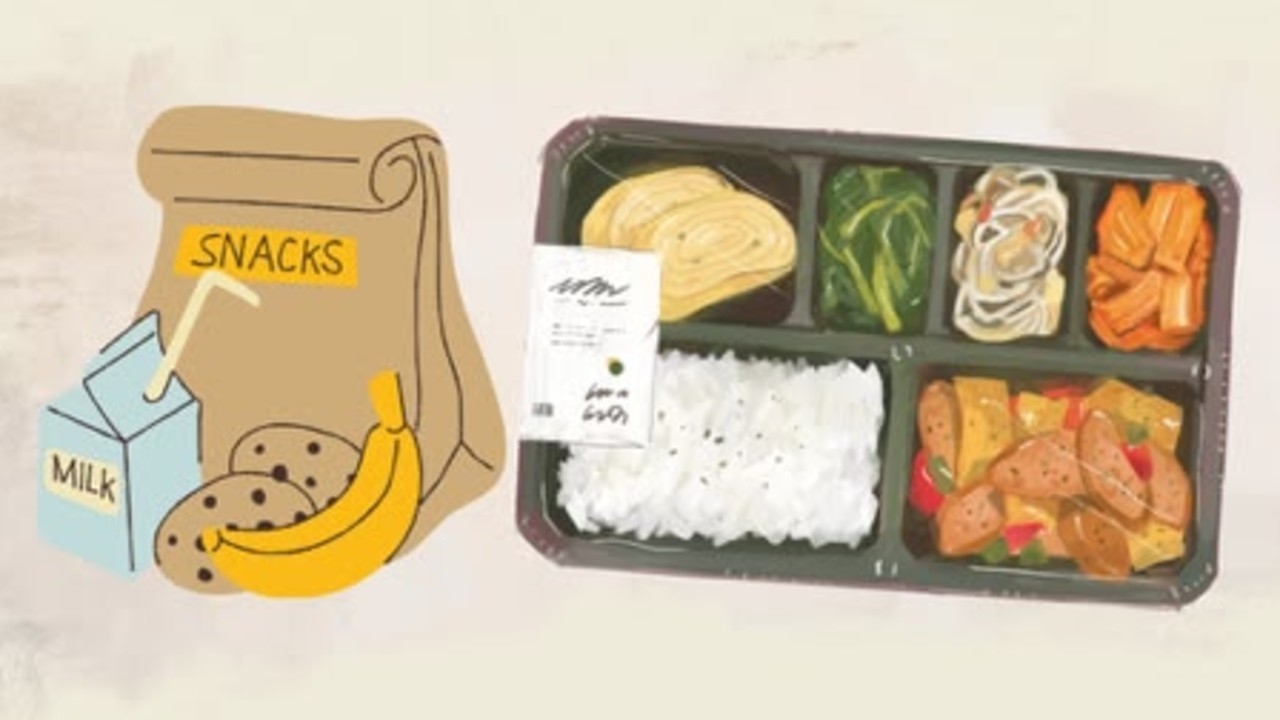
Saures added that hidden FOG is not limited to cooking oils. “It’s also in salad dressings, dairy products such as milk or cream, and even in your food scraps,” she said.
According to Saures, improper disposal of FOG can cause serious problems in the sewer system.
“When FOG is liquid and warm, it looks harmless going down the drain. However, as it travels, it cools and hardens, like concrete. It traps other debris, forming blockages called ‘fats, oils, and grease fabrics.’ This can lead to foul odors, expensive repairs, and unsanitary sewage backups in your homes and out on the street.”
CUC has recorded an upward trend in sanitary sewer overflows in recent years, Saures said.
“We’ve seen 72 overflows in 2023, 43 in 2024, and 45 in 2025.”
She encouraged residents to follow simple practices to prevent clogs—sScrape your leftovers from your plates into a trash bin, contain your liquids, use a strainer in your sink, and wipe down pots and pans before washing.
Saures also warned against common mistakes.
“Never pour oil down your drain. Hot water only melts the grease and pushes it further down, causing clogs. Dishwashing detergent may break down FOG, but it doesn’t get rid of it—it still goes down the drain and clogs.”
CUC is also planning future measures to curb FOG-related issues, including fees for food establishments and converting used oils into biodiesel for utility equipment.
“We hope to have a septic collar to pump out grease chunks from establishments on a regular maintenance schedule to prevent FOG,” Saures said.
Jeff Reyes, CUC’s acting operations supervisor for the Wastewater & FOG Division, described the broader impact of FOG on the island’s wastewater systems.
“The collection system transports wastewater from homes and businesses to our treatment plants through a network of gravity lines, manholes, and lift stations. FOG reduces pipe capacity and flow efficiency, leading to grease clogs, increased maintenance costs, and a higher risk of backups and regulatory violations,” Reyes said.
Reyes also explained the three-stage wastewater treatment process. “Preliminary treatment uses physical barriers to catch large items and lets heavy particles sink. Secondary treatment is biological—good bacteria eat harmful organic waste. Finally, sludge is collected and processed to remove water before safe disposal,” he said.
He emphasized the importance of meeting water quality standards.
“Before water is released, it undergoes rigorous testing three times a week. We must meet strict permit limits set by the [Environmental Protection Agency] and our government partners to ensure the water is safe for coral reefs and marine life,” Reyes said.
Reyes said CUC currently operates two wastewater treatment plants on Saipan.
“The Sadog Tasi plant in the north discharges into the lagoon, so its water has to be cleaner, while the Agingan plant in the south discharges into open waters. We aim to remove as much as 95% to 99% of contaminants, well above the minimum 85% required by our permits,” Reyes said.
Share this article: