Customs welcomes invasive species transfer, sees stronger border defense
Customs and Biosecurity officials welcomed the transfer of the CNMI’s Invasive Species Program from the Department of Lands and Natural Resources, saying the move should strengthen the Commonwealth’s defenses against invasive species by putting border enforcement and technical expertise under one command.
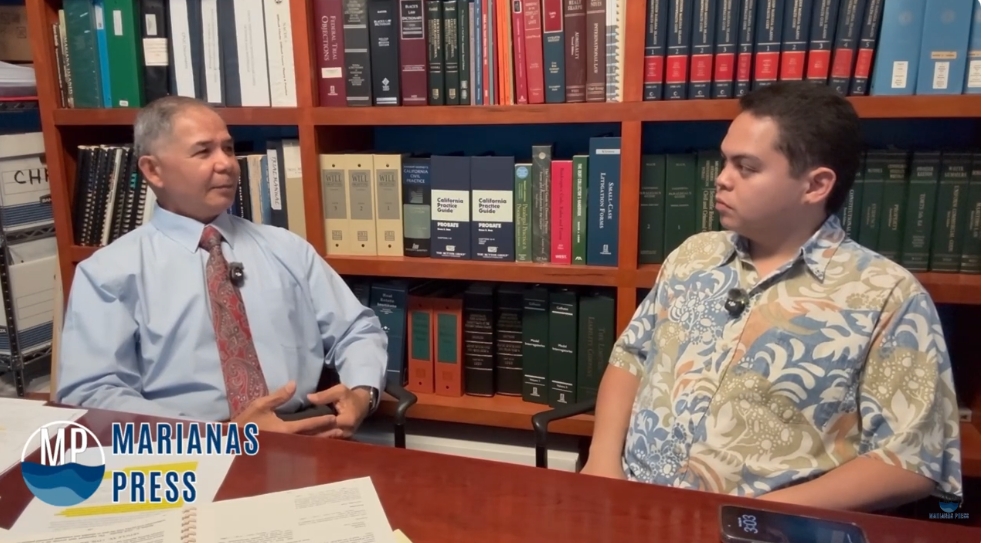
Division of Customs and Biosecurity director Jose C. Mafnas said the transfer makes sense because Customs officers are already stationed at the Commonwealth’s ports of entry and inspect incoming cargo and goods for a range of threats.
“I support the transfer. I’m happy about the transfer,” Mafnas told Marianas Press.
Mafnas said Customs is responsible for protecting the CNMI’s borders not only from invasive species, but also illegal drugs, undeclared goods, and prohibited agricultural commodities.
He said Customs officers are already conducting inspections at the airport, seaport, postal facilities, and other ports of entry, and can now be trained by Invasive Species Program specialists on what additional threats to look for.
“With this, it’s like a one-stop shop. We do the inspection here for everything, and once it’s clear, send them out to the importer sites,” Mafnas said.
Mafnas said he still wants to learn more about the program and wants Customs officers trained in invasive species enforcement.
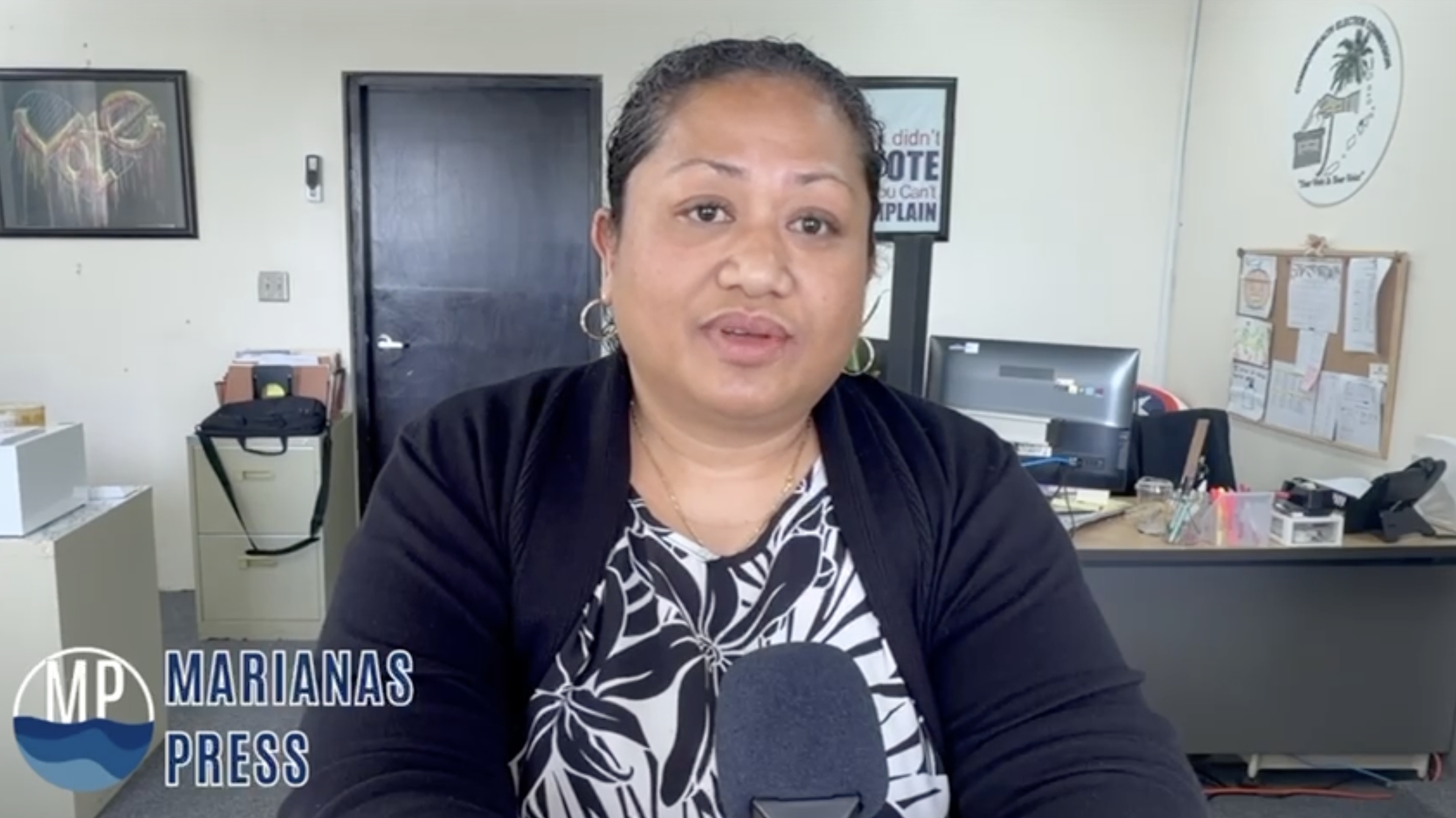
Invasive Species Program coordinator Natasha Tomokane likewise welcomed the transfer.
“First of all, we’re really happy to be under Customs and Biosecurity,” Tomokane said.
She said Customs had already been a major partner of the Invasive Species Program while it was housed under DLNR and that bringing the program under Customs should provide better visibility over what is coming through the CNMI’s ports.
Tomokane said the program continues to deal with existing invasive species, including the coconut rhinoceros beetle, or CRB, on Rota and Mucuna vine on Saipan, while looking to conduct baseline surveys to detect other invasive species already present in the Commonwealth.
Gov. David M. Apatang signed Executive Order 2026-018 last Sept. 9, transferring the Invasive Species Program from DLNR to the Department of Finance, where it will be organized under the Division of Customs and Biosecurity.
The executive order transfers the program’s prevention, surveillance, early detection, rapid response, containment, control, eradication, public outreach, and interagency coordination functions involving the CRB, Mucuna vine, and little fire ant.
The order also transfers personnel, property, equipment, records, and funds associated with the program while providing for continuity of federally funded positions and grants. Finance and DLNR are required to develop a transition plan covering personnel, property, grants, records, and continued field operations on Saipan, Tinian, and Rota.
Col. James Deleon Guerrero, who oversees the biosecurity program at Customs and Biosecurity, said the transfer essentially completes a consolidation that began more than five years ago.
In April 2021, the agricultural quarantine function under DLNR was transferred to the Department of Finance and placed under Customs and Biosecurity. Deleon Guerrero said, however, that the supporting programs did not move with it.
“Since then, we have been advocating that it will be consolidated,” Deleon Guerrero said.
He said separating related functions between agencies added layers of bureaucracy and made coordination more difficult.
Under the new arrangement, Deleon Guerrero said Customs and the Invasive Species Program will be able to pool manpower, equipment, funding, training, and expertise.
“The biggest, I think that the biggest benefit that will come up on this is that at the end of the day, we’re pooling resources, whether it’s manpower, equipment, funding, and training, and all of those things,” he said.
Deleon Guerrero said integrating the two operations should result in quicker responses to biosecurity concerns both at ports of entry and within the community.
For the Invasive Species Program itself, Tomokane said its basic mission does not change.
“The invasive species roles and functions and program objectives remains the same. Our operational purview on all invasive species activities within the CNMI remains the same,” she said.
What changes include expenditure authority and the transfer of personnel and assets, while the program continues its eradication, containment, surveillance, and other invasive species work.
Deleon Guerrero said pooling the program’s specialized technicians with Customs personnel should allow both sides to learn from one another and improve the Commonwealth’s overall biosecurity response.
Mafnas said the objective is straightforward.
“We stop it at the border, intercept it at the border,” he said. “And that includes not only invasive but all other threats against the CNMI.”
Share this article: