DCRM staff complete specialized Wetland Delineation Training in California
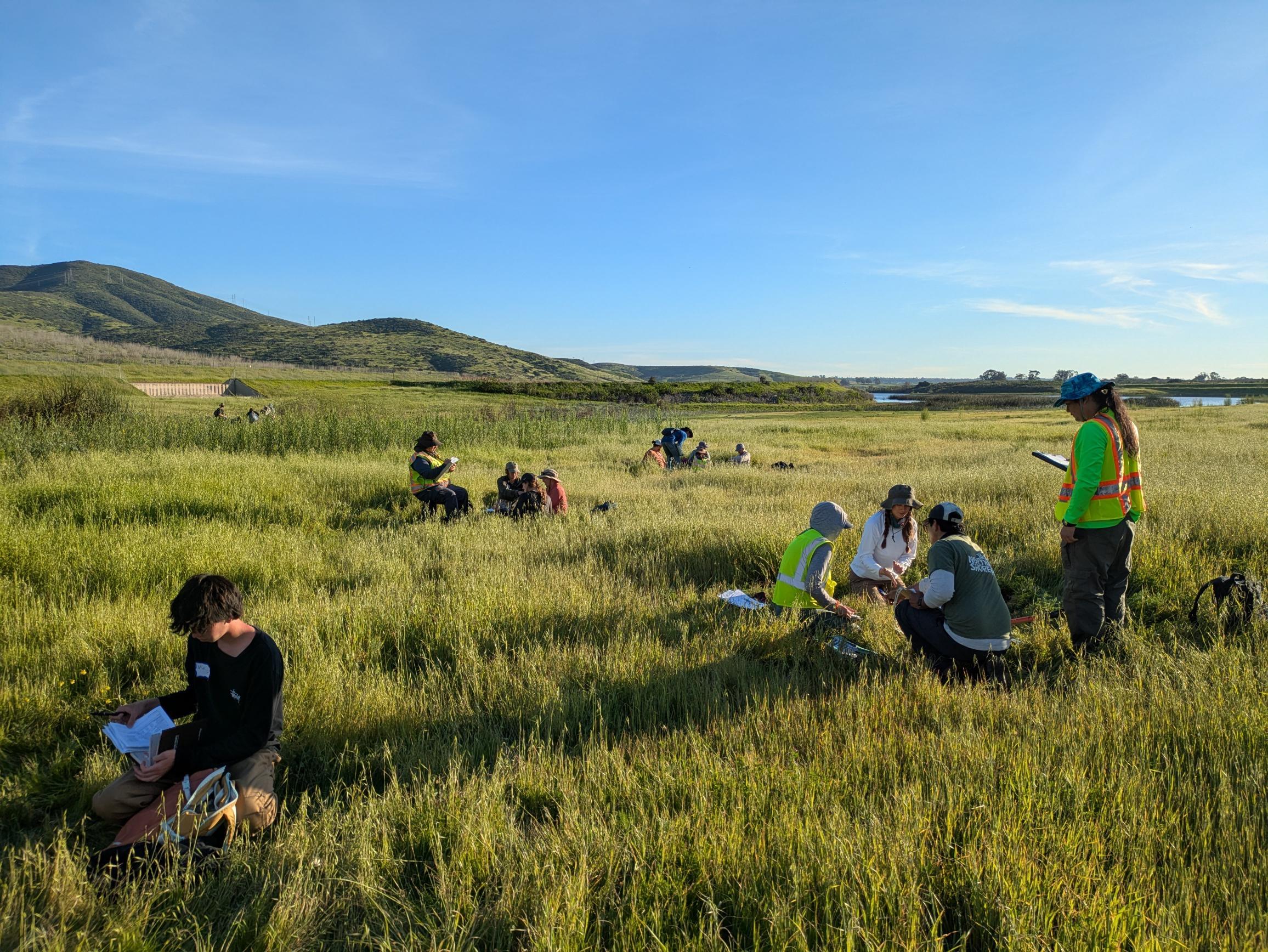
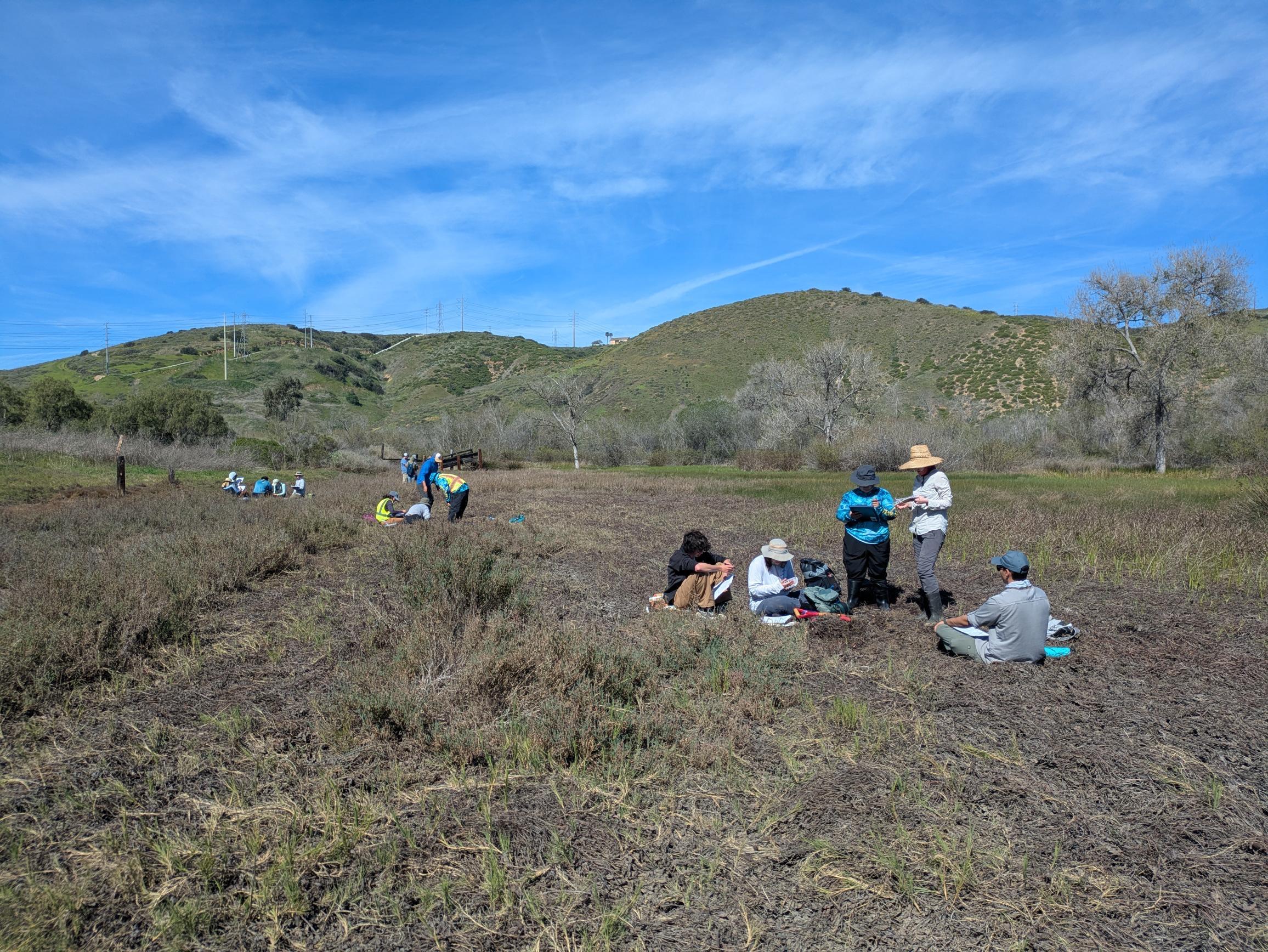
Staff from the Division of Coastal Resources Management (DCRM) recently completed a specialized Wetland Delineation Training held February 23–24 in San Diego, California, strengthening the agency’s ability to protect wetlands and make informed environmental decisions for the community. The course fulfills the basic wetland delineation training standards established by the United States Army Corps of Engineers (USACE) and provided DCRM team members Jovahna Flores (Planning), Lorenza Duenas (Permitting), and Atdao Rosario (Enforcement) with hands-on instruction in identifying wetland boundaries using scientific field indicators such as hydrophytic vegetation, hydric soils, and wetland hydrology, along with techniques for conducting jurisdictional determinations—even in complex or challenging site conditions.
Led by instructors Stephen Stringer, Stacy Nigro, and Larry Sward, the intensive training included full-day field sessions at multiple ecological sites, including Sweetwater Reservoir, Los Peñasquitos Canyon, and the East Fortuna Staging Area, where participants practiced real-world delineation methods used by regulatory professionals. This advanced instruction enhances DCRM’s technical capacity to accurately identify wetlands—an essential step in protecting sensitive ecosystems, ensuring regulatory compliance, improving permit review accuracy, supporting science-based coastal management, and strengthening coordination with partner agencies. Because wetlands play a crucial role in shoreline stabilization, flood protection, water filtration, and wildlife habitat, investing in staff expertise ensures the government can continue safeguarding these natural resources for current and future generations.
"This training gave us practical, field-based experience that we can immediately apply in the CNMI," said Flores. "It strengthens our ability to make clear, consistent decisions that protect wetlands while helping projects move forward responsibly.
Share this article: