The proposed expansion of the Guam-CNMI Visa Waiver Program to the Philippines and five other Asian countries faces a difficult road in Congress and may have to be pursued into the next congressional term, CNMI Delegate Kimberlyn King-Hinds said.
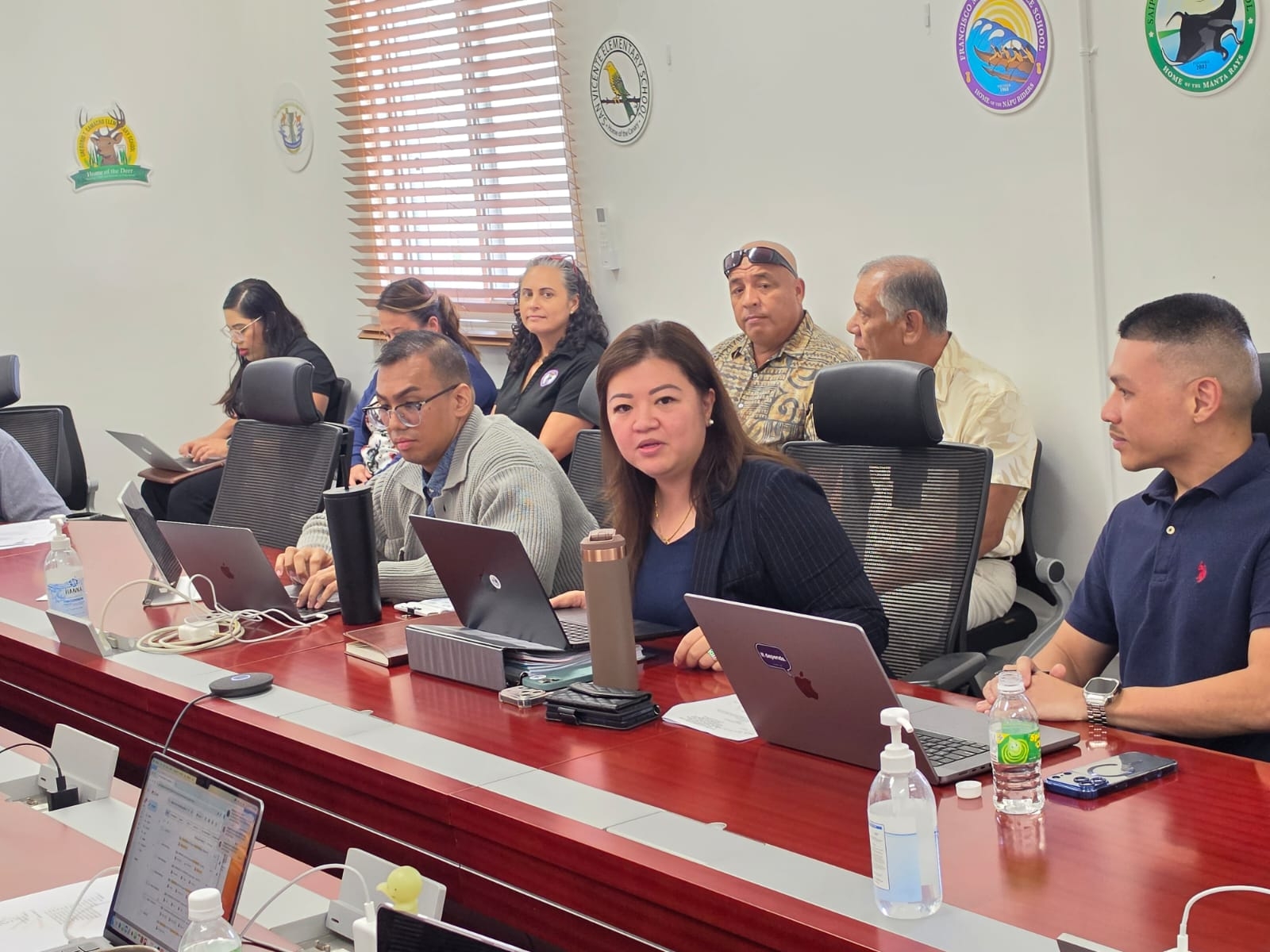
King-Hinds made the assessment during a Sept. 17 press conference held in connection with the Guam-CNMI Philippines Visa Waiver Working Group summit at the A.B. Won Pat International Airport.
H.R. 10341, or the Marianas Tourism Advancement Act of 2026, would add the Philippines, India, Vietnam, Thailand, Indonesia, and Mongolia to the Guam-CNMI Visa Waiver Program.
King-Hinds, who introduced the measure with Guam Delegate James Moylan as an original co-sponsor, acknowledged that the current national debate over immigration presents a significant hurdle.
“If we're reading the room, and we're looking at how the national conversation is being had about anything immigration-related is being had, this is going to be a tough piece of legislation,” King-Hinds said.
She said Guam and the CNMI need to consistently explain to Washington that the Marianas face economic realities different from those on the U.S. mainland.
“This is about a united front about the economic realities that are not reflective of what's happening here in the mainland and what's happening in the islands,” King-Hinds said.
King-Hinds said the visa waiver proposal is also an opportunity for the Marianas to change the conversation in Washington.
“This is a gateway to that conversation where Guam and the CNMI can actually be consistent with the messaging that this area or this region is not just about military,” she said. “We want to be able to have our own economy and to be able to support our economic ... everything as it relates to our ability to provide our people, whether it be healthcare, public school, anything.”
She said the legislation is about ensuring the islands have enough visitors to sustain their own economies while addressing federal security concerns.
King-Hinds also tempered expectations that the newly introduced legislation could move quickly through Congress.
“The truth is, if you are paying attention to what's happening here in D.C., Congress is out for the rest of the month until after election,” she said. “So nothing is going to move until after election or even the next term.”
She said the effort should continue regardless of who represents the CNMI in the next Congress.
Under the proposed legislation, eligible visitors could enter Guam and the CNMI for short-term stays of up to 45 days. King-Hinds said repeated entries showing a pattern of attempting to circumvent immigration laws could be flagged, with additional requirements potentially addressed through federal regulations.
Guam Sen. Jesse Lujan, co-chair of the Guam-CNMI Philippines Visa Waiver Working Group, stressed that the proposal is for visitors and would not provide authorization to work or travel onward to the rest of the United States.
“This proposal is about short-term visits to Guam and the CNMI. It is not a working visa or a route to the rest of the United States,” Lujan said.
For the CNMI, Governor’s Council of Economic Advisers co-chair Joe C. Guerrero said the legislation comes as both the Commonwealth government and private sector face financial challenges.
“In fact, I would say that the impact would be felt more in the CNMI than in Guam, not to downplay the impacts that Guam would receive,” Guerrero said.
University of Guam economist Roseanne Jones estimated that about 25,000 visitors from the Philippines could generate roughly $11 million annually in direct spending on Guam.
“And so the $11 million annually that I would see from perhaps 25,000 tourists coming from the Philippines is an underestimate for what it could actually turn out to be,” Jones said.
She said the estimate does not include tax receipts or the broader economic benefits of improved air service.
Speakers also pointed to Taiwan as an example of the potential of the Philippine outbound travel market. Taiwan began offering Philippine nationals trial visa-free entry in 2017 and has repeatedly extended the program, most recently through July 31, 2027.
Lujan said the experience of Taiwan and Australia demonstrates the strength of the Philippine travel market, while Guam Sen. Christopher Duenas pointed specifically to the growth of Filipino travel to Taiwan.
“The Filipino visitors, the people from the Philippines are one of their largest growing markets,” Duenas said.
Jones said expanding air service is particularly important to island economies.
“Unfortunately, the islands are not connected by a highway system,” she said. “So our only connectivity is to build out our air system.”
She later described her 25,000-visitor projection as conservative and said she expects the number to increase as the market develops.
Moylan said the legislation seeks to expand tourism while maintaining federal security safeguards.
“Well, simply put, this bill is about creating new opportunities for Guam and the CNMI,” Moylan said.
He said travelers would continue to undergo federal screening before boarding a flight, including electronic travel authorization, biometric passport verification, and checks through U.S. and international law enforcement databases.
The bill would preserve the Department of Homeland Security’s authority to suspend a participating country over security concerns. It would also establish additional requirements for such action, including written findings, consultation with Guam and CNMI officials, an economic review, consideration of alternatives, congressional notification, and periodic review.
“This legislation demonstrates that we can strengthen security while creating new opportunities for our people,” Moylan said.
Philippine Tourism Undersecretary Stanley Ng, who participated virtually, said greater air connectivity would require cooperation from both sides.
“For air connectivity to flourish, we really need both ways,” Ng said. “We have to co-promote each other and make this air connectivity sustainable.”
The legislation builds on discussions among Guam and CNMI officials, tourism and business leaders, congressional representatives, and Philippine government officials seeking to expand visitor markets while addressing federal immigration and national security concerns.
Share this article: