Ko’ko’ defies extinction on Cocos Island, conservationists say at MICC
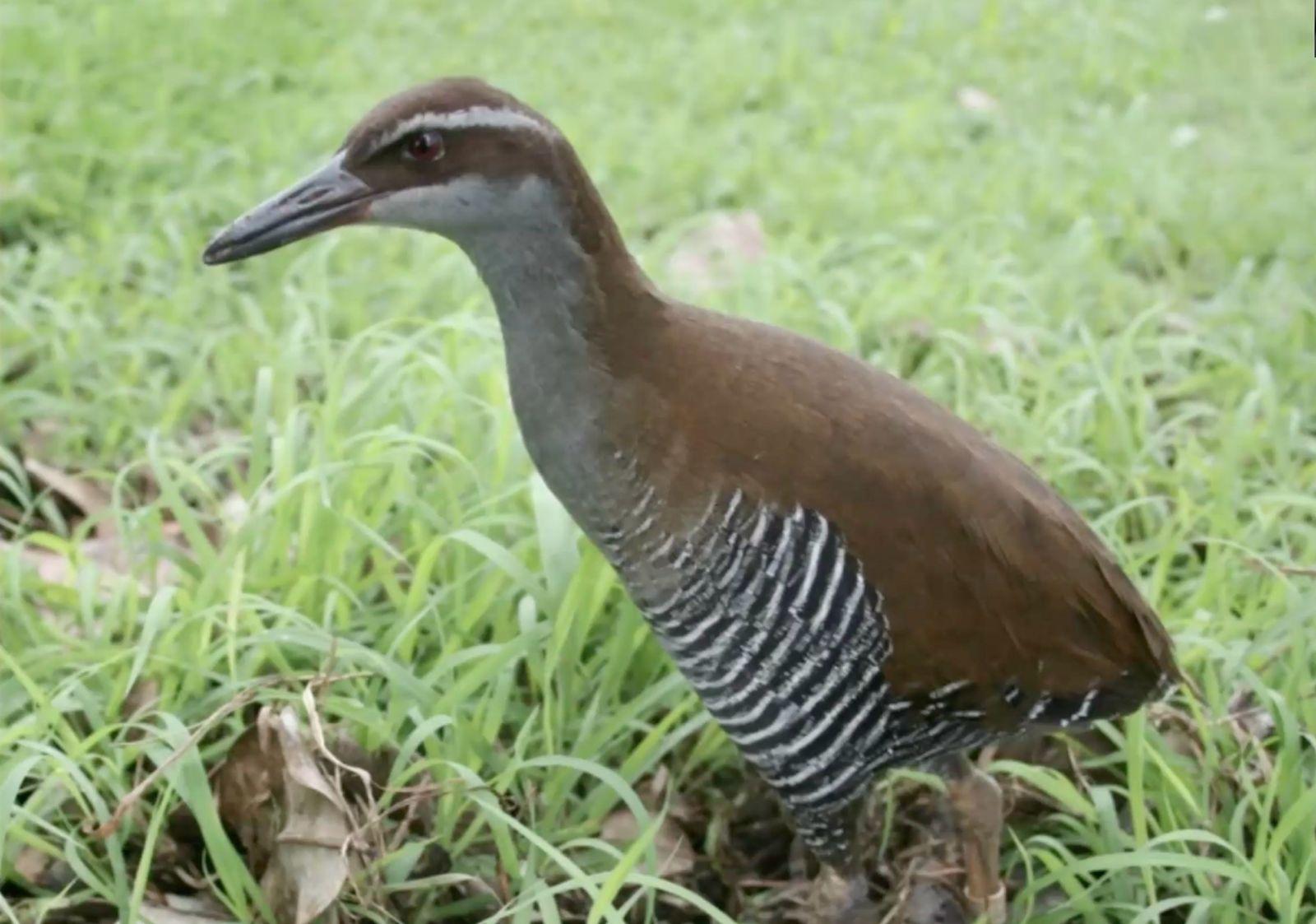
The Guam rail, known locally as ko’ko’, continues to defy extinction decades after disappearing from the wild in Guam, thanks largely to a recovery effort on Cocos Island.
Speaking during the “Birds and More Birds” session of the 8th Mariana Islands Conservation Conference last March 11, Diane Vice, wildlife supervisor with the Guam Department of Agriculture’s Division of Aquatic and Wildlife Resources, described the two-decade conservation project known as “Ko'ko' for Cocos Project.”
“This is basically the last 20 years of results and activities that have gone on Cocos Island,” Vice said during the second day of the virtual conference.
The flightless bird vanished from Guam’s forests after the introduction of the brown tree snake following World War II. Today, a small but resilient population survives off the island’s southern coast.
“Many of you know it’s an endemic flightless rail,” Vice said. “And it’s similar to other rails that have gone extinct throughout the Pacific.”
The turning point came with the establishment of a protected population on Cocos Island, about 2 miles off southern Guam.
“This island is about 36 hectares… and we’re fortunate that it has no cats, no dogs, and a rather large barrier of ocean,” she said.
Conservationists removed threats such as rodents and monitored lizard populations before reintroducing the birds.
“We eradicated the rodents… reducing monitor lizards so that the newly hatched birds and the released birds would have a better chance of surviving,” Vice said.
The first birds were released in 2010, followed by another release in 2012.
“We did 16 in 2010 and another 10 in 2012,” Vice said. “These birds were monitored every day, seven days a week.”
Since then, the population has survived and reproduced. Guam Department of Agriculture wildlife biologist Lauren Thompson said camera monitoring shows the birds are using much of the island.
“We have detected ko’ko’ at all but one of the 28 active cameras,” Thompson said. “This is a really exciting insight that the birds really are utilizing the island.”
Early modeling suggests rapid growth after initial releases and potential stability today. Images also indicate the birds may persist even with low levels of brown tree snakes.
“Our camera trapping images are already suggesting that it appears ko’ko’ may be able to persist and remain self-sustaining in the presence of BTS so long as BTS are sufficiently suppressed,” Thompson said.
Vice and other researchers also highlighted conservation work for other Micronesian birds, including the critically endangered Mariana crow (Åga), Mariana fruit dove, Micronesian megapode, and regional seabirds that face threats from climate change and habitat loss.
Share this article: