Masga: Wetland loss ‘significant and often irreversible’
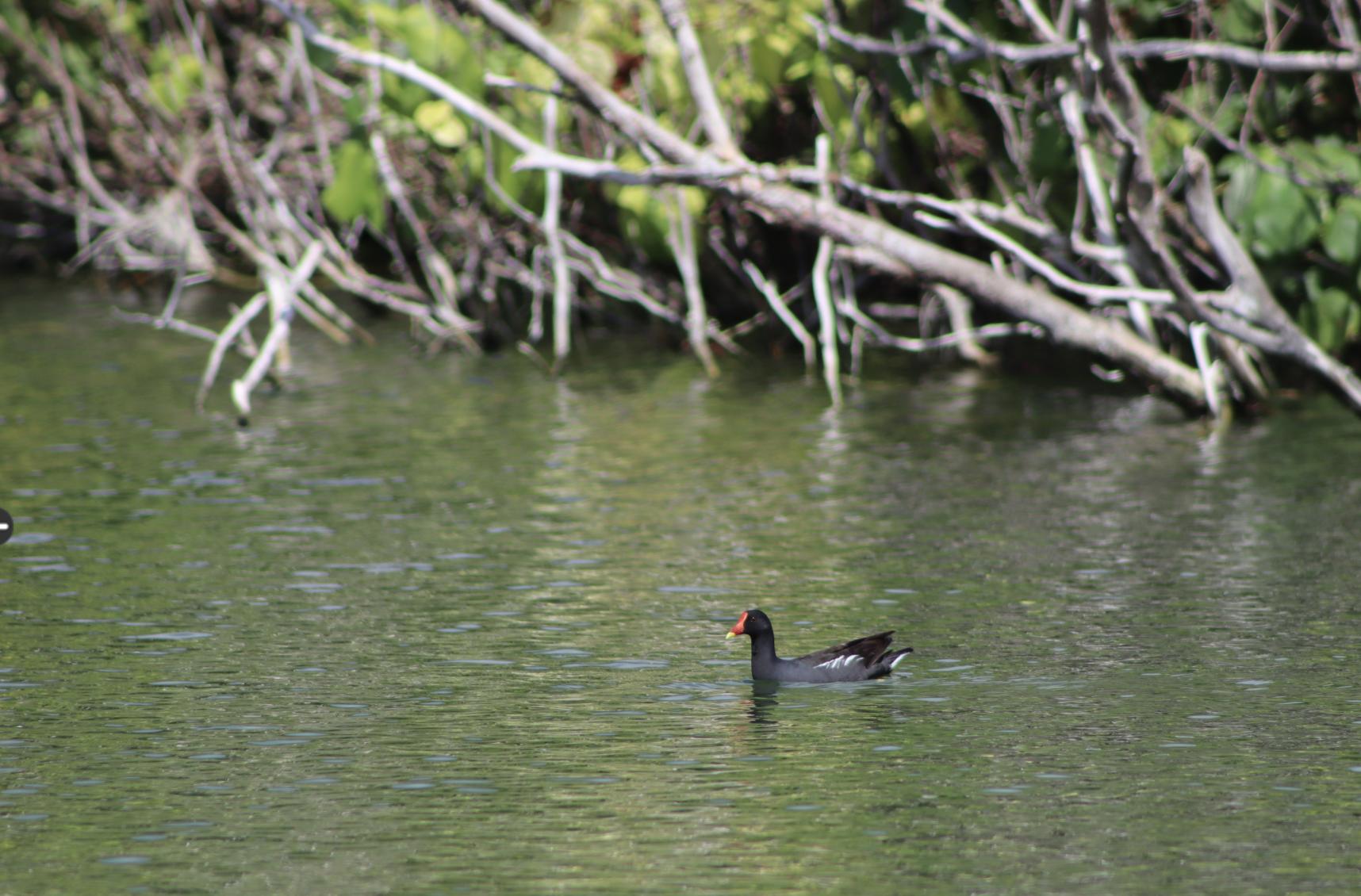
Wetlands across the United States—including those in the Northern Mariana Islands—continue to be lost at an “alarming rate,” with impacts that are “significant and often irreversible,” Bureau of Environmental and Coastal Quality Administrator Floyd Masga said, warning that U.S. territories and Pacific islands face uniquely high risks.
“I’d like to briefly frame the discussion by highlighting the key wetland issues facing the United States nationwide, and then narrow that focus to the U.S. Territories and Pacific Islands, where the stakes are uniquely high,” Masga said in opening remarks at the CNMI Wetlands Management and Stakeholder Coordination Workshop held last Jan. 29 at Pacific Islands Club Saipan.
“Across all regions of the country, wetlands continue to be lost or degraded at an alarming rate,” he said. “This loss is driven largely by development pressures, including roads, housing, agriculture, and energy projects. Even when impacts seem small or incremental, the cumulative effect is significant and often irreversible.”
Masga said regulatory uncertainty is compounding those losses.
“At the same time, we are seeing weakened regulatory protections, particularly through changing interpretations of what qualifies as ‘waters of the United States,’” he said. “These shifts create uncertainty, reduce safeguards, and leave many wetlands vulnerable to filling, drainage, or degradation.”
He added that climate change is further intensifying pressure on wetland systems nationwide.
“Overlaying all of this are the growing impacts of climate change—including sea-level rise, prolonged droughts, and more frequent and intense storms,” Masga said. “These stressors are altering wetland hydrology, reducing their ability to recover, and increasing the risks to surrounding communities.”
Pollution and invasive species remain persistent threats.
“We also continue to face pollution and nutrient runoff from fertilizers, pesticides, and sewage,” he said. “These inputs degrade water quality, fuel algal blooms, and undermine the ecological function of wetlands.”
“In addition, invasive species are spreading rapidly, often outcompeting native plants and animals that wetlands depend on to function properly,” Masga added.
Turning to the Pacific region, Masga said the challenges are magnified.
“When we shift our focus to the U.S. Territories and Pacific Islands—such as CNMI, Guam, and Hawaii—these challenges are even more pronounced,” he said.
“In these island systems, we are seeing ongoing mangrove loss, often tied to coastal development; intense development pressure along shorelines; accelerating sea-level rise, which threatens to drown coastal wetlands; disruption of coral reef-wetland connectivity, which is essential for fisheries and coastal water quality; limited freshwater resources, making wetland protection critical for water security; and again, invasive species, which can quickly overwhelm small, isolated ecosystems.”
“These wetlands are not optional features of our landscape,” Masga said. “They are critical infrastructure, providing shoreline protection, supporting fisheries, and contributing directly to food security and community resilience.”
“Stepping back to the bigger picture, wetlands sit at the intersection of water, climate, food, and safety,” he added.
While regional differences matter, Masga said the path forward is clear.
“Protecting wetlands everywhere requires strong, science-based protections; climate-resilient planning that anticipates future conditions, not just past ones; meaningful community and Indigenous involvement, grounded in local knowledge; and a commitment to long-term restoration, not just short-term mitigation,” he said.
Masga added, “As we move forward in today’s discussion, I encourage us to keep these principles in mind and to approach wetland protection not as a constraint, but as an investment in resilience, sustainability, and the well-being of our communities.”
Ty Phenis presented on the status of the CNMI Wetlands Management Plan, recent wetland assessments, and the Restoration Priority Index, a tool designed to identify and rank wetlands based on ecological value, threats, and restoration potential. Participants then engaged in working sessions to develop lists of the most pressing wetland concerns, potential solutions, and desired outcomes for the CNMI.
The workshop also included site prioritization exercises, where stakeholders ranked specific wetland areas based on known ecological values and threats and identified gaps in information. Participants then generated action plans for priority sites, outlining goals, objectives, actions, and responsible actors. Discussions concluded with a review to determine which management efforts should take precedence and final remarks to frame next steps for wetland protection.
Other workshop speakers included technical and environmental experts from local government and partner agencies who guided sessions on wetland management strategies and restoration planning, supporting Masga and Phenis in shaping CNMI’s coordinated approach.
Share this article: