NMPASI Empowers CNMI Community in Virtual Session on Accessible Parking Rights
Accessible parking is not a matter of special privilege—it is a matter of civil rights, dignity, and fundamental safety. That was the resounding message delivered during a dynamic virtual learning session hosted Wednesday morning, September 2 by the Northern Marianas Protection & Advocacy Systems, Inc. (NMPASI).
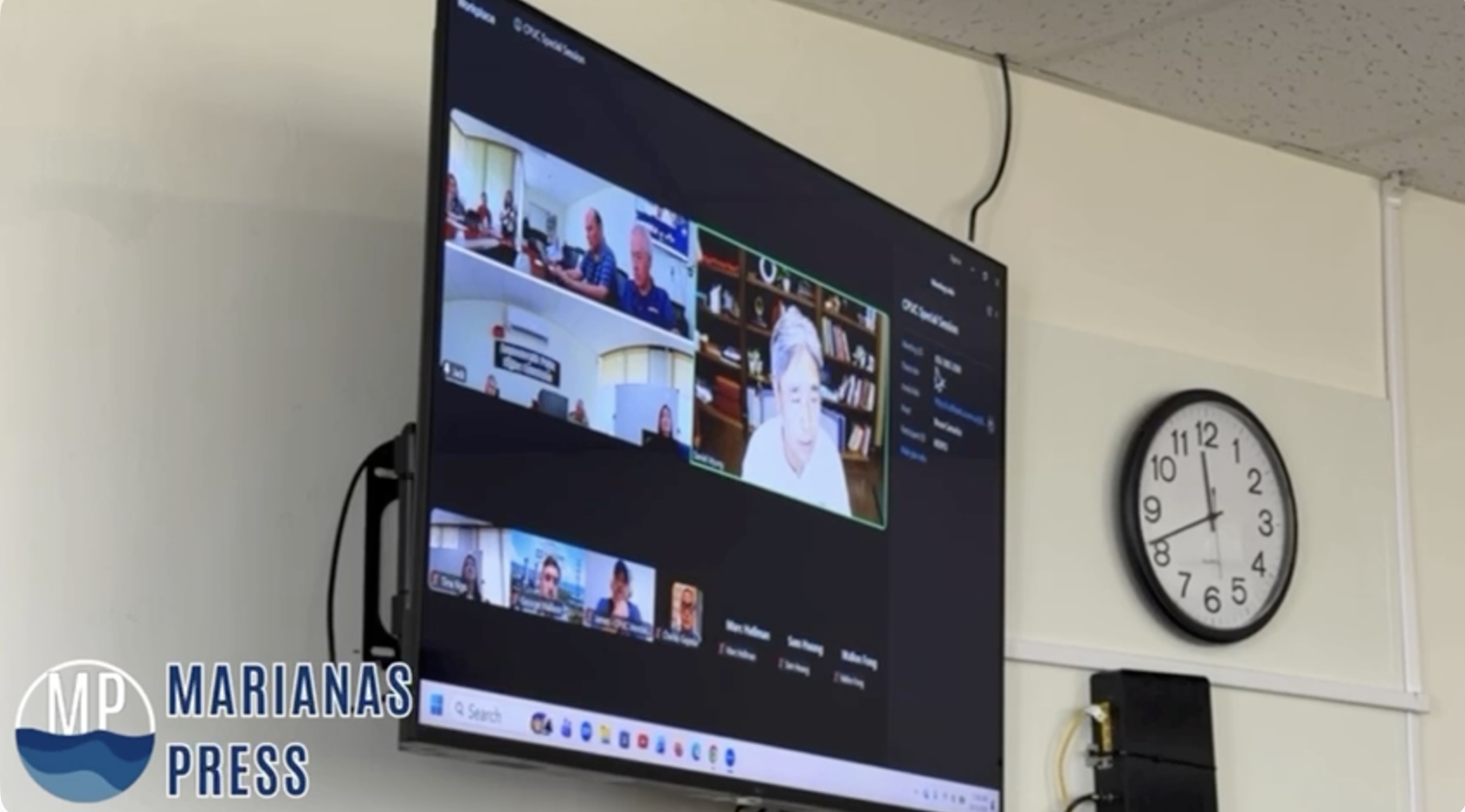
Streaming live via Zoom from the Marianas Business Plaza, the fast-paced, 48-minute presentation brought together 22 engaged community advocates, service providers, and island residents. Kicking off promptly at 10:00 a.m. and co-facilitated alongside Family Support Specialist Chrislaine Lely from Family-to-Family, the event tackled the critical legal protections, practical daily habits, and shared community responsibilities surrounding accessible parking across the Commonwealth.
Leading the session were NMPASI Project Specialists Tiava To’omata and Kobe Deleon Guerrero, who broke down the legal foundations established under the federal Americans with Disabilities Act alongside local CNMI statutes, specifically Public Law 17-65 under Title 9 of the Commonwealth Code.
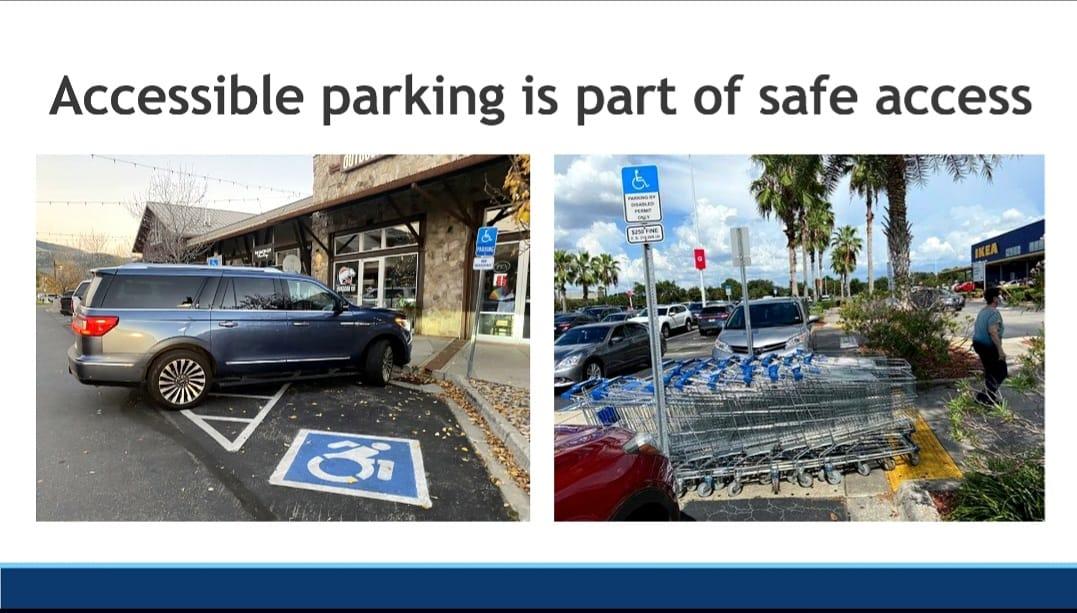
Opening the discussion, To’omata challenged participants to rethink how accessible spaces function in everyday island life, highlighting how blocked access aisles, misplaced shopping carts, and faded paint cut off critical access to local establishments.
"Accessible parking is more than blue paint," To’omata emphasized. "When we talk about accessible parking, it’s more than just dimensions. It is meant to be an accessible route from point A to point B—usually point A being the parking lot and point B being the establishment. Accessible parking rules protect more than convenience; they protect safety, dignity, and independence."
A central highlight was the striped access aisle beside designated stalls, area motorists frequently misunderstand as an idling spot or a motorcycle stall. To’omata reminded everyone that keeping that space clear is vital because it is often the only area wide enough for a wheelchair transfer or for a mechanical lift to deploy safely.
Taking over to detail the Bureau of Motor Vehicles permit process, Deleon Guerrero dismantled common island misconceptions regarding placard ownership, emphasizing that a permit is never issued to a vehicle, a family, or an entire household.
"The most important rule to keep in mind is that the permit belongs to the person—it is not tied to the car, and it is not tied to family members, parents, or caregivers," Deleon Guerrero stated. "If the individual whose name is on the placard is not the one being actively transported, the placard and the accessible stall cannot be used for that vehicle."
Deleon Guerrero also addressed the widespread habit of pulling into designated stalls for quick errands, stressing that even sixty seconds of unauthorized parking can force an individual with mobility needs to turn away and lose access to medical care, schooling, or basic groceries.
During the interactive audience discussion, the presenters clarified the distinct responsibilities of local government bodies. While the Bureau of Motor Vehicles handles permit processing upon medical certification, active roadside and parking lot enforcement rests strictly with the Department of Public Safety’s Patrol Division. Motorists parking without authorization face an escalating fine schedule of $150 for an initial violation, $300 for a second offense, and up to $1,000 plus vehicle towing for repeated misuse. Meanwhile, business establishments that neglect required stalls, signs, or proper dimensions fall under the oversight of the Department of Public Works Building Code Division and risk fines of $100 per day until brought up to standard.
The dialogue further dispelled the assumption that disabilities must be visibly obvious to justify parking access. Eligibility hinges on functional, certified mobility barriers rather than visual appearance, covering conditions such as cardiac limitations, respiratory disorders, temporary post-surgical injuries, and even the third trimester of pregnancy. Visitors holding valid, unexpired placards from other jurisdictions like Guam or the U.S. mainland are also recognized under local law.
Wrapping up at 10:48 a.m., the presenters called on all island residents to serve as proactive community advocates by reporting active violations to DPS dispatch and bringing structural access barriers to NMPASI. Residents seeking legal advocacy, accessibility resources, or assistance with upcoming voter access initiatives can reach NMPASI at (670) 235-7273 or visit their office in Suite 505 on the fifth floor of the Marianas Business Plaza.
Share this article: