No ‘Great American Base,’ but CNMI could be a ‘place’
The CNMI may be too small for the Department of War's proposed “Great American Base,” but it could still become an important military location through smaller facilities spread across its islands.
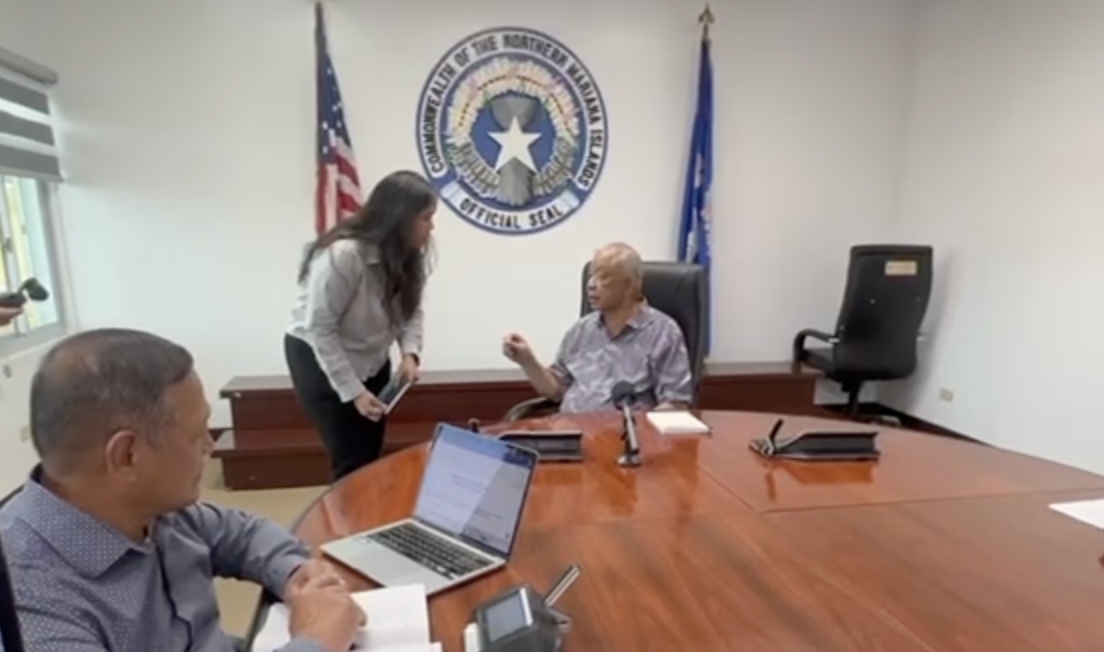
Special assistant to the Governor for the Commonwealth Bureau of Military Affairs Edward C. Camacho said last Oct. 8 that while the Commonwealth lacks the land needed for a major military installation, its strategic location in the Pacific could make it an ideal staging area and logistics hub for the U.S. military.
“So we may not be a base. We may be a place,” Camacho said.
The announcement came toward the end of a press conference organized by the CBMA to brief the media on the CNMI delegation's recent trip to San Francisco for meetings coordinated by the Department of War's Office of Local Defense Community Cooperation.
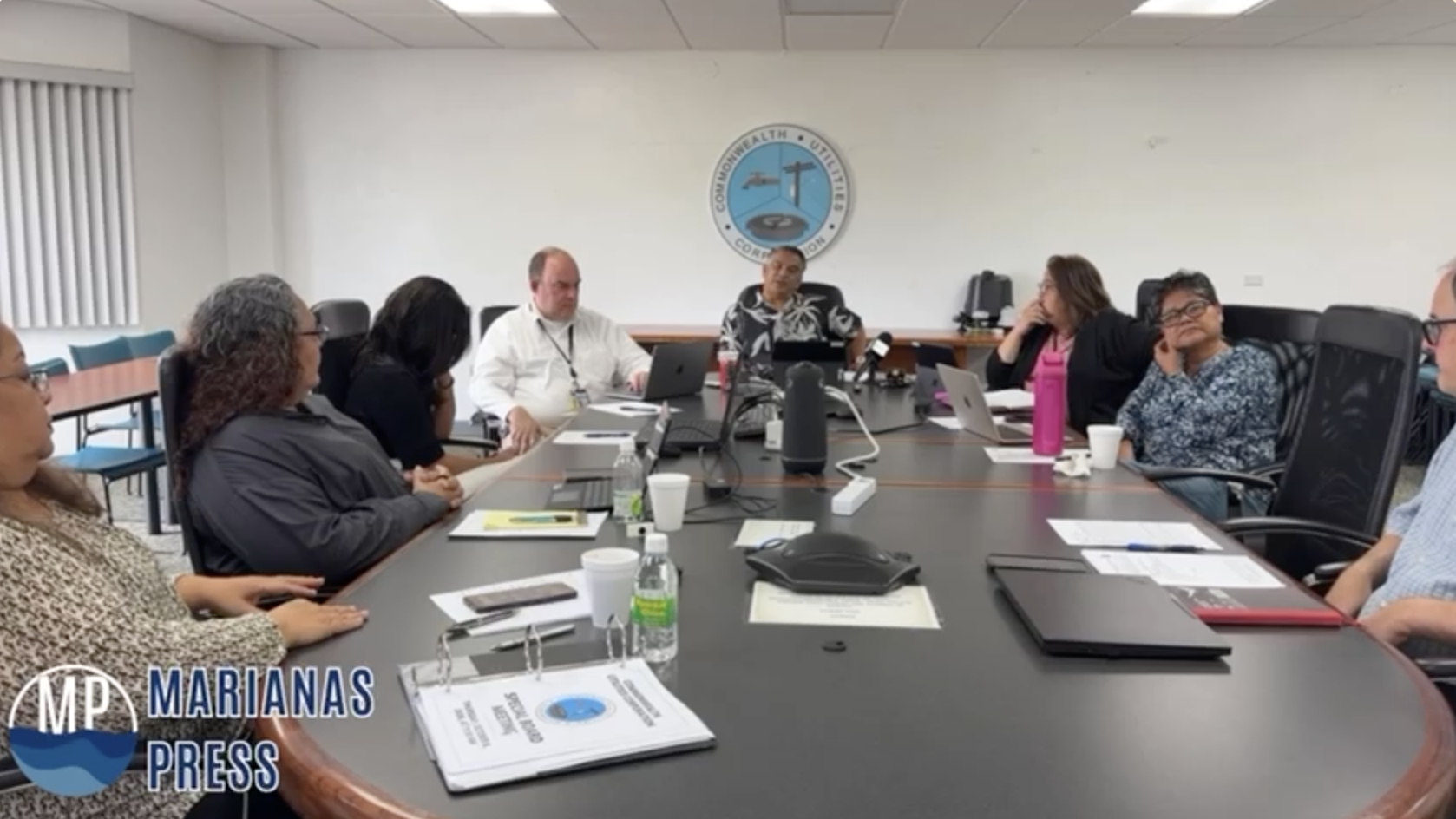
The briefing included officials from the Commonwealth Utilities Corp., Department of Public Work, Bureau of Environmental and Coastal Quality, Commonwealth Healthcare Corpo., Commonwealth Ports Authority, Capital Improvement Projects Office, and the Governor's Authorized Representative for disaster recovery.
The officials discussed their respective infrastructure needs and meetings with federal agencies during the September gathering.
Gov. David M. Apatang first disclosed the base proposal during the press conference, saying the Commonwealth had received a letter from the Department of War seeking possible locations for new military installations.
The governor said the CNMI would likely be unable to accommodate the proposal because it requires an extensive amount of land.
“So like I said, we just don't have the land requirement that they are looking for in the Commonwealth,” Apatang said.
The governor said the proposed installation would also need housing and other facilities to accommodate military personnel and their dependents.
He also questioned whether neighboring Guam would have sufficient land to accommodate such a large installation.
Camacho explained that the secretary of War had written to governors and adjutant generals across the United States seeking possible locations for what is being called the next Great American Base.
According to Camacho, the proposal requires between 100,000 and 250,000 acres of contiguous land, meaning one large, continuous piece of property.
“We don't have anything in that capacity or that kind of resource actually in the Commonwealth,” he said.
Aside from land, Camacho said the proposed military installation would require adequate electricity, water, schools, healthcare facilities, and other infrastructure to support military personnel and their families.
These requirements present another challenge because the CNMI is already seeking federal assistance to improve many of those same services.
“So the kind of stuff that we went to ask for is also what they need already,” Camacho said.
Despite these limitations, Camacho said the CNMI remains strategically important to the U.S. military because of its location in the Western Pacific.
“But like the governor said, we don't have the landmass. What we have out here is the strategic importance,” he said.
Camacho pointed to the Commonwealth's three airports and three seaports, which could support military operations if improvements are made to existing infrastructure.
One possibility, he said, would be smaller military annexes on Saipan, Tinian, Rota, and potentially the Northern Islands.
Unlike a full military base, these facilities could serve as strategic staging areas and logistics hubs where military vessels could obtain supplies, equipment, and replacement parts.
“But the annexes are not going to be a base. They are going to serve as another strategic platform, power projection platform, with a logistics hub and other things, parts,” Camacho said.
He explained that having such facilities in the CNMI could save the military time and resources because ships operating in the Pacific would no longer have to return to Hawaii or the U.S. mainland for certain supplies.
Camacho said the proposal also caught CNMI officials by surprise because previous discussions with the Department of War had focused on access to existing facilities rather than establishing large permanent bases.
The department, he said, had previously emphasized having access to strategic locations instead of building new military installations.
Camacho acknowledged that hosting a large military base could provide significant economic benefits to surrounding communities, but said the Commonwealth simply does not have the land or existing infrastructure required.
Nevertheless, he said the CNMI's longstanding relationship with the U.S. military remains an important consideration.
Camacho also pointed to the Commonwealth's contributions to the armed forces, including residents who have served in the military and those who have died in service.
He said the administration intends to formally respond to the secretary of War's request and explain the CNMI's limitations while outlining what the Commonwealth could potentially offer.
“So we will submit a letter responding to the request from the Secretary of War and convey all of our constraints as well,” Camacho said.
He indicated that the response could be made within approximately 10 days, subject to further guidance and criteria from federal officials.
The discussions in San Francisco focused on aligning civilian infrastructure improvements with the growing U.S. military presence in the region.
During those meetings, CNMI officials presented federal agencies with priority projects involving power generation, water systems, airports, seaports, healthcare, roads, and disaster recovery.
The Commonwealth is seeking federal assistance to address these longstanding infrastructure problems while ensuring that military activities also benefit local residents.
For now, Camacho said the CNMI's best opportunity may not be hosting a massive military base, but providing smaller facilities that could support U.S. military operations throughout the Pacific.
Share this article: