NOAA training helps CNMI agencies tackle coastal impacts, storm resilience
Coastal managers and partner agencies in the CNMI underwent a two-day training last week aimed at finding nature-based solutions to shoreline erosion, runoff, storm damage, and other environmental challenges facing the islands.
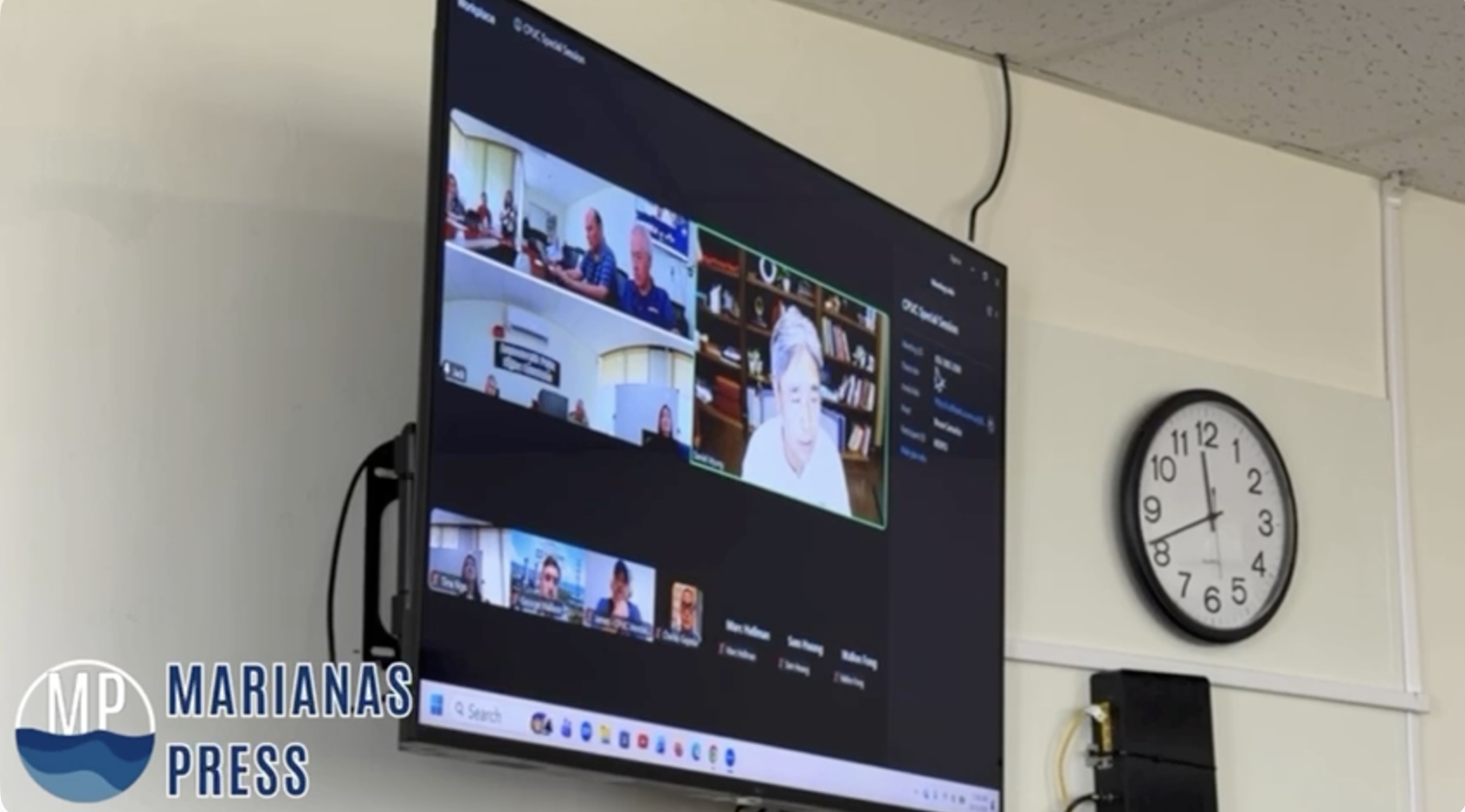
The training, conducted by representatives of the National Oceanic and Atmospheric Administration’s Honolulu office, began last Aug. 25 at the Bureau of Environmental and Coastal Quality office in Gualo Rai.
Division of Coastal Resources Management acting director Juanette Sablan said NOAA is a key federal partner and grantor for the CNMI’s coastal zone management program.
“We have NOAA folks from the Honolulu office doing training here. So they are our main grantors and also the folks behind the coastal zone management program,” Sablan told Marianas Press during an interview Wednesday.
The first day focused on nature-based solutions and brought together personnel from DCRM, its sister agency, the Division of Environmental Quality, and other partner organizations.
Sablan said participants broke into groups and were tasked with developing projects and identifying nature-based approaches to actual problems agencies encounter in the CNMI.
Among the issues examined were shoreline erosion, runoff, pollution, marine debris, and the loss of public access to coastal areas following storms.
“How do we create solutions to real problems here in the CNMI that incorporate nature so that they can be as resilient as nature is?” Sablan said.
The training comes as coastal managers continue assessing changes caused by super typhoons Sinlaku and Bavi, which struck the CNMI earlier this year.
Sablan said Sinlaku, in particular, dramatically altered portions of Saipan’s coastline. Some beaches suffered severe erosion, while other locations actually gained significant amounts of sand.
“In some areas, the beaches were extremely eroded. And in other areas, the beaches were essentially returned. Some areas got like 100 feet of beach back,” she said.
Sablan pointed to the return of sand along the American Memorial Park and Micro Beach area as an example of how powerful storm surge can reshape a coastline in a short period.
She said the changes demonstrate why coastal management cannot simply focus on repairing immediate storm damage but must also consider solutions capable of withstanding future storms and continuing erosion.
“You need to come up with solutions that are long-term, that also address things like a storm and the storm surge doing things like this in the future,” Sablan said.
Other areas affected included Obyan Beach and Tank Beach, according to Sablan. Heavy rainfall and runoff also altered some coastal areas and affected public access, including parking areas where erosion created drop-offs that agencies must consider as recovery continues.
The second day of the NOAA training focused on facilitation basics, which Sablan said would help DCRM personnel conduct stakeholder and community meetings—an important part of coastal resource management and project development.
Sablan said bringing different agencies and organizations together also gives participants an opportunity to approach longstanding environmental problems from different perspectives while receiving guidance from NOAA.
The training comes amid continuing recovery work following Sinlaku and Bavi and efforts by government agencies to address coastal erosion, beach access, storm debris, and other environmental impacts.
Sablan also urged residents to heed posted signs and government advisories when visiting beaches during the recovery period, particularly water-quality notices issued by DEQ.
“Pay attention to the signage that's being posted and those notices, especially following the storms and the cleanup and recovery efforts,” she said. “Those could impact the water quality.”
She added, “Just stay safe out there. Enjoy the beaches that we've got back for sure.”
Aside from DCRM and DEQ, other agencies and organizations that participated in the two-day training included Hazard Mitigation Grant Program, Office of Planning & Development, Pacific Coastal Research and Planning, Mariana Islands Nature Alliance, Johnston Applied Marine Sciences, Department of Land and Natural Resources’ Coral Reef Initiative and Division of Fish and Wildlife, and Friends of the Mariana Trench
Share this article: