Noh acknowledges CNMI economic strain, eyes expanded defense partnership
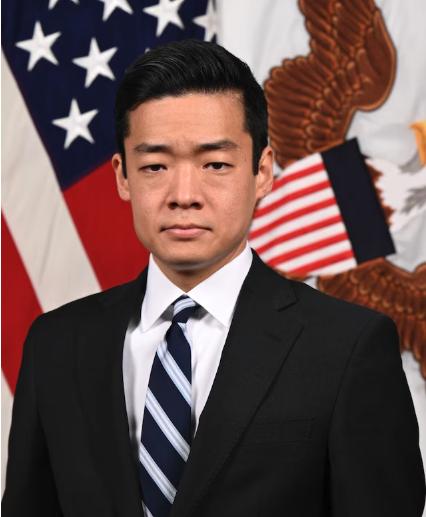
Assistant Secretary of War for Indo-Pacific Security Affairs John Noh has acknowledged the Commonwealth’s worsening economic outlook and signaled Washington, D.C.’s willingness to deepen engagement with the CNMI, following concerns raised by Delegate Kimberlyn King-Hinds.
In a response letter to King-Hinds, Noh said the Department of War “acknowledges your concern regarding CNMI's fiscal outlook and recognizes the strain this reality places on CNMI.”
He added that the Commonwealth remains strategically important, noting that the “CNMI is a key partner in U.S. defense efforts in the western Pacific, and the department is concerned about the economic headwinds that you face.”
Noh said the department is looking at ways to strengthen ties through existing federal mechanisms, particularly the ongoing Section 902 consultations.
“As you noted, working with CNMI presents opportunities to further our efforts to ensure a favorable balance of power in the Indo-Pacific region,” he said. “I have asked my team to be ambitious in engaging with your government on these opportunities… and to underscore the value of the economic contributions of the Department's activities in CNMI, such as military construction.”
He emphasized the islands’ role in U.S. force posture in the region, adding that the “CNMI is key to reinforcing the U.S. military's presence in the Indo-Pacific region, and I look forward to exploring opportunities to expand our partnership.”
Noh also reiterated the department’s intent to continue discussions with CNMI leadership, saying it “looks forward to engaging with you to explore mutually beneficial opportunities to advance U.S. military force posture in CNMI.”
The response follows a series of letters sent in January by King-Hinds and CNMI leaders, including Gov. David M. Apatang, Senate President Karl King Nabors, and House Speaker Edmund Villagomez, warning of what they described as an accelerating economic collapse.
In their letter to U.S. President Donald J. Trump, the officials said the CNMI is nearing “irreversible damage… absent immediate federal action,” citing steep declines in tourism, business closures, and shrinking air access.
A separate letter to Indo-Pacific Command chief Admiral Samuel J. Paparo outlined similar concerns, arguing that continued economic deterioration could undermine civilian infrastructure needed to support U.S. military operations in the region.
Both letters urged federal action on restoring air routes, easing visa restrictions—particularly for the Philippines—and leveraging allied investment to stabilize the CNMI economy.
Share this article: