Solving for X -Tinian OSC and Volunteers Lead Community Beach Clean-Up Effort, Collecting 47 Pounds of Trash in Tinian
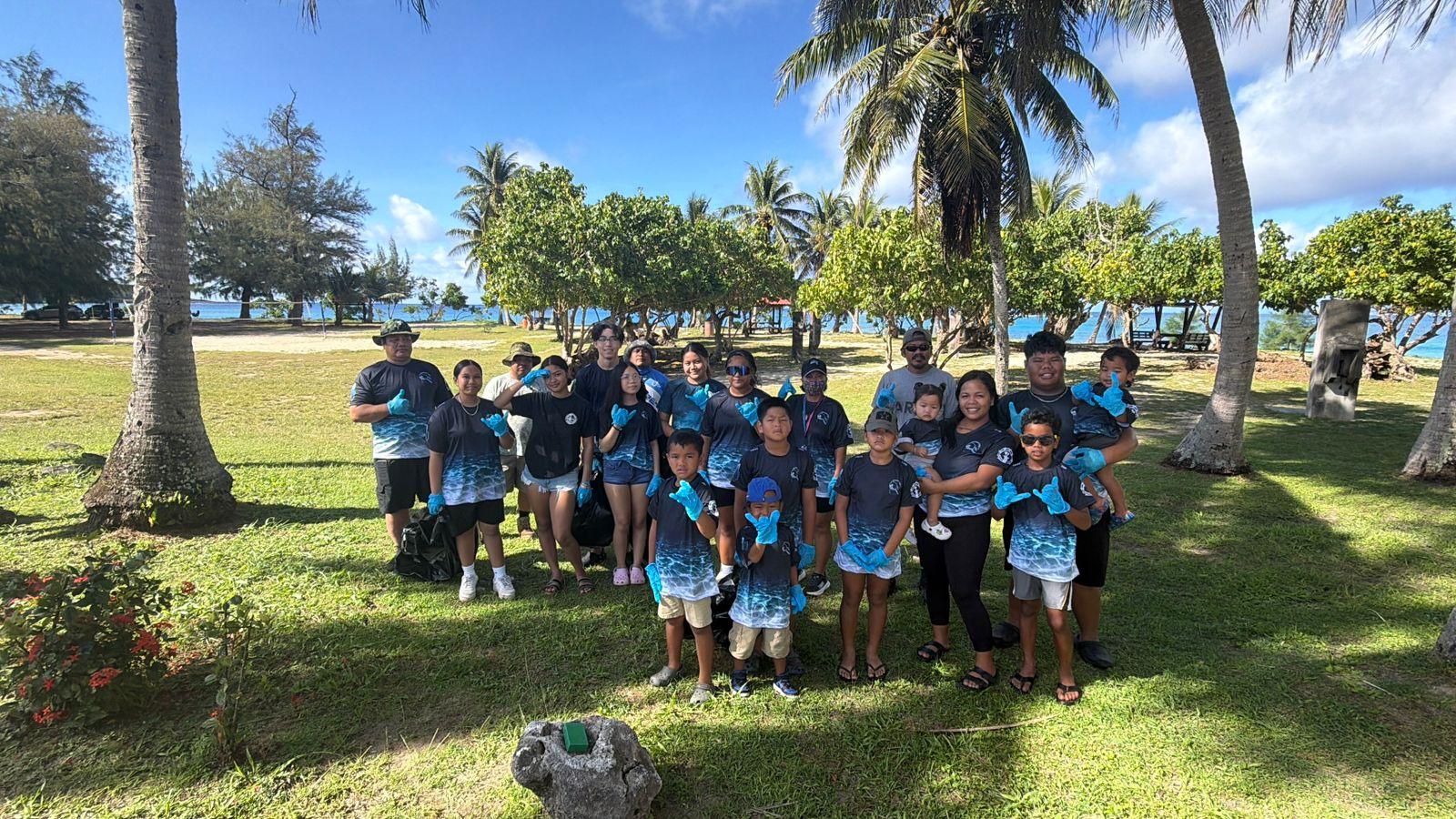
SAN JOSE, TINIAN (Feb. 21, 2026) — Friends of the Mariana Trench (FOMT) Solving for X Tinian Ocean Science Club (OSC), club advisors, volunteers, and community members came together on Saturday, February 21, 2026, to participate in a community beach clean-up held from 8:00 a.m. to 1:00 p.m. along Tachogna Beach to the Water Break area in San Jose Village, Tinian. Funded by the Administration for Native Americans (ANA), Solving for X aims to create pathways to increase community interest in natural resource management policy and careers, while encouraging hands-on learning around real-world environmental challenges. This event supports Friends of the Mariana Trench’s (FOMT) mission to promote ocean conservation through education, community engagement, and youth leadership.
A total of 25 participants, including 17 students and 5 volunteers, worked side by side to remove litter and debris from the shoreline. Their collective efforts resulted in the removal of seven bags of trash, weighing approximately 47 pounds. The most common items collected included plastic waste, aluminum cans, plastic bottles, and glass bottles - highlighting the ongoing need for environmental awareness and responsible waste disposal.
Participants shared that the clean-up provided more than just an opportunity to remove trash; it served as a meaningful experience that strengthened community bonds and environmental stewardship.
“The beach clean-up is important because it teaches students and volunteers the value of protecting the environment and keeping our beaches clean. It helps them understand their responsibility in caring for nature and preserving it for future generations. At the same time, participating in these activities builds their confidence and self-esteem, as they feel proud of making a positive difference in their community,” said Chad Palacios, Tinian Ocean Science Club Advisor.
For many, the effort also reinforced the importance of community unity and shared responsibility.
“A beach clean-up effort means more than just picking up trash. It brings the community together and strengthens communication among us. It gives us the opportunity to educate people about the importance of keeping our environment clean - not only our beaches, but also their homes and farms. Through these efforts, we build awareness, responsibility, and pride in protecting our surroundings for everyone,” said Alvin John, Tinian Ocean Science Club Advisor.
He added that environmental protection is critical not only for today, but for future generations.
Alvin shared that, “The community should care because this issue does not affect only us today, but also our future children. If we ignore it, we risk losing our culture, our local way of life, and the natural beauty that makes our islands special. Our beaches could become polluted and unattractive, driving visitors away and harming our economy. Even worse, environmental damage can lead to serious health problems for our people. For these reasons, the community must take responsibility and show genuine concern for protecting our beautiful beaches and preserving the environment for generations to come.”
Organizers emphasized that activities like this empower young people to become environmental stewards while fostering pride in their island home. The success of the clean-up reflects the positive impact that collective action can have in preserving Tinian’s natural beauty and protecting its resources for generations to come.
Community members are encouraged to continue practicing proper waste disposal and to participate in future clean-up events to help maintain the health and beauty of the island’s beaches.
For more information about Friends of the Mariana Trench and upcoming volunteer opportunities, please contact info@friendsmarianatrench.org or follow FOMT on social media @friendsofthemarianatrench.
This publication was made possible by Grant Number 90NA8489 from the Administration for Native Americans. Its content is solely the responsibility of the authors and does not necessarily represent the official views of the Administration for Native Americans or the U.S. Department of Health and Human Services.
Share this article: