The Myth of Better Care Elsewhere | Opinion
In the CNMI, when healthcare becomes part of conversations, it is common to hear someone say, “just go to the States” or “go off island for that.” It sounds like a simple solution. With bigger hospitals, more doctors, nurses, and more machines, it is easy to assume that care must be better simply because those places are larger and farther away. But reality is rarely that straightforward.
There is no single healthcare experience “in the States.” Some people receive excellent care while others, unable to secure timely appointments, wait months to see a primary care provider or spend hours in crowded emergency departments (ED). I have personally waited over eight hours after intake at an ED and still never saw a doctor, and in other instances waited months for an in-network appointment while living in Washington State, Hawai‘i, and Nebraska. Many others, especially in rural communities, will probably describe similar delays, rushed visits, limited specialist access, and unexpected medical bills. Healthcare experiences vary everywhere.
Here at home, healthcare functions within the limits of what is available. It is not perfect, but in many ways, it mirrors the realities of rural America. The CNMI’s only public healthcare facility is not a free clinic or hospital, and patients are responsible for a portion of their healthcare costs, as they are throughout the rest of the United States.
However, medical care in the CNMI is never denied simply because someone cannot pay. Programs such as the sliding fee program adjust charges based on income, helping many families with limited financial means. In reality, many of those reduced fees are never fully recovered and the CNMI healthcare system absorbs those costs all the same.
Access to care is also shaped by having health insurance. Those with coverage often find it easier to navigate provider networks and services. Those without insurance, who must pay out of pocket, are more likely to delay seeking care, sometimes until conditions worsen.
None of this means healthcare in the CNMI is easy. Providers work with fewer resources. Specialists are limited. Equipment must last longer. Some patients must travel off island for highly specialized treatment.
But every healthcare system has limits, including large mainland hospitals that regularly transfer patients elsewhere. Distance itself is not unique to island communities. Rural patients across America drive hours for specialty care. Our situation is similar, except our “drive” often means boarding a plane.
It is also important to remember that not everyone in the CNMI can simply “go to the States.” Travel for medical referral requires money, time, documentation, and the ability to step away from work and family. For many CNMI families, healthcare here remains their primary and most realistic option.
There is a common expectation that CNMI healthcare should mirror large mainland systems. The desire for expanded services is understandable. Yet it is worth reflecting on how far our islands have already come. Today’s system reflects decades of growth, investment, and progress at the hands of qualified leaders. And even despite political backlash or the “poli-tricks” healthcare leaders and health professionals still show up every day and continue working tirelessly to sustain progress with the resources available.
Still, many desired services require funding, workforce recruitment, and long-term operational support. Growth is rarely limited by vision alone. Resources determine pace.
What is too easily forgotten is the daily effort put in every day.
Healthcare leaders and professionals show up, work long hours, care for many patients, and solve problems in creative ways. They are paid less than their mainland or stateside colleagues, yet they continue to serve. Many remain or work in the CNMI temporarily, fulfilling their professional duty and oaths rather than for financial reward.
They care for our neighbors, friends, families, and elders and their willingness to stay deserves recognition and appreciation. At the same time, CNMI leaders, especially those who aspire to leadership, should pause before rushing to criticize our only public healthcare system. Improving healthcare requires more than commentary. It requires sustained support, resources, practical solutions, and long-term commitment beyond an election season.
It is easy to point out what is missing.
It is harder to build what is needed.
But care elsewhere is not always better, and fancier facilities do not always guarantee a better experience.
Perhaps the better question is this: How can we, as a community and as a government, better support our only local healthcare system, its leaders, and the professionals who choose to stay and serve the CNMI every day? And how can we continue strengthening opportunities to train the next generation of local health professionals across all health-related fields?
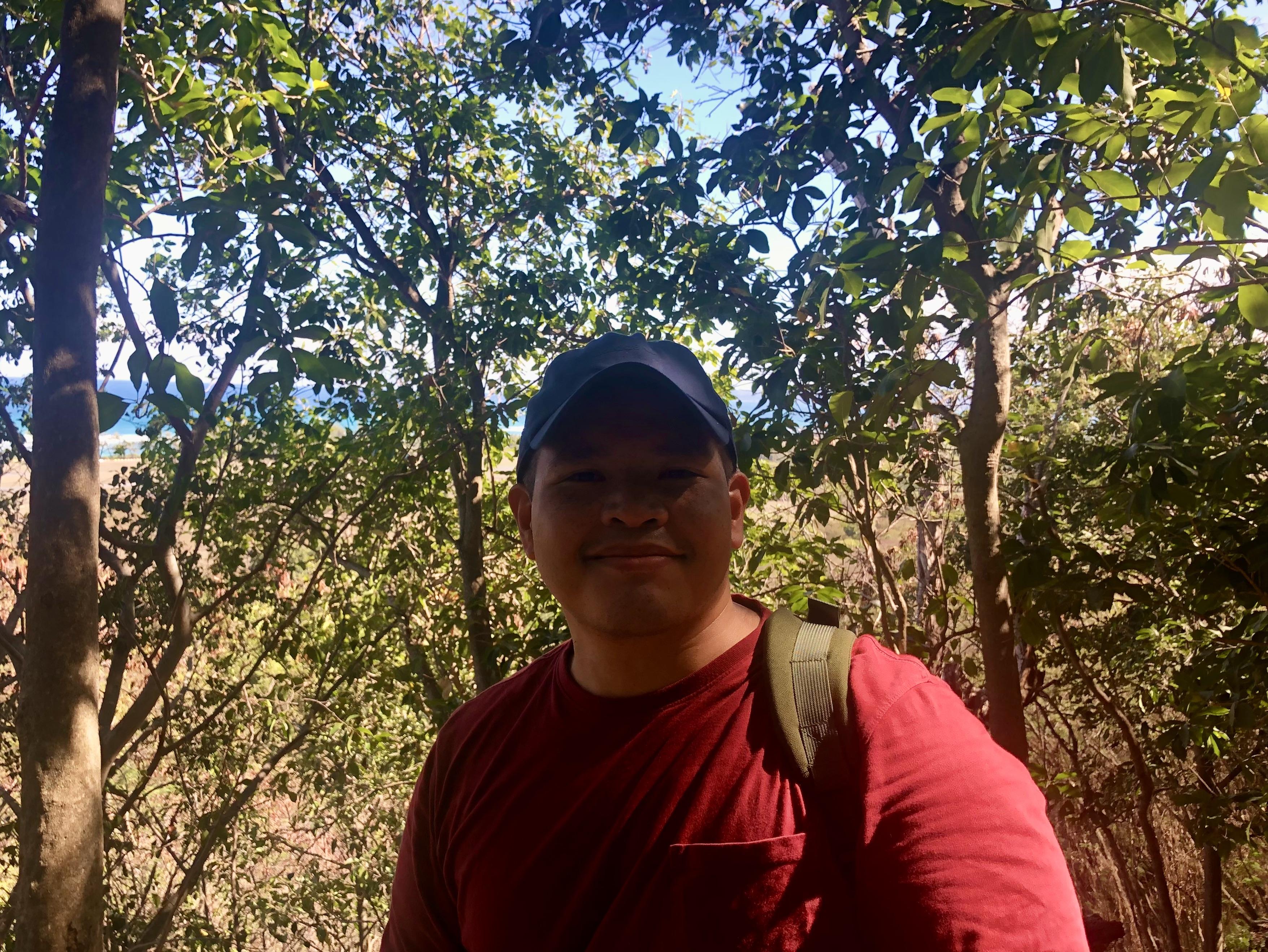
Johnny Tudela Aldan, MPH is an epidemiologist and doctoral student born and raised in Saipan. He is currently based in Hawaiʻi. His current work focuses on community-centered public health, disease surveillance, and strengthening health data systems in Pacific Island communities. His research interests include maternal and child health, infectious diseases, and the health impacts of environmental pollutants in Pacific Island populations. He is also a strong advocate for resource policy rooted in Indigenous approaches to environmental stewardship. His earlier research experience includes environmental toxicology and immunology, with peer-reviewed work examining lipid metabolism, mast cell activation, and inflammatory signaling. Across both research and applied public health, his work centers on connecting science, policy, and community needs to improve long-term health and resilience at home.
Share this article: