When the storm hits home | Opinion
In the midst of a super typhoon , it’s imperative to stay locked in place. Don’t leave your house by any means. Lock your doors and do your best to stay in touch.
If you have been through a natural disaster, these words are familiar. If your family members text you to express their fears in the middle of the greatest storm in your island’s recently recorded history, you suppress the feeling to dress in your windbreaker, brave the winds, and make your way to their house, even if your family compound means their front door is a minute away. In the Marianas, your family becomes the lump in your throat to swallow when winds over 180 mph threaten to topple homes for hours on end. Yet, everyone is somehow related to the other - by personal connection, family, or culture. It’s the fear for their wellbeing that makes sheltering-in-place a difficult rule to follow.
As a long-term resident of Saipan, not yet 30 years old, I have experienced four typhoons of great magnitude. Super Typhoons Chaba and Yutu tore up our family homes in San Vicente, lifting up our roofs and careening objects through windows and doors. I watched as one of my close family members sat in the house they worked for years to build, burying their head in both hands as rainwater slicked our living room walls, sirens wailing in the background. Despite FEMA offering aid, our kitchen roof housed a hole large enough for fully-grown men to fit through for years. Again and again, we patched up our home and swept out the flood waters. Again and again, we experienced weeks without power and properly running water, for which no amount of preparation most residents could commit to would cover. Meanwhile, others lose houses, suffer injury, and persevere through necessity. Days become shorter as once-convenient tasks are carried through hours of patience; lines at the laundromat, gas stations, and water companies to endure while a specific atmosphere prevails - ‘it is how it is.’
In my teens, Typhoon Soudelor ripped through schools and left young students without AC among the hottest months of the year. Marianas High School’s iconic gym was lost, among many other “third places” for schoolchildren and youth to recreate. Commonly the case, businesses shuttered soon thereafter. It’s an old story, a familiar one. We are reminded with every storm.
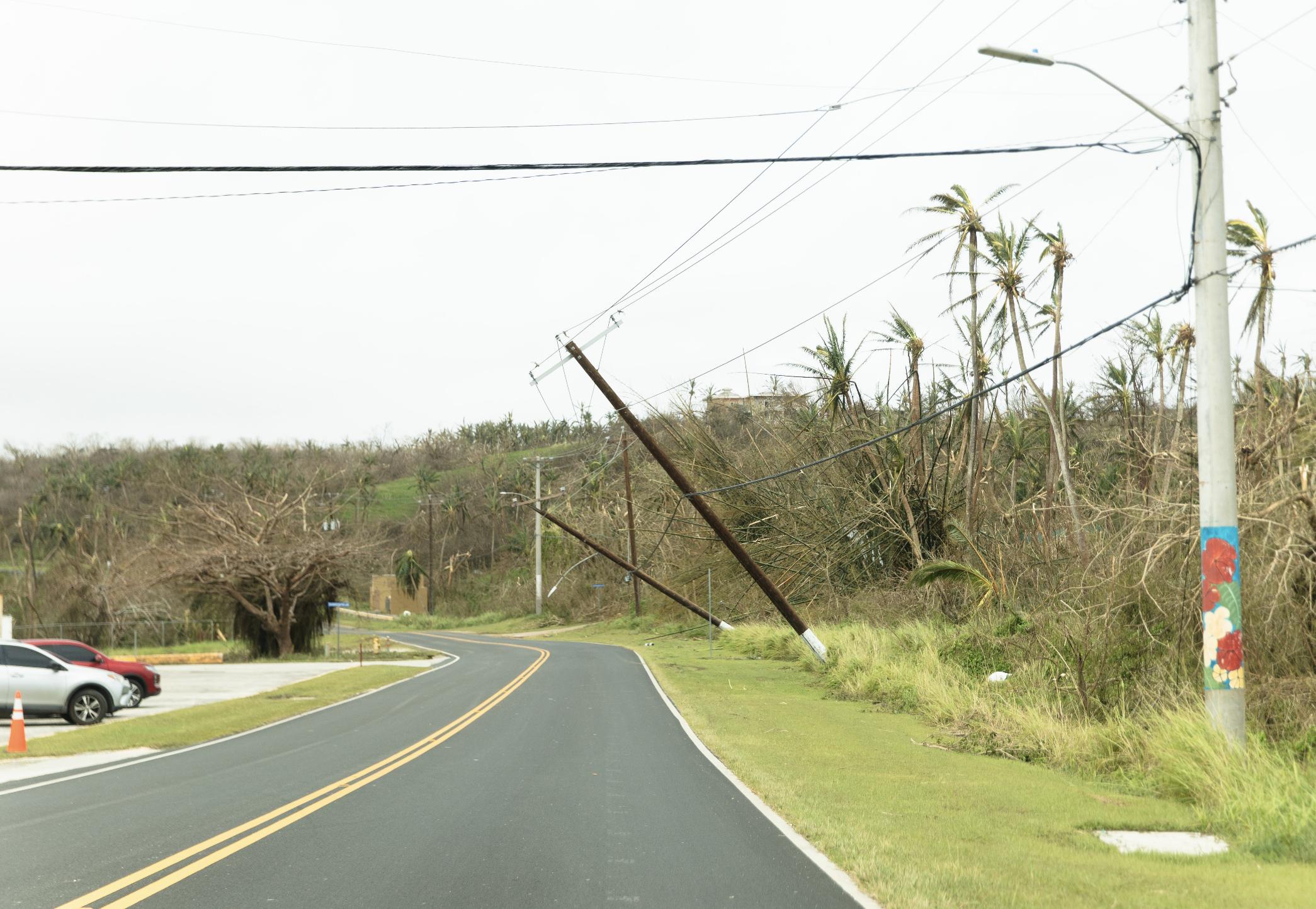
This week, Super Typhoon Sinlaku slammed into the entire archipelago, leaving Luta and Guahan thankfully less damaged, while Tinian and Saipan bore the brunt of incredible storm winds and 20 or more inches of flooding and property destruction. No islands escaped Sinlaku, even as far as Maug.
Of Sinlaku, a family member remarked, “Typhoons and other natural disasters are a reminder that we should be mindful of what we do to prepare. The types of plants we choose to line our properties, beachsides, and roadsides is preparedness as well, it just takes 5, 10, 20 years before the benefits of that preparedness is realized. Preparation is a generations-long effort and is just as important as the prep you do days before when you do laundry, fuel your vehicles, and tie down loose items.”
In the past two days, social media circulated videos of apartment tenants bracing through the most dangerous night in Saipan’s recent history, to unplug storm drains that left cars half-submerged and ground-level apartments knee-high in polluted waters. On a drive around the island, downed trees blocked major roadways as residents rushed to replenish ruined food supplies and purchase clean gallons of water to bathe and drink, damaged windows temporarily patched with plastic taped into place to protect against rain. It’s a familiar sight. For many located in the islands, it’s not a life-changing event, but the status quo.
Share this article: