Woodruff: Labor Stabilization Act ‘piecemeal’ stopgap that needs reworking
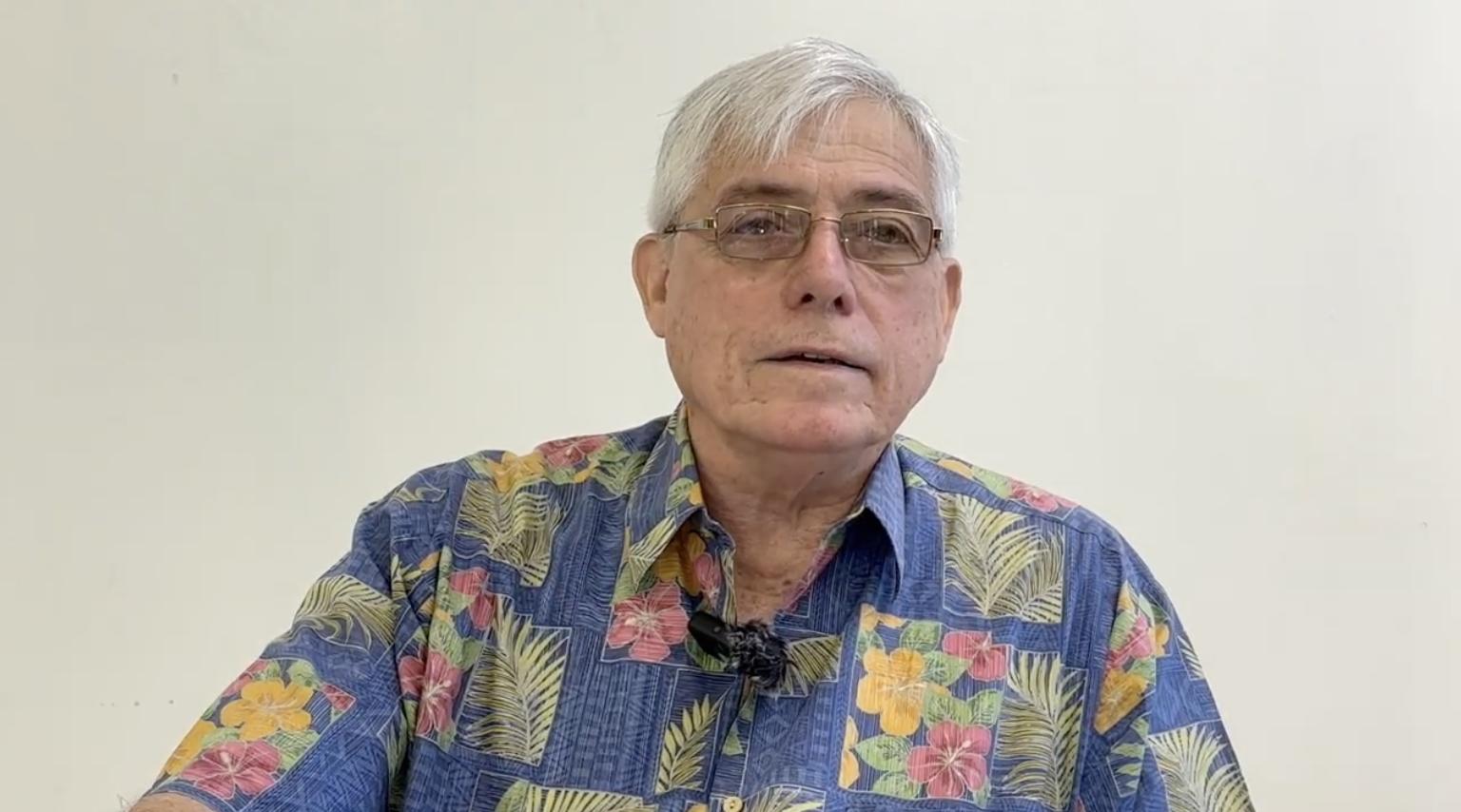
Attorney Stephen Woodruff described the proposed Northern Mariana Islands Labor Stabilization Act as an important but ultimately incomplete piecemeal measure that needs to go further.
“There’s no question that a bill like this one… is really important,” Woodruff said, noting that renaming the CNMI-Only Transitional Worker Program to “labor stabilization” reflects the need for long-term certainty.
“We don’t need to have to keep going back to Congress time and time again to extend the CW program.”
But he added, “This bill, if we took out the parts that I think are problematic, would be a good step in the right direction. But… it’s still piecemeal; it doesn’t do everything that really needs to be done.”
Woodruff said the CNMI needs stability, but also structural reform.
“We need stability, but we also need a program that is a lot better than the CW program, and this bill doesn’t do that,” he said. “It doesn’t actually improve the program. It mostly relies on continuing with the same program.”
Among the positive provisions he cited were eliminating the declining numerical cap and fixing permits at 15,000; repealing the touchback provision, which he called an outrage that never should have been enacted; and preserving the exemption from H visa numerical limits.
“I do think that that exemption should be made permanent,” he said.
He also welcomed provisions addressing access to federal safety-net programs.
“There’s really no justification in my mind for saying that because somebody isn’t a citizen… that they shouldn’t be entitled to the benefits of the social safety net,” he said. “I’m very pleased to see that the delegate included this provision.”
However, Woodruff raised several concerns.
On asylum, he said, “The asylum bar is not a good thing. It’s an absolutely ridiculous unconstitutional provision that makes the CNMI the only place in the United States where people cannot apply for asylum.”
He also criticized a proposal to amend the Covenant to redirect immigration fees to the CNMI.
“The idea of amending the covenant, talking about amending the Covenant directly is a terrible idea,” he said. “The minute we start talking about amending the Covenant, we’re cheapening the Covenant. We’re undermining the integrity of the covenant. And I am absolutely opposed to that idea.”
Woodruff questioned shifting the labor certification authority from the U.S. Department of Labor to the CNMI.
“The main problem with labor certification hasn’t been the way that it was done by the U.S. Department of Labor. It’s the delays,” he said. “If you transfer it to the CNMI Department of Labor, we don’t know how it will be administered.”
He warned that localizing the process could politicize it. “Instead of having a genuine, well-thought-through labor certification process, we end up politicizing that process. And that’s not going to be good for anyone.”
On prevailing wage provisions, he said changes appear designed only to allow CNMI employers to pay lower wages.
“If you allow employers to pay sub-prevailing wages… the effect of that is to suppress the wages paid to U.S. workers,” Woodruff said. “Paying workers lower wages suppresses economic activity… It’s a horrible idea.”
He also objected to a proposal lengthening the residency requirement for due process protections in expedited removal cases from two to five years.
“So the CNMI will be the only place in the United States where you have to have resided… for at least five years in order to be entitled to due process,” he said. “I just can’t see any justification for something like that.”
In a nutshell, Woodruff characterized the bill as necessary but incomplete.
“We probably need a bill like this to be passed right away,” he said. “But we need to go further, and we need to be thinking beyond basically continuing this CW program into the indefinite future.”
Share this article: