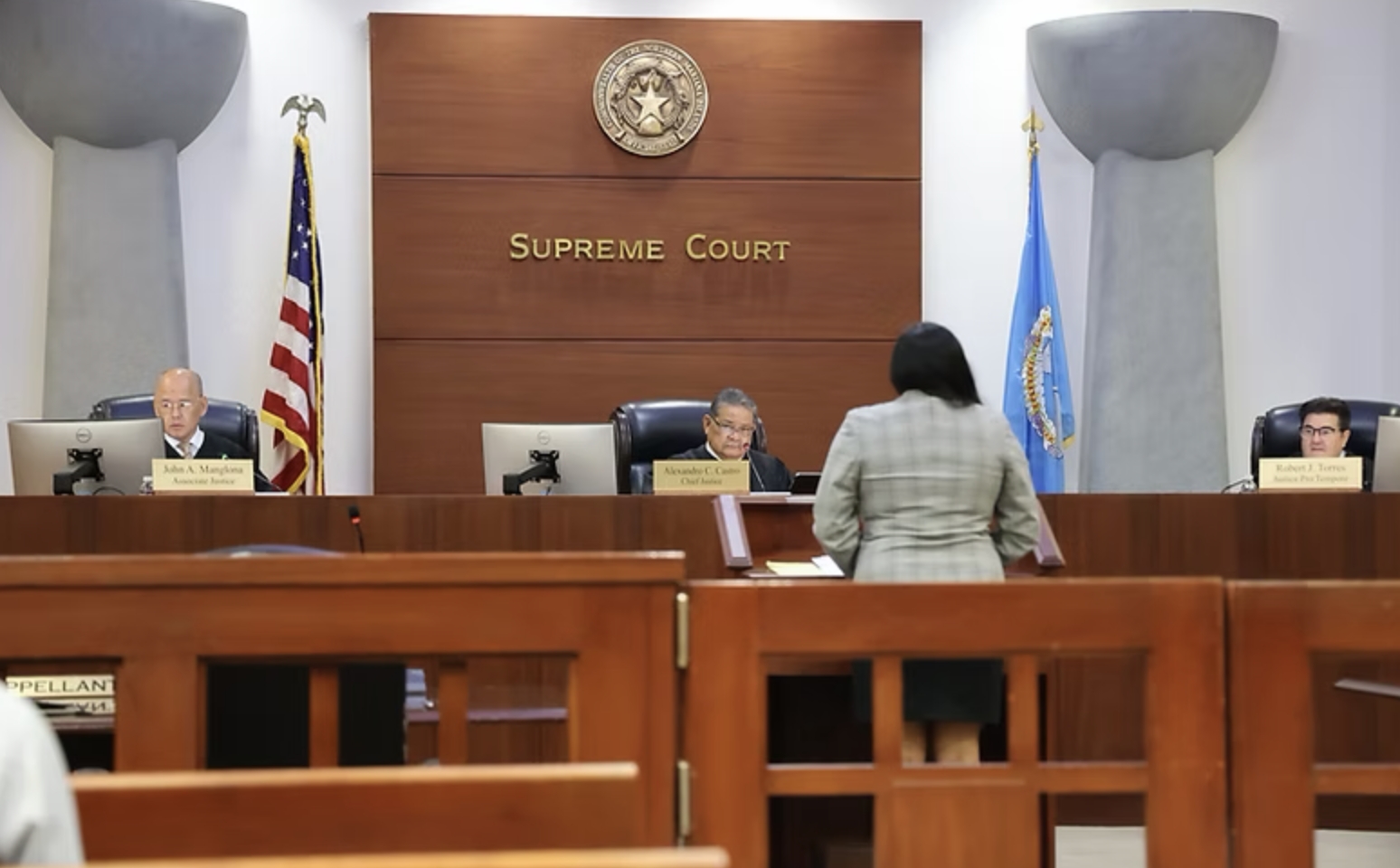
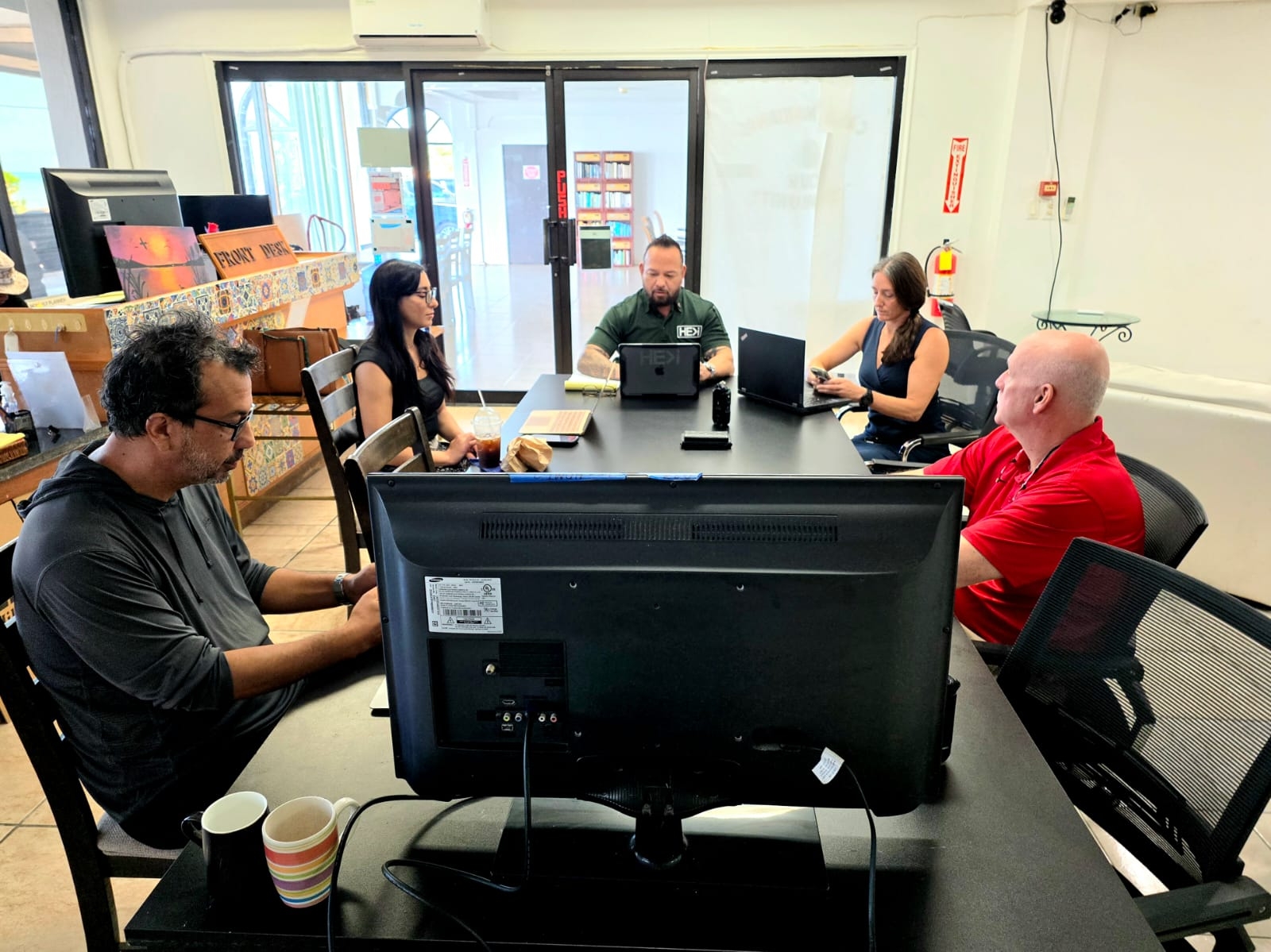
Another $5 million has been identified for possible appropriation on top of the $7.2 million already certified by the Department of Finance to address the CNMI government's funding shortfalls in fiscal year 2027.
Legislative fiscal analyst Dave Demapan disclosed this during the Nov. 15 continuation of the Senate Fiscal Affairs Committee hearing that began last Nov. 13, saying a review of 50 revolving fund accounts yielded approximately $10 million, half of which could be made available for appropriation under Public Law 24-40.
However, Finance would need about a week and a half to complete the certification of the additional funds.
“I just want to clarify that the $7.2 million is a different funding source, and it's been certified,” Demapan said.
If certified and appropriated, the additional funding could help extend financial relief to government employees, retirees, and government agencies beyond what is covered by the $7.2-million appropriation measure passed by the House of Representatives.
Demapan explained that the $3 million earmarked for the restoration of retirees’ 25% pension payments would cover only three months, from October to December, with approximately $11.7 million needed for the entire fiscal year.
Meanwhile, the $1.38 million intended to restore government employees’ work hours to 60 per pay period is equivalent to one quarter of funding, while the $1.9 million for the Public School System would cover only one quarter of advance funding.
Senate Fiscal Affairs Committee chair Sen. Jude U. Hofschneider expressed disappointment that Finance could not immediately certify the additional funds, saying the Senate wanted to extend financial relief beyond the first quarter.
Hofschneider also took issue with Finance's continued reliance on two financial management systems, Munis and J.D. Edwards, nearly six years after the introduction of the former.
“And yes, the financial management system of the Department of Finance is very disorganized,” he said.
Sen. Francisco Q. Cruz similarly questioned why it would take more than a week to certify money in revolving fund accounts, noting that these are existing funds and not revenue projections.
Sen. Manny Gregory T. Castro, for his part, called for improvements in the fund certification process, saying access to real-time financial information would allow lawmakers to better plan and avoid recurring funding shortfalls.
Hofschneider also emphasized that the Senate's scrutiny of the $7.2-million funding package was not politically motivated.
“We are basically doing our due diligence here, and I'm glad that we have that understanding with the Secretary of Finance,” he said.
Senate President Karl King-Nabors, meanwhile, cautioned that tapping revolving fund accounts is only a temporary solution to the CNMI government's financial woes and reiterated the need to right-size the government.
“Every dollar we find is great, but the problem is not being solved,” he said.
Other issues raised during the two hearings included whether government employees could be paid retroactively for hours they did not work under the 53-hour work schedule and concerns over tapping the entire $3.2 million in identified tobacco settlement funds despite the 50% provision for revolving funds under the FY 2027 budget law. Senate legal counsel, however, explained that a notwithstanding clause in the House bill would allow the appropriation of the full amount if enacted.
Senators also discussed restoring the 80-hour work schedule of government personnel involved in revenue collection, stepping up tax enforcement, incentivizing businesses to pay their taxes on time, and safeguarding funds earmarked for long-delayed infrastructure projects.
Share this article: